




What is the difference between tungsten copper alloy and pure copper?
 Sep 14, 2026|
What is the difference between tungsten copper alloy and pure copper?
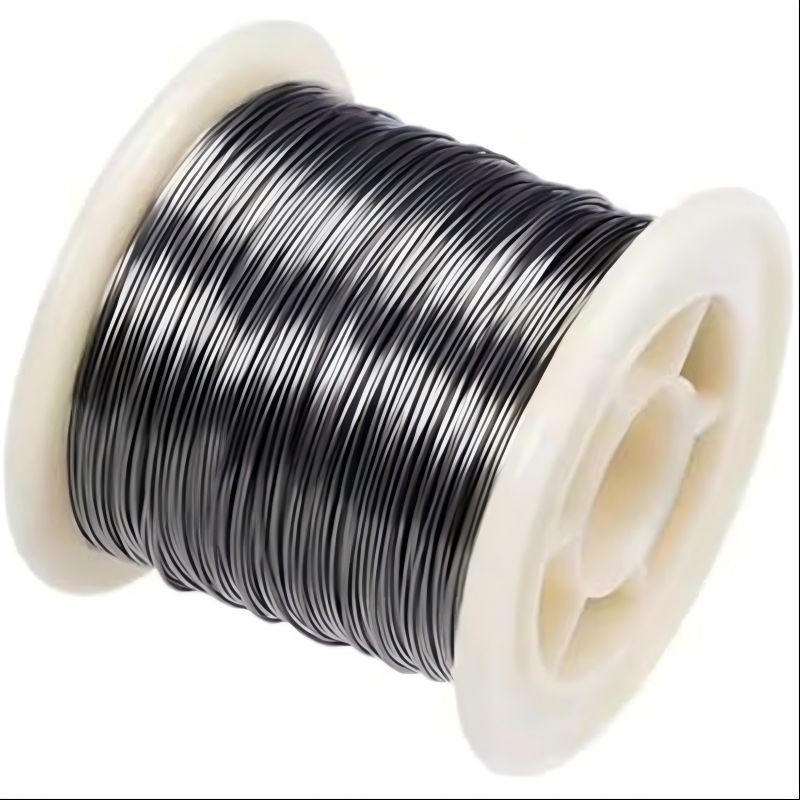
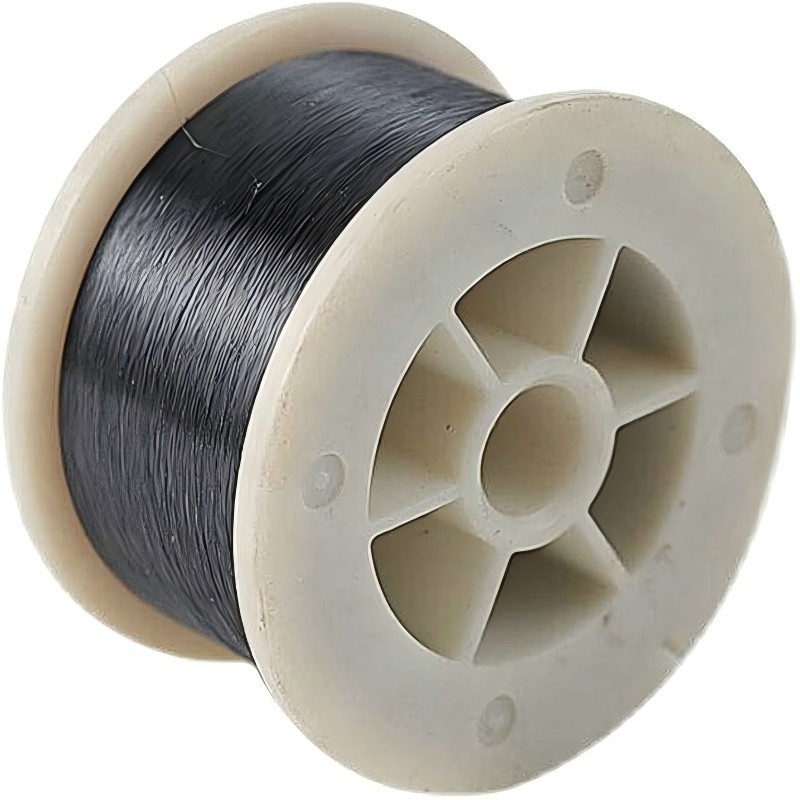
As a supplier of tungsten copper alloy, I often encounter customers who are confused about the differences between tungsten copper alloy and pure copper. In this blog, I will delve into the key disparities between these two materials, which will help you make more informed decisions when choosing materials for your specific applications.
1. Composition and Structure
Pure copper, as the name suggests, is composed almost entirely of copper atoms. It has a face - centered cubic (FCC) crystal structure, which gives it excellent ductility and electrical conductivity. The high purity of copper means that there are very few impurities, which contribute to its consistent and predictable properties.
On the other hand, tungsten copper alloy is a composite material made by combining tungsten and copper. Tungsten has a body - centered cubic (BCC) crystal structure, and copper has an FCC structure. The tungsten particles are dispersed in a copper matrix. The proportion of tungsten and copper can be adjusted according to different application requirements. For example, in some applications, a higher tungsten content may be required to enhance certain properties, while in others, a relatively higher copper content is preferred.
2. Physical Properties
Density
Tungsten is a very dense metal, with a density of about 19.3 g/cm³, while copper has a density of about 8.96 g/cm³. As a result, tungsten copper alloy generally has a higher density than pure copper. The density of tungsten copper alloy can be adjusted by changing the proportion of tungsten and copper. For applications where high density is required, such as counterweights or radiation shielding, tungsten copper alloy is a better choice.
Melting Point
Pure copper has a melting point of approximately 1084.62 °C. Tungsten, however, has an extremely high melting point of about 3422 °C. Tungsten copper alloy has a melting point that is between that of pure copper and pure tungsten. The presence of tungsten in the alloy significantly increases its melting point compared to pure copper. This property makes tungsten copper alloy suitable for high - temperature applications, such as electrical contacts in high - power electrical equipment.
Thermal Conductivity
Both pure copper and tungsten copper alloy have good thermal conductivity. Pure copper is well - known for its high thermal conductivity, which is about 401 W/(m·K). Tungsten copper alloy also has relatively high thermal conductivity, although it is slightly lower than that of pure copper. The thermal conductivity of tungsten copper alloy can be adjusted by changing the composition. In applications where heat dissipation is crucial, such as heat sinks in electronic devices, both materials can be used, but the choice depends on other factors such as mechanical strength and cost.
Electrical Conductivity
Pure copper is one of the best conductors of electricity, with an electrical conductivity of about 58 × 10⁶ S/m. Tungsten copper alloy also has good electrical conductivity, but it is lower than that of pure copper. The electrical conductivity of tungsten copper alloy is affected by the proportion of tungsten. As the tungsten content increases, the electrical conductivity of the alloy decreases. However, in some applications where both electrical conductivity and high - temperature resistance are required, tungsten copper alloy is a more suitable option than pure copper.
3. Mechanical Properties
Hardness
Tungsten is a very hard metal, while copper is relatively soft. Tungsten copper alloy is harder than pure copper due to the presence of tungsten particles. The hardness of tungsten copper alloy can be adjusted by changing the tungsten content. In applications where wear resistance is required, such as electrodes for electrical discharge machining (EDM), tungsten copper alloy is often used because of its higher hardness.
Strength
Tungsten copper alloy generally has higher strength than pure copper. The tungsten particles in the alloy act as reinforcement, improving the overall strength of the material. This makes tungsten copper alloy suitable for applications where high mechanical strength is required, such as in the aerospace and automotive industries.
Ductility
Pure copper is highly ductile, which means it can be easily drawn into wires or formed into various shapes. Tungsten copper alloy has lower ductility compared to pure copper because of the presence of the hard tungsten particles. However, the ductility of tungsten copper alloy can still be sufficient for many applications, and it can be further improved through proper processing techniques.
4. Applications
Pure Copper Applications
- Electrical Wiring: Pure copper is widely used in electrical wiring due to its excellent electrical conductivity. It is used in power transmission lines, household electrical wiring, and electronic circuits.
- Heat Exchangers: Its high thermal conductivity makes pure copper an ideal material for heat exchangers in air - conditioning systems, refrigerators, and industrial cooling equipment.
- Coins and Jewelry: Copper's attractive color and malleability make it suitable for making coins and jewelry.
Tungsten Copper Alloy Applications
- Electrical Contacts: Tungsten copper alloy is commonly used in electrical contacts in high - power electrical equipment. Its high melting point and good electrical conductivity make it suitable for handling high - current and high - voltage applications.
- Heat Sinks: In electronic devices, especially high - power devices such as power amplifiers and microprocessors, tungsten copper alloy heat sinks can effectively dissipate heat due to their relatively high thermal conductivity and high - temperature resistance.
- Aerospace and Defense: Tungsten copper alloy is used in aerospace and defense applications, such as rocket nozzles and armor - piercing projectiles, due to its high density, strength, and high - temperature resistance.
If you are interested in our tungsten copper alloy products or need more information about the differences between tungsten copper alloy and pure copper for your specific application, you can explore more related products on our website. For example, we also offer Titanium Parts For Chemical Industry, Ni - Ti Alloy Bar, and Ultra Fine Tungsten Wire.
We are always ready to provide you with professional advice and high - quality products. If you have any procurement needs, please feel free to contact us for further discussion. We look forward to working with you to find the most suitable material solutions for your projects.
References
- ASM Handbook Committee. (2000). ASM Handbook, Volume 2: Properties and Selection: Nonferrous Alloys and Special - Purpose Materials. ASM International.
- Callister, W. D., & Rethwisch, D. G. (2014). Materials Science and Engineering: An Introduction. Wiley.