Basic Information About Molybdenum Alloys
 Mar 18, 2026|
 Molybdenum alloys are non-ferrous alloys composed of molybdenum as the base metal and the addition of other elements. The main alloying elements include titanium, zirconium, hafnium, tungsten, and rare earth elements. Titanium, zirconium, and hafnium not only provide solid solution strengthening for molybdenum alloys, maintaining their low-temperature plasticity, but also form stable, dispersed carbide phases, improving the alloy's strength and recrystallization temperature. Molybdenum alloys have good thermal and electrical conductivity and a low coefficient of thermal expansion. They exhibit high strength at high temperatures (1100–1650℃) and are easier to process than tungsten.
Molybdenum alloys also possess high density, high melting point, low vapor pressure, low thermal expansion, and enhanced thermal strength, toughness, and corrosion resistance. They can be used as grids and anodes in electron tubes, support materials for electric light sources, and for manufacturing die-casting and extrusion dies, as well as spacecraft components. However, the development of molybdenum alloys is limited by their low-temperature brittleness and weld brittleness, and their susceptibility to high-temperature oxidation (i.e., poor oxidation resistance).
Industrially produced molybdenum alloys include molybdenum-titanium-zirconium alloys, molybdenum-tungsten alloys, and molybdenum-rare earth alloys, with the first type being the most widely used. Based on the alloying elements, molybdenum alloys can be classified into binary molybdenum alloys, multi-element molybdenum alloys, doped molybdenum alloys, and rare earth molybdenum alloys. Based on the strengthening type, they can be classified into alloys strengthened by solid solution, alloys strengthened by dispersion, alloys strengthened by doping, and alloys strengthened by a combination of elements.
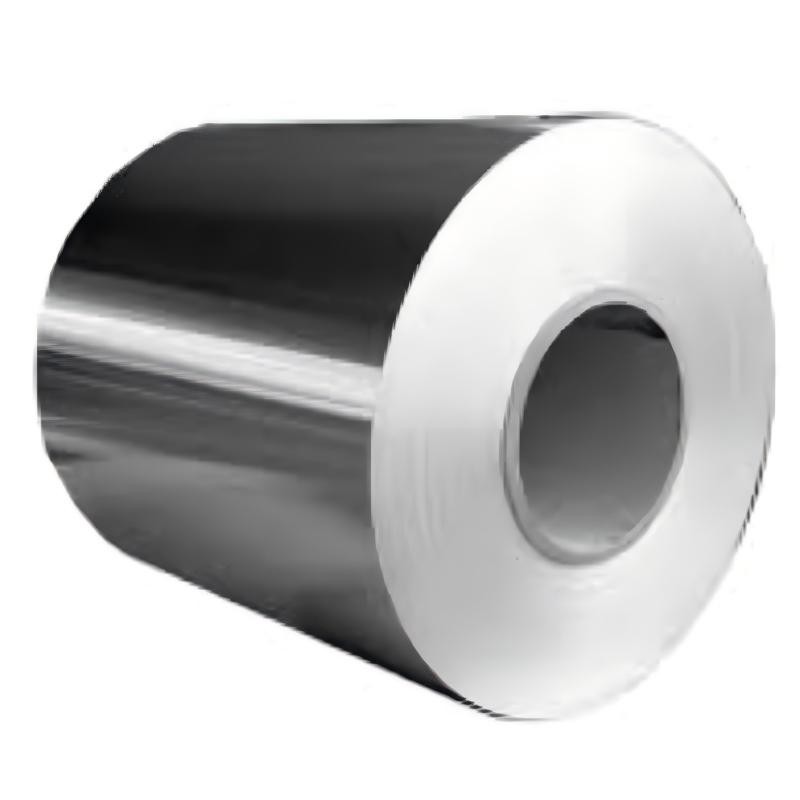
The main strengthening methods for molybdenum alloys are solid solution strengthening, precipitation strengthening, and work hardening. Through plastic processing, molybdenum alloy plates, strips, foils, tubes, bars, wires, and profiles can be produced, which can also improve their strength and low-temperature plasticity.
Among refractory metals, molybdenum and its alloys have good thermal and electrical conductivity and a low coefficient of thermal expansion (similar to that of glass used in electron tubes). They also exhibit high strength at high temperatures (1100–1650℃) and are easier to process than tungsten. Therefore, they are used in the manufacture of electron tubes (grids and anodes), electric light sources (support materials), metalworking tools (die-casting and extrusion dies and perforated mandrels), and in the aerospace industry. Molybdenum is resistant to corrosion from molten glass, and its oxides do not contaminate the glass. Since 1943, molybdenum has been used in the glass industry as heating electrodes. Mo-30W alloy, with its excellent resistance to molten zinc corrosion, has been successfully applied in the zinc smelting industry. Molybdenum is also used in the manufacture of components such as heat exchangers and valves in sulfuric acid production.