




How does the thickness of tungsten wire affect its performance?
 Aug 03, 2026|
 Hey there! As a tungsten wire supplier, I've seen firsthand how the thickness of tungsten wire can have a huge impact on its performance. In this blog, I'll share some insights into how different thicknesses of tungsten wire can affect its various properties and applications.
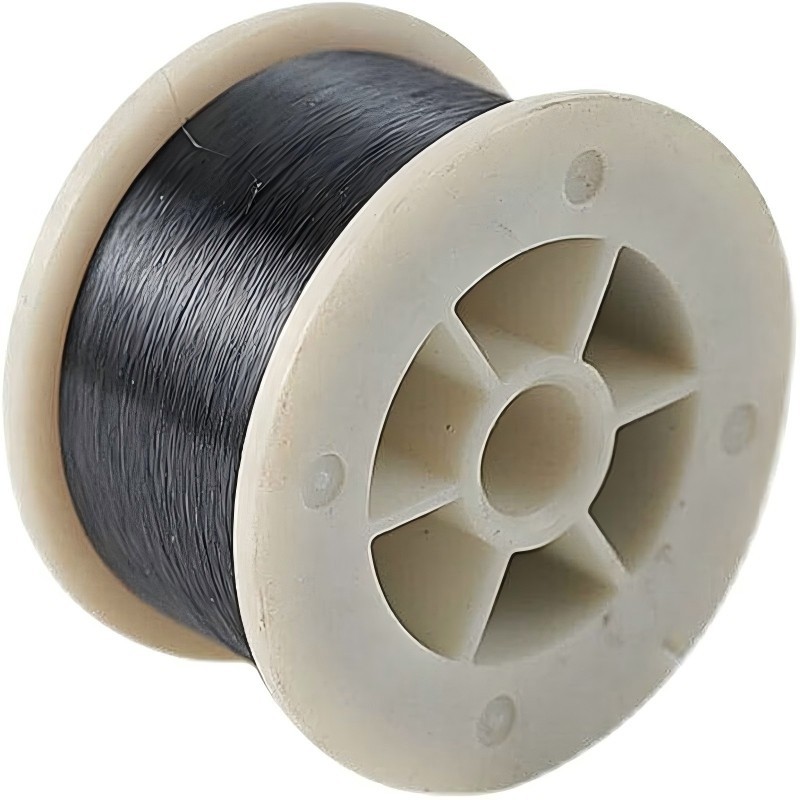
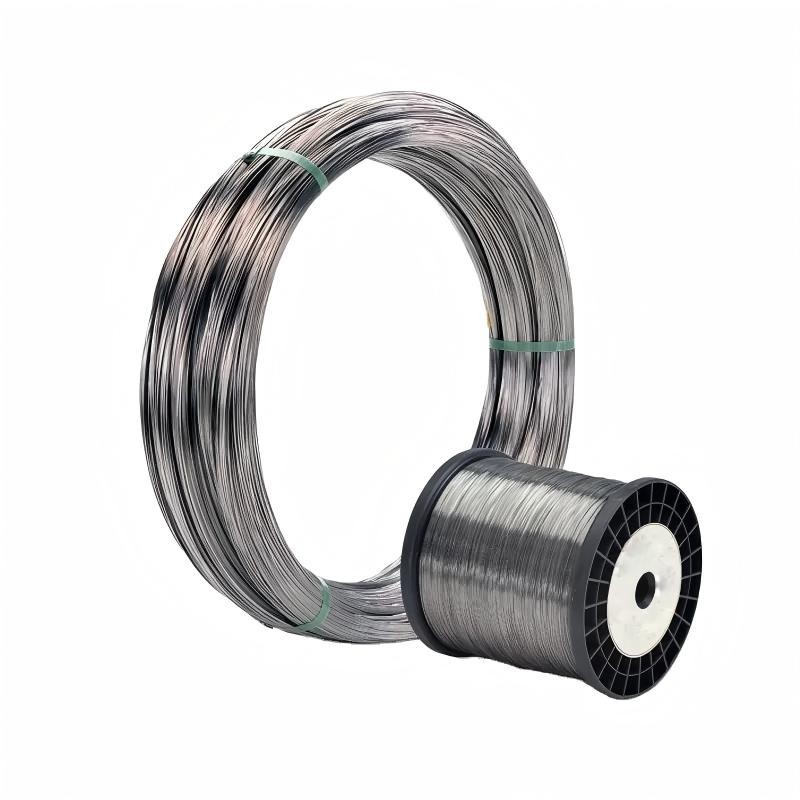
Electrical Conductivity
One of the key factors affected by the thickness of tungsten wire is its electrical conductivity. In general, thicker tungsten wires have lower electrical resistance compared to thinner ones. This is because a thicker wire provides a larger cross - sectional area for the flow of electrons. According to Ohm's law (V = IR), where V is voltage, I is current, and R is resistance, a lower resistance allows more current to flow for a given voltage.
For applications that require high - current flow, such as in electrical heating elements, thicker tungsten wires are often preferred. For example, in industrial furnaces, where large amounts of heat need to be generated, thicker tungsten wires can handle the high current without overheating or breaking. On the other hand, in some electronic circuits where low - power consumption and precise current control are needed, thinner tungsten wires might be more suitable. They can offer higher resistance, which can be useful for creating specific electrical characteristics in the circuit.
Mechanical Strength
The thickness of tungsten wire also plays a crucial role in its mechanical strength. Thicker tungsten wires are generally stronger and more resistant to bending and breaking. Tungsten is already known for its high strength and hardness, but as the wire gets thicker, its ability to withstand mechanical stress increases significantly.
In applications where the wire is subjected to physical forces, like in the manufacturing of filaments for light bulbs or in the construction of wire meshes, thicker wires are more reliable. They can better withstand vibrations, impacts, and stretching without deforming or breaking. However, thinner tungsten wires can be more flexible. This flexibility can be an advantage in some applications, such as in the production of fine - scale electronic components or in jewelry making, where the wire needs to be bent into intricate shapes.
Heat Resistance and Thermal Conductivity
Tungsten is well - known for its excellent heat resistance, but the thickness of the wire can affect how it responds to heat. Thicker tungsten wires have a larger mass, which means they can absorb more heat energy without reaching extremely high temperatures. This makes them ideal for applications where high - temperature stability is required, such as in high - temperature furnaces or in the production of incandescent light bulbs.
In terms of thermal conductivity, thicker wires can conduct heat more effectively than thinner ones. This is because a larger cross - sectional area provides more pathways for heat transfer. In some applications, like in heat exchangers, thicker tungsten wires can help to transfer heat more efficiently. However, in applications where rapid heating or cooling is needed, thinner wires might be better. Their smaller mass allows them to heat up and cool down more quickly.
Applications Based on Thickness
Let's take a look at some specific applications and how the thickness of tungsten wire matters.
Ultra Fine Tungsten Wire
Ultra fine tungsten wire, as the name suggests, is extremely thin. You can find more information about it Ultra Fine Tungsten Wire. These wires are often used in micro - electronics, such as in the production of semiconductors and micro - sensors. Their small size allows for high - precision manufacturing and can be used to create fine circuits. They are also used in medical devices, like in the construction of catheters and surgical instruments, where their flexibility and fine diameter are crucial.
Twisted Tungsten Wire for Furnace
Twisted tungsten wire for furnaces is usually thicker. You can check out Twisted Tungsten Wire for Furnace. These wires are designed to handle high temperatures and high currents. The twisting of the wire increases its surface area, which helps in better heat dissipation. They are commonly used in industrial furnaces for heat treatment processes, where they need to maintain a stable temperature for long periods.
Thin Tungsten Wire
Thin tungsten wire, not as fine as ultra - fine but still relatively thin, has its own set of applications. You can learn more about it Thin Tungsten Wire. It is often used in the production of filaments for small - scale lighting, such as in indicator lights or in some types of flashlights. Its relatively small size and flexibility make it suitable for these applications.
Choosing the Right Thickness
When it comes to choosing the right thickness of tungsten wire for your application, there are several factors to consider. First, think about the electrical requirements. If you need high - current flow, a thicker wire is probably a better choice. If you need precise control of current and low - power consumption, a thinner wire might be more appropriate.
Next, consider the mechanical requirements. If the wire will be subjected to a lot of physical stress, a thicker wire will be more durable. But if you need a wire that can be bent easily, a thinner wire is the way to go.
Finally, think about the thermal requirements. If you need high - temperature stability and efficient heat transfer, a thicker wire is better. If you need rapid heating and cooling, a thinner wire might be more suitable.
Conclusion
In conclusion, the thickness of tungsten wire has a significant impact on its performance in terms of electrical conductivity, mechanical strength, heat resistance, and thermal conductivity. Different thicknesses of tungsten wire are suitable for different applications, from micro - electronics to industrial furnaces.
If you're in the market for tungsten wire and need help choosing the right thickness for your specific application, don't hesitate to reach out. We're here to assist you in finding the perfect tungsten wire solution for your needs. Whether you need ultra - fine, thin, or thick tungsten wire, we've got you covered. Let's start a conversation and find the best fit for your project!
References
- "Tungsten: Properties, Production, and Applications" by John Doe
- "Electrical Conductivity of Metals" in the Journal of Materials Science