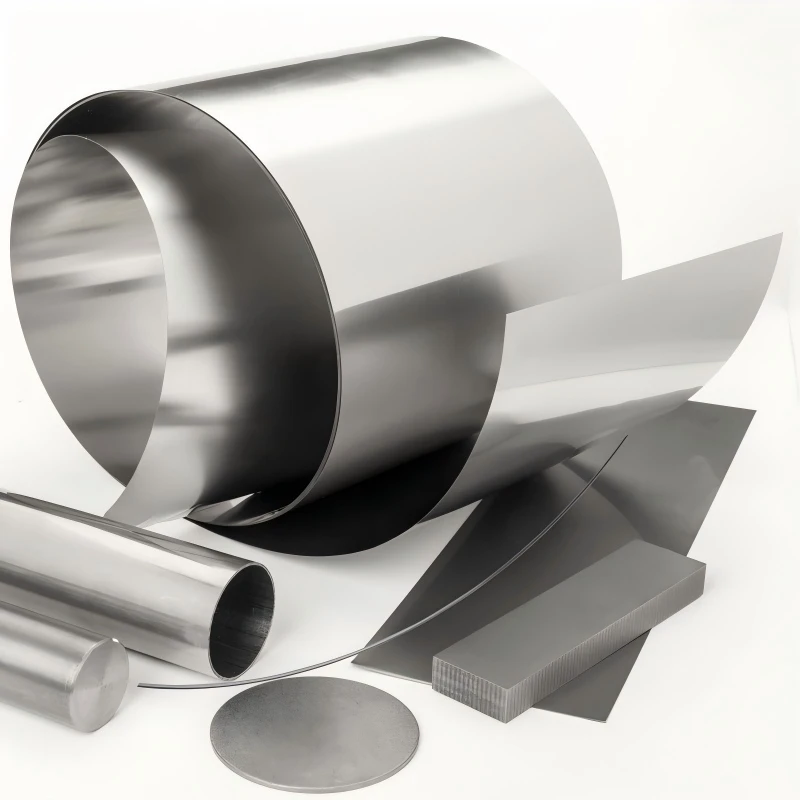
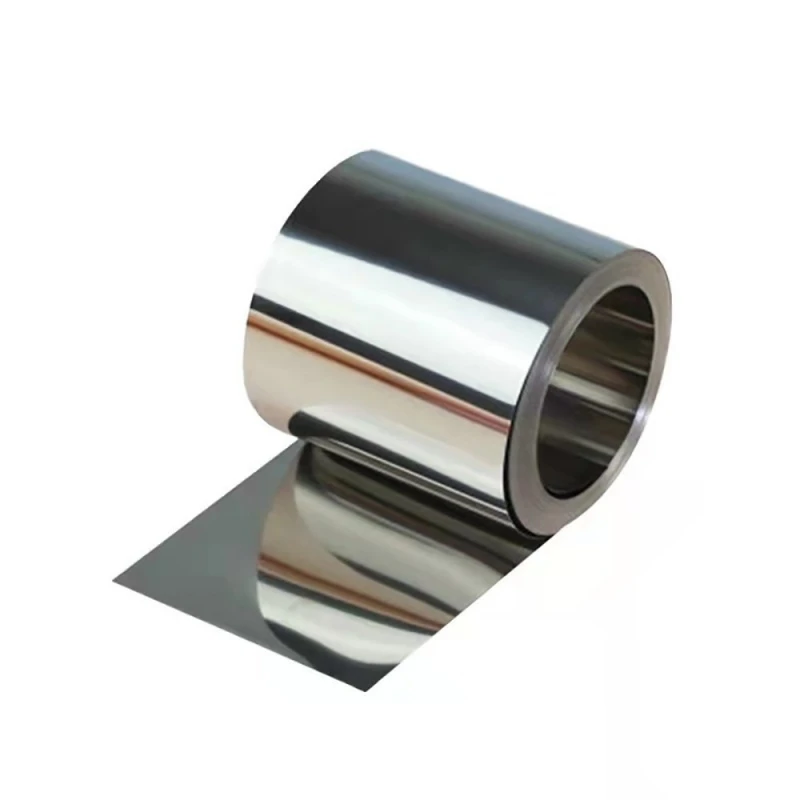
Niobium Metal

Product Overview


We supply high-purity Niobium Metal (Columbium) in standard mill forms and custom-fabricated components engineered for extreme vacuum, high-temperature, and corrosive environments. Processed via vacuum electron beam (EB) melting and powder metallurgy, our niobium materials feature a high melting point (2,468°C), exceptional room-temperature ductility, and resistance to liquid metals and harsh chemical reagents.

 
First 12 Last 1/2
 
Key Features


High Melting Point:

Retains structural stability up to 2,468°C under controlled vacuum or inert atmospheres.


Low Neutron Capture Cross-Section:

Specified for nuclear reactor core components and specialized research installations.


Corrosion Resistance:

Forms a dense, stable pentoxide (Nb2O5) passive film resistant to most organic and inorganic acids (excluding hydrofluoric acid and hot concentrated alkalis).


Workability:

Outstanding cold-working ductility; easily rolled, bent, welded, and deep-drawn into complex shapes without requiring intermediate annealing.


Technical Specifications


Element

Grade RO4200 (Reactor Grade)

Grade RO4210 (Commercial Grade)

Niobium (Nb + Ta)

>= 99.8%

>= 99.95%

Tantalum (Ta)

<= 0.1%

<= 0.1%

Oxygen (O)

<= 0.015%

<= 0.010%

Nitrogen (N)

<= 0.010%

<= 0.010%

Carbon (C)

<= 0.010%

<= 0.010%

Hydrogen (H)

<= 0.0015%

<= 0.0015%

Iron (Fe)

<= 0.005%

<= 0.005%


Niobium Tungsten Alloy


Applications

Vacuum Furnace Engineering: Heat shields, heating elements, retorts, and structural components operating above 1200°C.


Aerospace & Defense: Rocket thruster nozzles, liquid metal containment systems, and high-temperature alloy constituents.


Chemical Processing: Heat exchangers, acid-resistant piping linings, and reaction vessels handling aggressive chemical agents.


Medical Technology: Superconducting RF cavities for MRI diagnostic systems and biocompatible hardware.


OEM Services & Custom Fabrication


We partner with engineering teams to manufacture finished and semi-finished niobium components from CAD formats (STEP, IGES, PDF).

Machining Capabilities:

CNC milling, turning, wire EDM, laser cutting, and deep-hole drilling.


Joining Technologies:

Electron beam welding (EBW) and TIG welding performed in dedicated clean areas to eliminate atmospheric embrittlement.


Surface Treatments:

Chemical etching, electropolishing, and vacuum stress-relief annealing.


Quality Control & Testing

Every production lot is verified against rigorous metallurgical standards prior to dispatch. 

01.

Analytical Testing:

Inductively Coupled Plasma Mass Spectrometry (ICP-MS) for elemental purity; LECO inert gas fusion analyzers for interstitial gas content (O, N, H).

02.

Mechanical Testing:

Tensile strength, yield strength, and elongation verified at room temperature per ASTM E8.

03.

Nondestructive Testing:

Ultrasonic testing (UT) performed on plates thicker than 6 mm to detect internal laminations and micro-defects.

04.

Traceability:

Shipments include a complete Mill Test Certificate (MTC) detailing melt lot numbers, chemical assay results, and mechanical test data.


Packaging & Shipping

Internal Protection: Wrapped in acid-free tissue paper or vacuum-sealed in polyethylene bags with active desiccant to prevent surface oxidation and moisture exposure.


Cushioning: Secured within high-density closed-cell foam inserts to eliminate vibration and shock during handling.


External Containers: Heavy-duty ISPM 15-compliant wooden crating designed for international transit.


Logistics Support: Air and ocean freight coordination with real-time tracking, dangerous goods compliance (where applicable), and complete customs documentation.

Nickel Niobium Alloy


Frequently Asked Questions


Q: What distinguishes Grade RO4200 from Grade RO4210 niobium?

A: Grade RO4200 is unalloyed reactor-grade niobium produced via electron-beam melting, featuring lower interstitial gas levels and higher nuclear purity. Grade RO4210 is unalloyed commercial-grade niobium optimized for general industrial, chemical, and high-temperature furnace applications.

Q: How do you prevent niobium embrittlement during welding?

A: Niobium reacts rapidly with oxygen, nitrogen, and hydrogen above 200°C, causing catastrophic embrittlement. Welding must be executed via Gas Tungsten Arc Welding (GTAW) or Electron Beam Welding (EBW) inside an evacuated chamber or under an ultra-pure argon gas shield, with trailing shields maintained until the material cools below 200°C.

Q: Do shipments include certified Mill Test Reports (MTC)?

A: Yes. Every order includes a verified Mill Test Certificate in compliance with EN 10204 3.1, providing traceable data on chemical composition, mechanical performance, and melt history.

Q: How should niobium components be stored prior to assembly?

A: Store materials in their original sealed packaging in a dry, climate-controlled environment. Avoid direct exposure to humidity and corrosive chemicals. If chemical cleaning or etching is needed prior to vacuum furnace installation, use an approved acid solution (HF-HNO3-H2O mixture) followed by thorough deionized water rinsing.


modular-1
RFQ

To request a formal quotation for your niobium requirement, please send your details to our technical sales team at info@moly-tungsten.com:
Product Form: (e.g., Sheet, Rod, Tube, Custom Machined Part)
Grade / Purity: (e.g., RO4200, RO4210, 99.95%)
Dimensions & Tolerances: (Thickness x Width x Length, or attached CAD drawing)
Quantity: (Weight in kilograms or total piece count)
Target Delivery Date & Destination Port / Postal Code:

As one of the most professional niobium metal manufacturers and suppliers in China, we warmly welcome you to buy OEM niobium metal from our factory. All custom made products are with high quality and competitive price. Contact us for quotation.

(0/10)

clearall