
Bend Insensitive Multimode Fiber
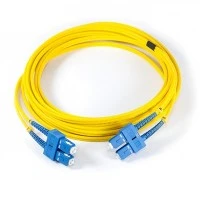
Product Description Bend Insensitive Multimode Fiber is designed for short-distance, high-bandwidth optical networks where limited space can make fiber bending difficult to avoid. Unlike conventional multimode fiber, its optimized core and surrounding refractive-index structure help keep optical...

- Product Introduction
Bend Insensitive Multimode Fiber | China Super Tech
Bend Insensitive Multimode Fiber
Designed for short-reach optical links where cable routing space is limited, bend insensitive multimode fiber helps reduce additional optical loss under specified bending conditions. OM3, OM4, and OM5 configurations can be selected according to transmission speed, link distance, transceiver compatibility, and cable construction.

When Does Bend Performance Matter?
In high-density optical installations, available routing space can become a limiting factor. Short fiber paths around switches, patch panels, server equipment, and rack hardware may introduce bends that were not part of the original cable layout.
Bend-optimized multimode fiber is intended for these conditions. Its optical design is developed to maintain better light confinement when the fiber is curved, helping limit additional macrobending loss under defined test conditions.
Dense Routing
Suitable for compact routing paths around racks, patch panels, cabinets, switches, and network equipment.
Short-Reach Links
OM3, OM4, and OM5 configurations can be selected for compatible short-reach optical network architectures.
Installation Flexibility
Improved bend performance can help reduce the impact of unavoidable routing bends while the specified bend radius is respected.
OM3 vs OM4 vs OM5
Select the fiber according to the complete link design: transceiver, bandwidth, transmission distance, wavelength, and future upgrade requirements.
| Selection Factor | OM3 | OM4 | OM5 |
|---|---|---|---|
| Core / Cladding | 50/125 μm | 50/125 μm | 50/125 μm |
| Application Focus | Short-reach high-speed links | Higher-bandwidth short-reach links | Wideband multimode applications |
| Common Wavelength | 850 nm | 850 nm | 850 nm and selected wideband applications |
| Main Consideration | Compatibility and project cost | Bandwidth margin | Wideband architecture and transceiver compatibility |
Bend Performance Under Defined Conditions
Macrobending Loss
Bending can cause optical modes to leak from the guided region. Fiber design influences the amount of additional loss generated during bending.
Bend Radius Still Matters
Bend-insensitive does not mean unlimited bending capability. The applicable minimum bend radius depends on the selected construction and test conditions.
Project-Specific Evaluation
For demanding applications, wavelength, bend radius, number of turns, and acceptable additional loss should be confirmed before production.
Bend Insensitive Multimode Fiber Supply
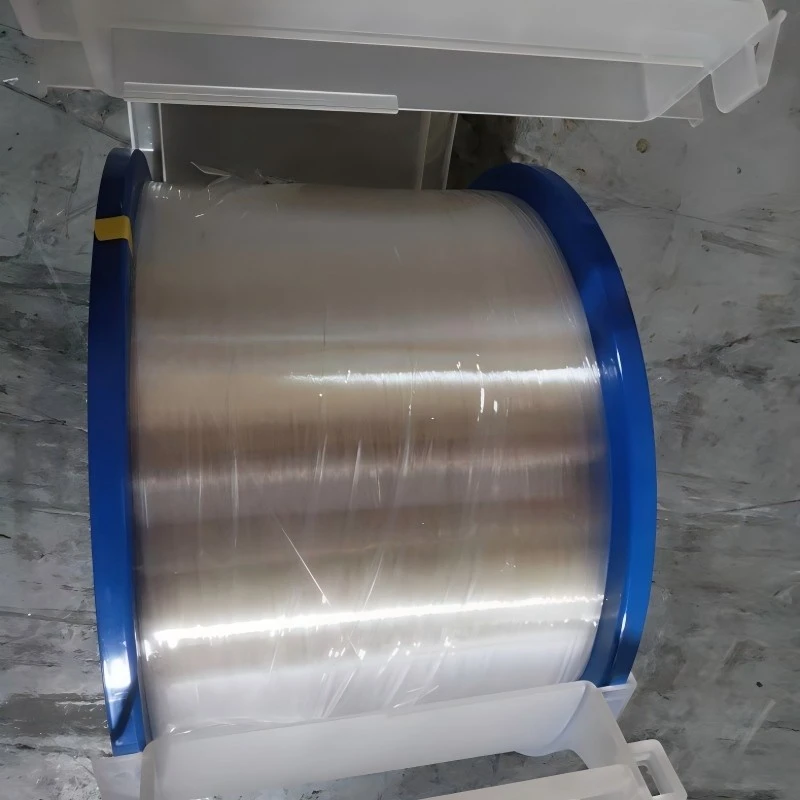
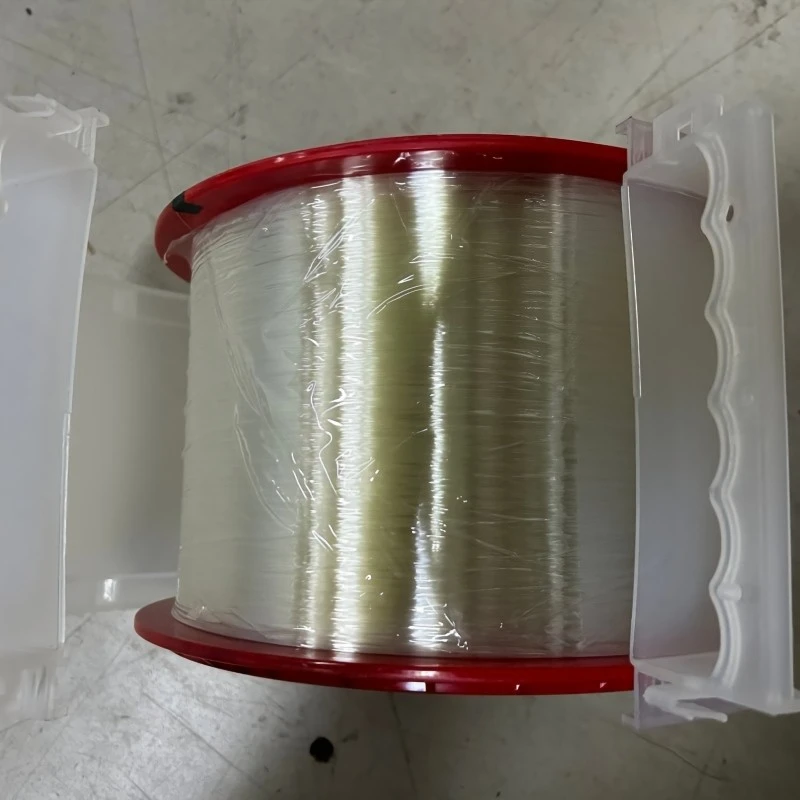
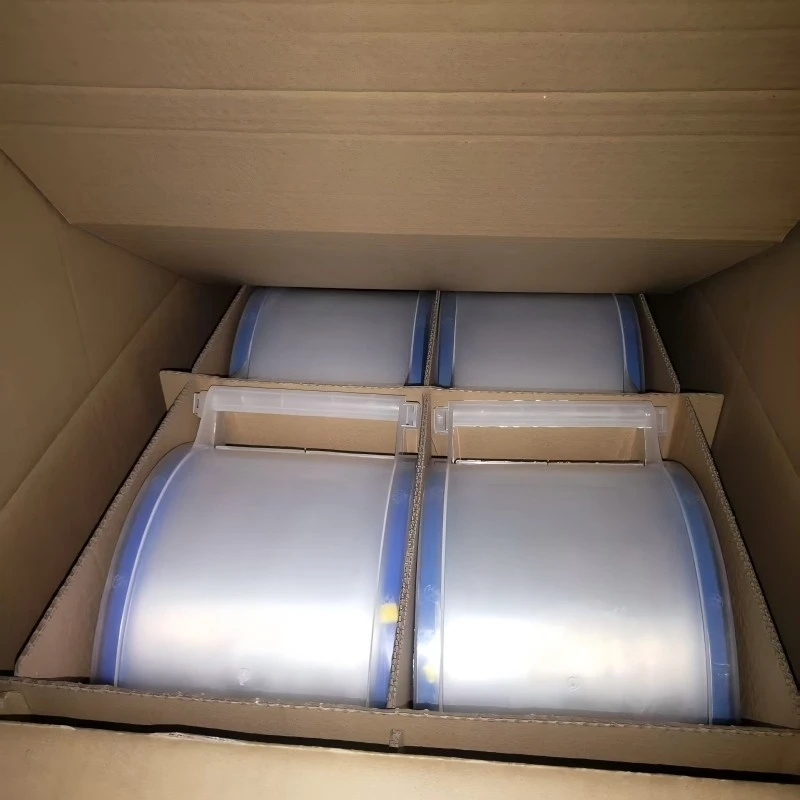
Fiber can be supplied on spools and prepared according to optical cable manufacturing, fiber assembly, and bulk procurement requirements.

Fiber Spool Supply
Suitable for optical cable manufacturers, fiber assembly suppliers, and bulk purchasing requirements.
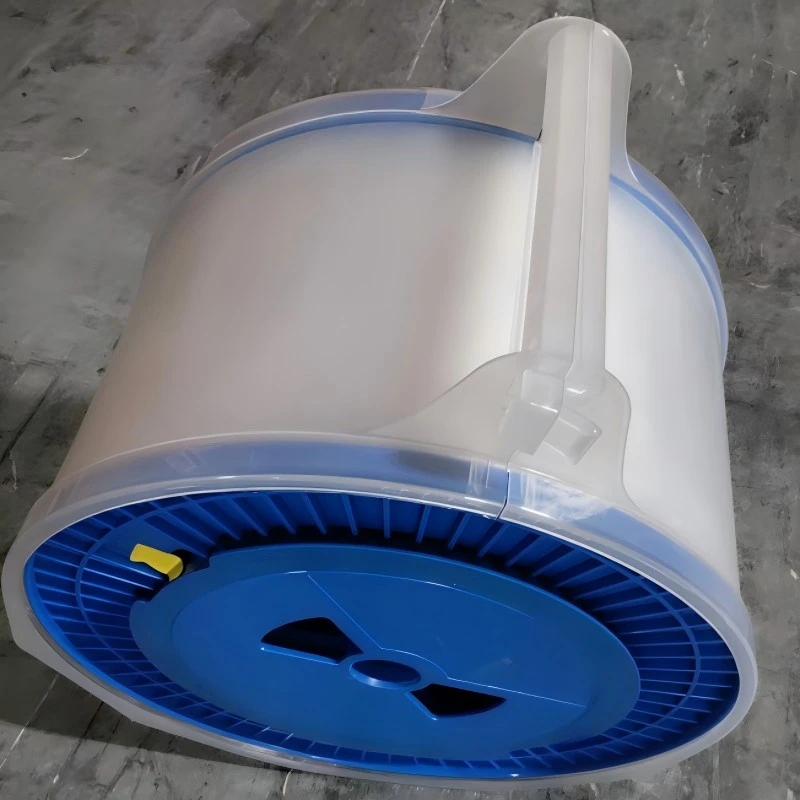
Production-Ready Fiber
Fiber length, spool configuration, identification, and packaging can be discussed according to the downstream production process.
Product Specifications
| Parameter | Specification |
|---|---|
| Product Type | Bend Insensitive Multimode Fiber |
| Fiber Category | OM3 / OM4 / OM5 according to selected configuration |
| Core Diameter | 50 μm |
| Cladding Diameter | 125 μm |
| Coating Diameter | According to selected fiber construction |
| Operating Wavelength | 850 / 1300 nm |
| Attenuation | According to selected fiber grade and specification |
| Effective Modal Bandwidth | According to selected OM grade |
| Bend Performance | Dependent on fiber grade and defined test conditions |
| Fiber Length | Customized |
| Packaging | Standard spool or customized packaging |
Where Bend Insensitive Multimode Fiber Fits

Short optical connections between switches, servers, patch panels, and compatible equipment.
For environments where multiple optical connections share limited routing space.
OM3 and OM4 configurations can be considered for compatible high-speed multimode links.
Useful where compact patching layouts can create tighter routing conditions.
Available for cable manufacturers and fiber assembly suppliers requiring defined fiber specifications.
Six Parameters to Confirm Before Procurement
01. OM Grade
OM3, OM4, or OM5 according to the network architecture.
02. Transceiver
Confirm the multimode fiber category supported by the optical transceiver.
03. Wavelength
Confirm the operating wavelength required by the transmission system.
04. Link Distance
Verify the required transmission distance.
05. Bend Condition
Provide the minimum bend radius or actual routing condition if known.
06. Cable Construction
Confirm coating, stripping, splicing, assembly, and packaging requirements.
Need the Right Multimode Fiber for a Tight-Routing Application?
Send us your OM grade, wavelength, target speed, link distance, bend radius, fiber length, and quantity. We can help confirm the appropriate fiber specification.
Request a Quote Request Technical SupportFrequently Asked Questions
Is bend-insensitive multimode fiber the same as G.657 fiber?No. G.657 is associated with bend-insensitive single-mode fiber. Multimode products are generally specified according to categories such as OM3, OM4, and OM5.
What is the difference between standard multimode fiber and bend-insensitive multimode fiber?The key difference is the optical design used to improve performance under bending conditions and reduce additional macrobending loss under defined conditions.
Should I choose OM3, OM4, or OM5?The choice depends on your transceiver, speed, link distance, bandwidth, wavelength, and network architecture.
Does bend-insensitive mean the fiber can be bent without limitation?No. The applicable minimum bend radius must still be respected during cable manufacturing and installation.
Can you provide samples?Sample availability can be discussed according to the required fiber grade, length, packaging, and project requirements.
Hot Tags: bend insensitive multimode fiber, China bend insensitive multimode fiber manufacturers, suppliers, factory