




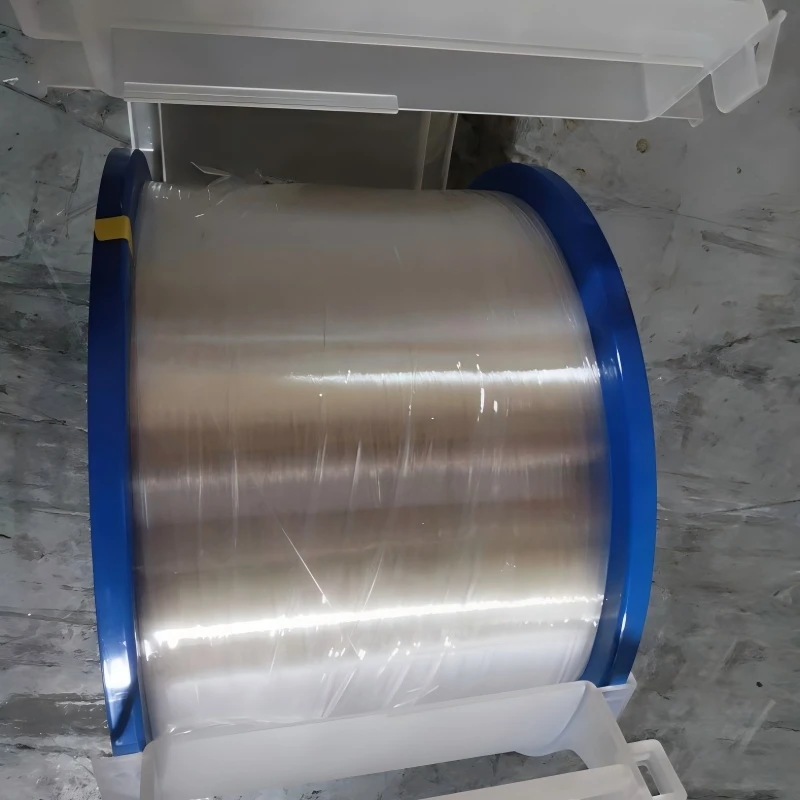

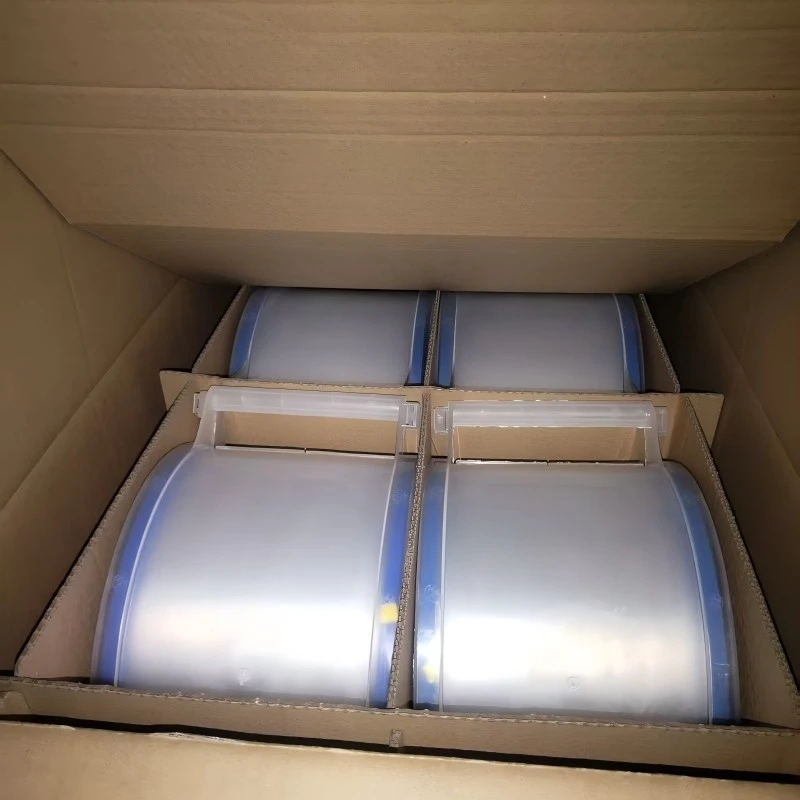
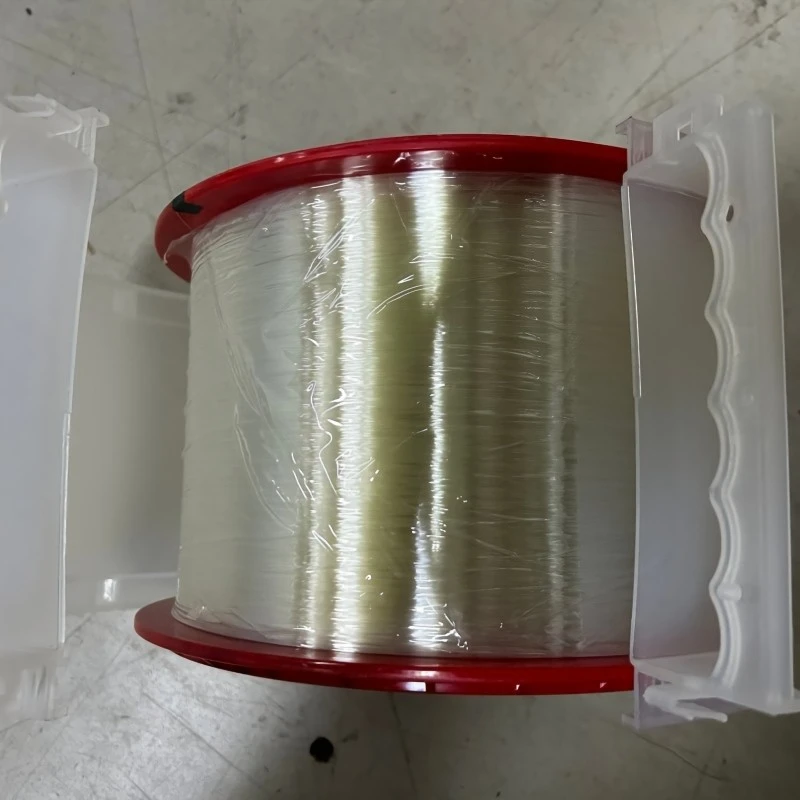
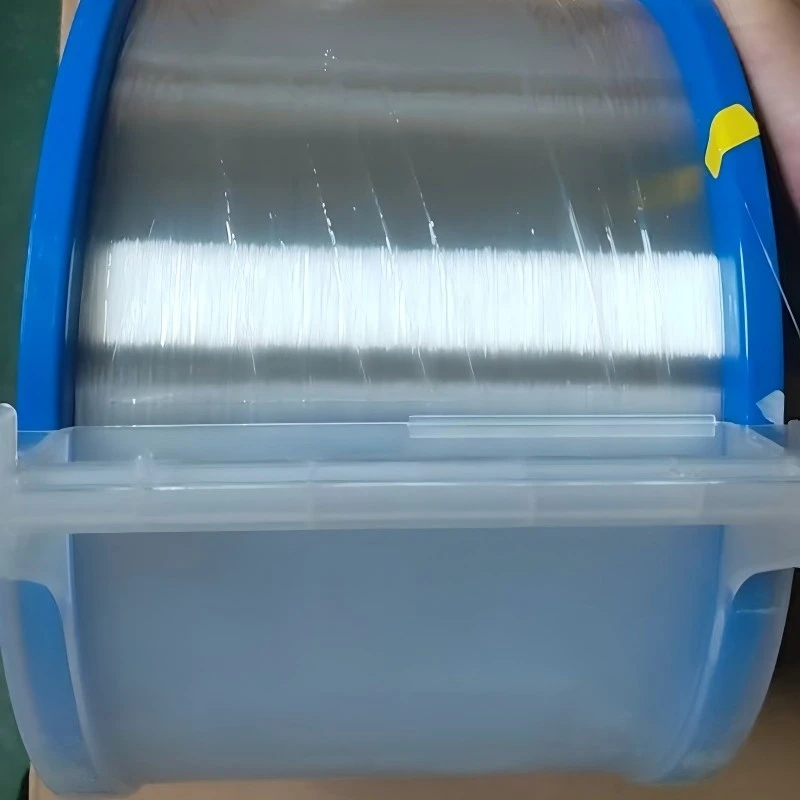
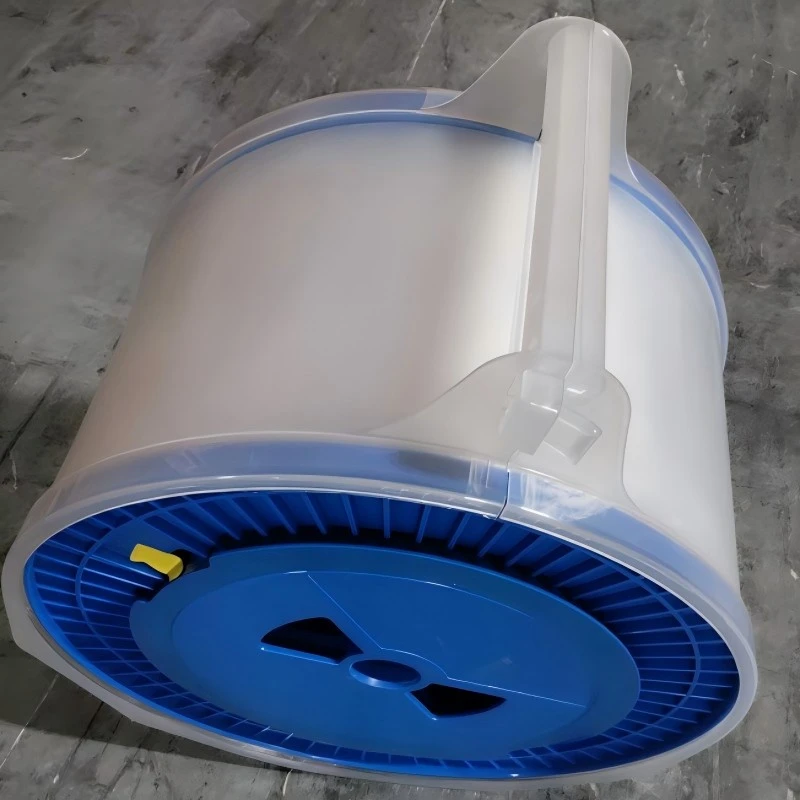
Bend Insensitive Optical Fiber
Products Description Bend Insensitive Optical Fiber is designed for communication networks where fiber cables must be routed through tight spaces or around sharp corners. Its optimized refractive-index profile reduces bending-induced optical loss, helping maintain stable signal transmission when...

- Product Introduction
Bend Insensitive Optical Fiber
G.657 Single-Mode Fiber for Space-Constrained Fiber Routing

Fiber routing becomes more demanding as communication equipment, distribution enclosures and indoor cable systems become smaller. When a cable has to turn through a restricted space, conventional single-mode fiber may experience additional attenuation if the bend condition is not properly controlled.
China Super Tech supplies bend insensitive optical fiber based on the ITU-T G.657 family for applications that require greater routing flexibility. Available G.657 options allow cable manufacturers and network integrators to select a fiber according to the actual installation radius rather than relying on a general-purpose specification.
Designed Around Real Fiber Routing Problems
In many cable projects, the optical specification is only part of the challenge. The physical installation path can determine whether the selected fiber is practical to use.
Limited Installation Clearance
Small distribution boxes, indoor outlets and compact cable assemblies leave less room for maintaining a generous bend radius.
Loss During Tight Routing
A fiber that performs well under straight installation conditions may behave differently when routed around corners or stored inside a confined enclosure.
Wrong Grade Selection
Not every project needs the same bending specification. Selecting the fiber according to the actual installation radius can prevent unnecessary over-specification.
Which G.657 Option Fits Your Project?
The G.657 family contains different bend-performance categories. For Category A products, the selection should begin with the minimum design radius required by the cable or installation.

A suitable option when improved bending performance is required but the installation can still accommodate a moderate routing radius. It can be considered for access networks, indoor cabling and distribution applications where compatibility with conventional single-mode systems is important.
A stronger candidate when cable routing space is more restricted. Its lower minimum design radius makes it useful for compact indoor cable structures, dense fiber management and installations where tighter turns are unavoidable.
Technical Specifications
| Parameter | Specification |
|---|---|
| Fiber Type | Bend-performance-optimized single-mode optical fiber |
| Applicable Standard | ITU-T G.657 |
| Available Category | G.657.A1 / G.657.A2 |
| Fiber Compatibility | G.657.A category designed for compatibility with G.652.D transmission systems |
| Cladding Diameter | 125 μm nominal |
| Coating Diameter | Available according to product configuration |
| Operating Wavelength | Applicable specifications available across common single-mode operating bands |
| Parameter | Specification |
|---|---|
| Mode Field Diameter | Grade-dependent; detailed values available with the corresponding product datasheet |
| Attenuation | Controlled according to the selected fiber specification and operating wavelength |
| Chromatic Dispersion | According to the applicable G.657 product specification |
| Polarization Mode Dispersion | Controlled according to product specification |
| Cable Cut-off Wavelength | According to selected fiber configuration |
| G.657 Category | Minimum Design Radius | Typical Selection Logic |
|---|---|---|
| G.657.A1 | 10 mm | For installations requiring improved bend resistance with moderate routing constraints |
| G.657.A2 | 7.5 mm | For tighter cable routing and more compact installation environments |
Typical Application Areas
-

- FTTH / FTTx Networks - Useful where drop and access cables must pass through compact terminal points, indoor corners and customer-side routing spaces.
- Indoor Optical Cabling - Suitable for building interiors where conduits, wall outlets and distribution points can restrict the available routing radius.
- Compact Fiber Distribution Systems - Supports fiber organization in relatively small boxes and termination structures.
- High-Density Fiber Equipment - Can be considered for installations where limited equipment space makes fiber management more demanding.
- Access and Campus Networks - Applicable to short- and medium-reach communication links using appropriate cable constructions.
What Matters When Sourcing Fiber for Production?
For a cable manufacturer, buying a fiber sample is different from establishing a repeatable supply specification. The important question is whether the fiber can be integrated into the existing cable process and maintained consistently across future batches.
Fiber Configuration & Custom Supply
Different cable structures may require different fiber configurations. China Super Tech can discuss the required specification before production so that the supplied fiber is evaluated against the customer's actual cable design.
| Requirement | Possible Configuration |
|---|---|
| G.657 Grade | Selection between applicable G.657 categories according to routing requirements |
| Coating | Coating structure and diameter according to cable design |
| Delivery Length | Standard or project-specific spool length |
| Color / Identification | Available according to cable manufacturing requirements |
| Packaging | Spool, labeling and packaging requirements can be discussed |
| Repeat Orders | Specification records can be used to support consistent repeat procurement |
Before You Request a Quote
You do not need to prepare a complete technical specification before contacting us. The following information is enough for an initial product evaluation:
- Required fiber grade - G.657.A1, G.657.A2 or your existing specification.
- Minimum bend radius - The smallest routing radius expected in the application.
- Operating wavelength - For example, 1310 nm, 1550 nm or another required band.
- Cable construction - Loose tube, tight-buffered, micro-cable or other structure.
- Estimated quantity - Useful for confirming packaging and production arrangements.
FAQ
It is single-mode optical fiber designed to reduce sensitivity to additional optical loss caused by bending. It is mainly considered for cable and network installations where the available routing space is restricted.
G.657.A1 has a 10 mm minimum design radius, while G.657.A2 has a 7.5 mm minimum design radius. Therefore, A2 is generally considered when the cable design requires tighter routing than A1 can provide.
Yes. G.657 fiber is widely considered for access and FTTH cable designs because these installations can involve compact distribution points, indoor corners and restricted routing space.
G.657.A fibers are designed within the G.652.D compatibility framework for transmission and interconnection. The exact fiber grade and system requirements should be confirmed for each project.
Not necessarily. If the installation does not require the smaller design radius of A2, A1 may already meet the routing requirement. Fiber selection should be based on the actual installation conditions and the required optical specification.
```
Hot Tags: bend insensitive optical fiber, China bend insensitive optical fiber manufacturers, suppliers, factory


