




Is Ti Nb alloy corrosion - resistant?
 Aug 07, 2026|
 In the realm of advanced materials, the search for corrosion-resistant alloys is a never-ending journey. As a supplier of Ti Nb Alloy, I often encounter inquiries about the corrosion resistance of this remarkable material. In this blog post, I'll delve into the science behind the corrosion resistance of Ti Nb alloy, compare it with other related alloys, and share insights based on our experience in the industry.
Understanding Corrosion and Its Impact
Corrosion is a natural process that occurs when metals react with their environment. It can lead to the degradation of materials, which in turn can compromise the integrity and performance of various structures and components. In industries such as aerospace, chemical processing, and marine engineering, corrosion can have severe consequences, including structural failures, reduced efficiency, and increased maintenance costs. Therefore, finding materials with high corrosion resistance is of utmost importance.
The Science of Ti Nb Alloy's Corrosion Resistance
Ti Nb alloy is a combination of titanium (Ti) and niobium (Nb), two elements known for their excellent corrosion resistance properties. Titanium forms a thin, protective oxide layer on its surface when exposed to oxygen, which acts as a barrier against further corrosion. Niobium, on the other hand, enhances the stability of this oxide layer and improves the alloy's resistance to various corrosive environments.
The corrosion resistance of Ti Nb alloy is mainly due to the formation of a passive film on its surface. This film is composed of titanium dioxide (TiO₂) and niobium oxide (Nb₂O₅), which are highly stable and insoluble in most corrosive media. The presence of niobium in the alloy helps to increase the thickness and density of the passive film, making it more resistant to pitting, crevice corrosion, and stress corrosion cracking.
Comparing Ti Nb Alloy with Other Alloys
To better understand the corrosion resistance of Ti Nb alloy, it's useful to compare it with other related alloys. For example, Aluminum Titanium Carbon is another titanium-based alloy that is known for its high strength and good corrosion resistance. However, compared to Ti Nb alloy, Aluminum Titanium Carbon may be more susceptible to certain types of corrosion, especially in acidic or chloride-rich environments.
Another alloy worth mentioning is Titanium Zirconium Molybdenum. This alloy also offers good corrosion resistance, but its performance may vary depending on the specific composition and processing conditions. In some cases, Ti Nb alloy may provide better corrosion resistance than Titanium Zirconium Molybdenum, especially in environments where high resistance to pitting and crevice corrosion is required.

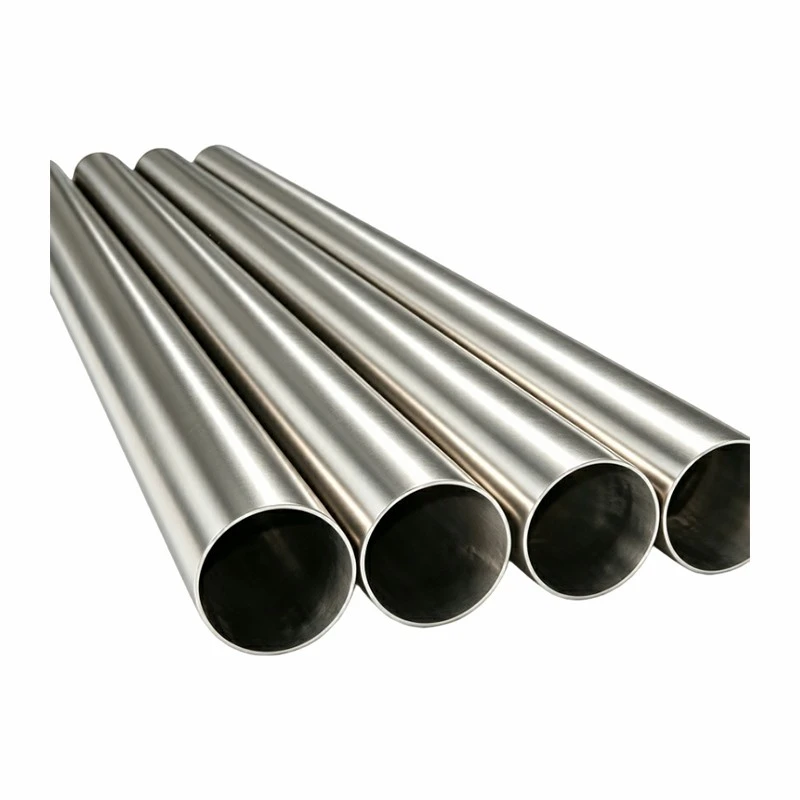
Real-World Applications of Ti Nb Alloy
The corrosion resistance of Ti Nb alloy makes it suitable for a wide range of applications. In the aerospace industry, Ti Nb alloy is used in components such as engine parts, airframe structures, and landing gear, where it can withstand the harsh conditions of high temperatures, high pressures, and corrosive environments. In the chemical processing industry, Ti Nb alloy is used in equipment such as reactors, heat exchangers, and pipes, where it can resist the corrosion caused by various chemicals and acids.
In the medical field, Ti Nb alloy is used in implants such as dental implants and orthopedic implants, where its biocompatibility and corrosion resistance are crucial for long-term performance. The alloy's ability to form a stable passive film on its surface helps to prevent the release of metal ions into the body, reducing the risk of allergic reactions and other complications.
Factors Affecting the Corrosion Resistance of Ti Nb Alloy
While Ti Nb alloy is generally known for its excellent corrosion resistance, several factors can affect its performance. The composition of the alloy, including the ratio of titanium to niobium and the presence of other alloying elements, can have a significant impact on its corrosion resistance. Additionally, the processing and heat treatment of the alloy can also affect its microstructure and properties, which in turn can influence its corrosion behavior.
The environment in which the alloy is used is another important factor. Different corrosive media, such as acids, alkalis, and salts, can have different effects on the corrosion resistance of Ti Nb alloy. For example, in chloride-rich environments, the alloy may be more susceptible to pitting and crevice corrosion. Therefore, it's important to carefully consider the specific application and environment when selecting Ti Nb alloy.
Our Experience as a Ti Nb Alloy Supplier
As a supplier of Ti Nb Alloy, we have extensive experience in providing high-quality Ti Nb alloy products to various industries. We work closely with our customers to understand their specific requirements and provide customized solutions. Our team of experts is always available to offer technical support and advice on the selection, processing, and application of Ti Nb alloy.
We also conduct rigorous quality control measures to ensure that our Ti Nb alloy products meet the highest standards of quality and performance. We use advanced testing techniques to evaluate the corrosion resistance of our alloys and ensure that they can withstand the specific environments in which they will be used.
Conclusion and Call to Action
In conclusion, Ti Nb alloy is a highly corrosion-resistant material that offers excellent performance in a wide range of applications. Its unique combination of titanium and niobium provides a stable passive film that protects the alloy from corrosion. However, the corrosion resistance of Ti Nb alloy can be affected by various factors, and it's important to carefully consider these factors when selecting the alloy for a specific application.
If you're interested in learning more about Ti Nb alloy or are looking for a reliable supplier of high-quality Ti Nb alloy products, please don't hesitate to contact us. We're here to help you find the right solution for your needs and ensure the success of your projects.
References
- Jones, D. A. (1996). Principles and Prevention of Corrosion. Prentice Hall.
- Uhlig, H. H., & Revie, R. W. (1985). Corrosion and Corrosion Control: An Introduction to Corrosion Science and Engineering. Wiley.
- ASM Handbook, Volume 13A: Corrosion: Fundamentals, Testing, and Protection. ASM International.