




How To Solve 4 Common Titanium Alloy CNC Machining Problems
 Jun 29, 2026|
 Titanium alloys (such as Ti-6Al-4V / TC4, TA2, etc.) have become indispensable core materials in aerospace, medical implants, and precision chemical equipment due to their excellent strength-to-weight ratio and corrosion resistance. However, for global buyers, the extremely high unit price of titanium materials means that every minor mistake during the processing will be magnified into a huge financial loss. In the CNC processing stage, due to the special physical properties of titanium alloys, four major precision problems - dimensional deviation, coaxiality deviation, surface roughness, and severe burrs - are often the main causes of part scrapping and are also the pain points we must solve for our customers.
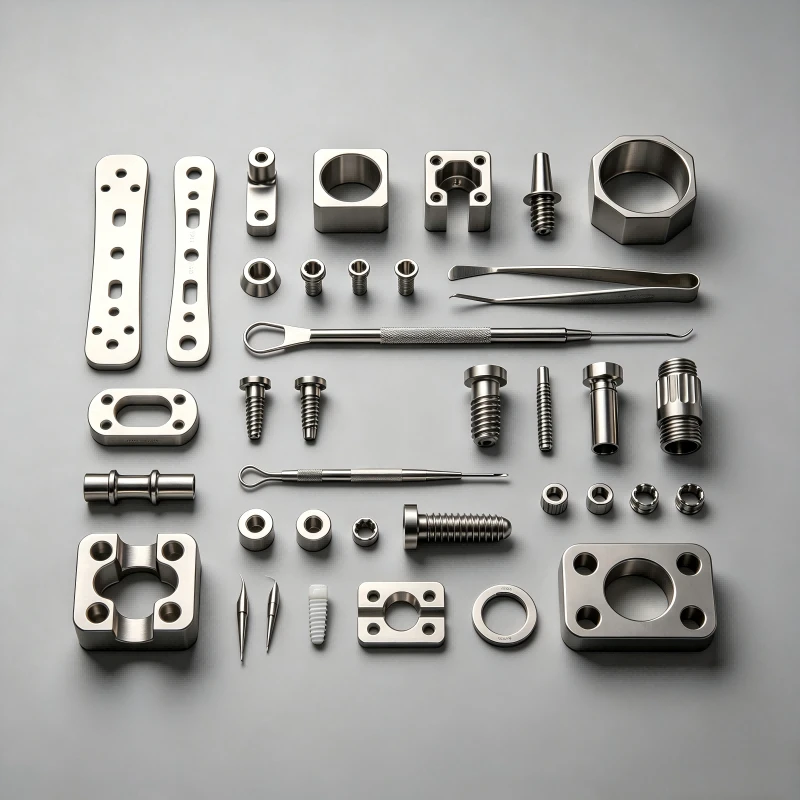
Dimensional deviation is the most common challenge in titanium alloy processing. The root cause lies in titanium's low elastic modulus and low thermal conductivity. During cutting, the material is prone to the "tool yielding" phenomenon and undergoes elastic recovery after cooling, resulting in a smaller inner hole or a larger outer diameter. When processing TC4 bone nail sleeves for an European medical customer, we once found that the first piece's inner diameter was out of tolerance by 0.015mm due to elastic recovery. In response to this situation, we did not blindly start production but instead measured the rebound amount precisely and performed reverse tool compensation, ultimately stabilizing the CPK value of 50 consecutive products at above 1.67, ensuring a 100% qualification rate and avoiding the waste of expensive materials.
Coaxiality deviation usually troubles complex parts with multiple stepped holes or both ends bearing positions. Thin-walled titanium alloy parts are extremely sensitive to clamping force, and the positioning error caused by repeated clamping often leads to excessive coaxiality. We once took on a batch of aviation connector housings, with the Φ12H7 coaxial holes on both sides requiring a tolerance of within Φ0.02mm. By abandoning the traditional multiple clamping process and using a four-axis machine tool to complete the double-side boring and outer circle processing, combined with a hydraulic expansion core shaft limit, we successfully controlled the coaxiality within Φ0.012mm, far exceeding the customer's expectations.
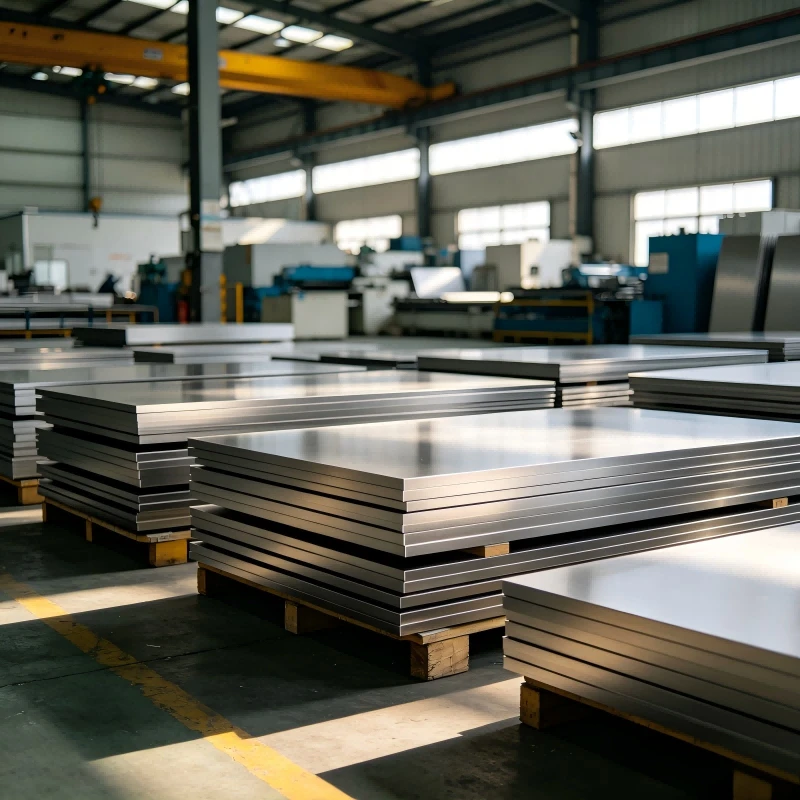
Surface quality and burr control directly determine the assembly performance and service life of the parts. Titanium alloys are prone to affinity reactions with cutting tools, causing chip scars and surface scratches, while the material's toughness leads to excessive burrs at the outlet. In a titanium alloy flange production project for an optical instrument, we improved the end face roughness from Ra1.6μm to Ra0.32μm by strictly using sharp TiAlN coated tools, implementing high-pressure cooling (70bar), and optimizing cutting parameters, completely eliminating vibration patterns and burrs, meeting the strict optical assembly requirements.
Facing these high-risk processing challenges, choosing a supplier with profound technical accumulation and supply chain guarantee is crucial. China Super Tech Co., Ltd. specializes in titanium alloys, synthetic diamonds, niobium-tantalum, and various difficult-to-melt rare metals. We not only have sufficient inventory of TC4, TA2, etc. to achieve rapid delivery but also provide one-stop customized services from DFM manufacturability analysis to finished product inspection. Relying on a complete range of specifications and strict quality control systems, we are committed to providing global customers with worry-free precision metal solutions, ensuring that every investment is converted into precise finished products.