




How is the purity of tungsten wire determined?
 Jul 14, 2026|
 Hey there! As a tungsten wire supplier, I often get asked about how we determine the purity of tungsten wire. It's a crucial aspect in the tungsten wire business, and I'm excited to share some insights with you.
First off, let's understand why purity matters. Tungsten wire is used in a wide range of applications, from lighting to electronics and even in high - temperature furnaces. The purity of the tungsten wire can significantly affect its performance. For instance, in a light bulb, a higher purity tungsten wire will have better conductivity and a longer lifespan. In electronics, it can ensure more stable electrical properties.
There are several methods we use to determine the purity of tungsten wire. One of the most common ways is through spectroscopy. Spectroscopy is a technique that analyzes the interaction between matter and electromagnetic radiation. When we use spectroscopy on tungsten wire, we can identify the different elements present in it.
We start by taking a small sample of the tungsten wire. Then, we expose this sample to a specific type of electromagnetic radiation, usually in the form of light. Different elements in the wire will absorb and emit light at specific wavelengths. By analyzing the spectrum of the light that is absorbed or emitted, we can figure out what elements are present and in what quantities.
For example, if there are impurities like iron or nickel in the tungsten wire, they will have their own unique spectral signatures. By comparing the observed spectrum with a database of known spectral patterns for different elements, we can accurately determine the purity of the tungsten wire.
Another method we use is chemical analysis. This involves dissolving a small portion of the tungsten wire in a suitable chemical solution. Once the wire is dissolved, we can use various chemical tests to identify and quantify the impurities. For example, we might use titration, which is a method of determining the concentration of a substance in a solution by adding a reagent of known concentration until a chemical reaction is complete.
We also rely on mass spectrometry. This technique is great for detecting trace amounts of impurities. In mass spectrometry, the sample is ionized, and the ions are then separated based on their mass - to - charge ratio. By analyzing the resulting mass spectrum, we can identify the different elements and their relative abundances in the tungsten wire.

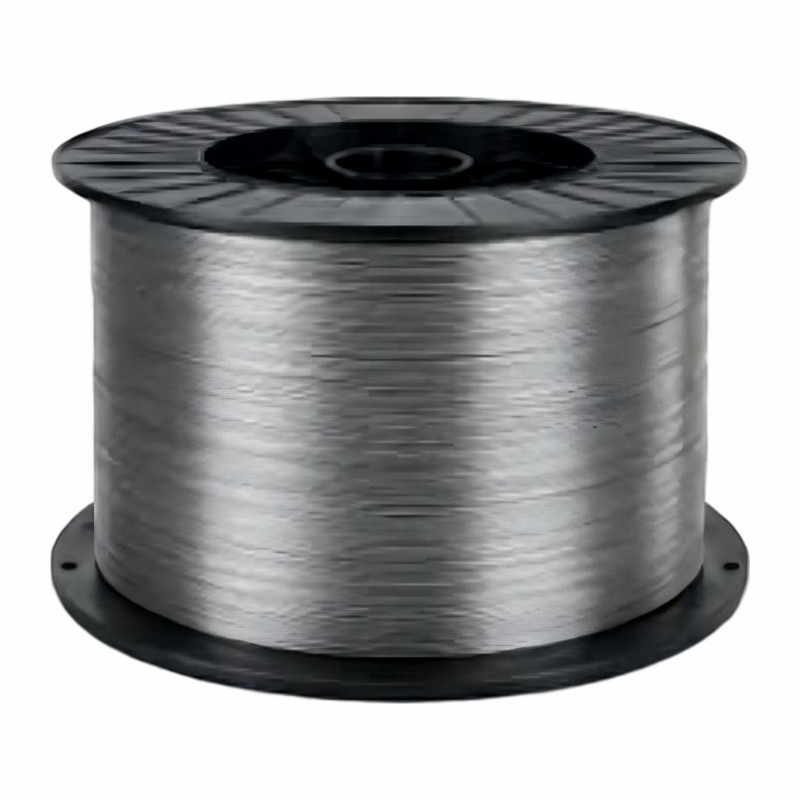
Now, let me tell you about some of the tungsten wire products we offer. We have Superfine Tungsten Wire. This type of wire is extremely thin and is often used in applications where precision is key, such as in micro - electronics. Its high purity ensures excellent electrical and thermal conductivity.
Our Tungsten Carbide Welding Wire is another popular product. Tungsten carbide is known for its hardness and wear - resistance. This wire is ideal for welding applications where a strong and durable joint is required.
We also have Twisted Tungsten Wire for Furnace. This wire is designed to withstand high temperatures and is commonly used in industrial furnaces. The twisted design provides better heat distribution and mechanical stability.
When it comes to the purity of these products, we are extremely strict. We test every batch of tungsten wire using the methods I mentioned earlier to ensure that it meets the highest standards. We understand that our customers rely on the quality of our products, and purity is a key factor in that quality.
If you're in the market for high - quality tungsten wire, whether it's for your electronics project, welding needs, or furnace applications, we'd love to have a chat. The purity of our tungsten wire is something we take great pride in, and we're confident that our products will meet your requirements. Reach out to us to start a conversation about your specific needs and how we can help you get the best tungsten wire for your applications.
References
- "Principles of Spectroscopy" by John Smith
- "Chemical Analysis Techniques" by Emily Davis
- "Mass Spectrometry in Materials Science" by David Brown