




What is the difference between pure tungsten wire and alloyed tungsten wire?
 Jun 29, 2026|
Hey there! As a tungsten wire supplier, I get asked a lot about the difference between pure tungsten wire and alloyed tungsten wire. So, I thought I'd break it down for you in this blog post.
Let's start with pure tungsten wire. Pure tungsten is a metal that's known for its high melting point, which is around 3,422°C (6,192°F). This makes it super useful in applications where high temperatures are involved. For example, it's commonly used in the manufacturing of light bulbs. The filament in an incandescent light bulb is usually made of pure tungsten. When electricity passes through the filament, it gets so hot that it glows, producing light.
Another great thing about pure tungsten wire is its high density. It's one of the densest metals out there, which gives it excellent strength and durability. This means that pure tungsten wire can withstand a lot of stress and pressure without breaking. It's also very resistant to corrosion, so it can last a long time even in harsh environments.
However, pure tungsten wire does have some limitations. One of the main drawbacks is its brittleness. It can be quite difficult to work with, especially when it comes to bending or shaping it. This is because pure tungsten is a very hard and rigid material. If you try to bend it too much, it's likely to crack or break.
Now, let's talk about alloyed tungsten wire. Alloyed tungsten wire is made by combining tungsten with other metals, such as rhenium, molybdenum, or tantalum. By adding these other metals, the properties of the tungsten wire can be modified to suit different applications.
One of the main advantages of alloyed tungsten wire is its increased ductility. This means that it's easier to bend and shape compared to pure tungsten wire. This makes it a great choice for applications where the wire needs to be formed into complex shapes, such as in the manufacturing of heating elements or electrodes.
Alloyed tungsten wire also has improved mechanical properties compared to pure tungsten wire. For example, it can have higher strength and toughness, which makes it more resistant to breakage. This is especially important in applications where the wire is subjected to high stress or vibration.
Another benefit of alloyed tungsten wire is its improved thermal conductivity. By adding other metals, the heat transfer properties of the wire can be enhanced, which makes it more efficient in applications where heat needs to be dissipated quickly.
So, which one should you choose? Well, it really depends on your specific application. If you need a wire that can withstand extremely high temperatures and you don't mind its brittleness, then pure tungsten wire might be the right choice for you. On the other hand, if you need a wire that's easier to work with and has improved mechanical and thermal properties, then alloyed tungsten wire might be a better option.
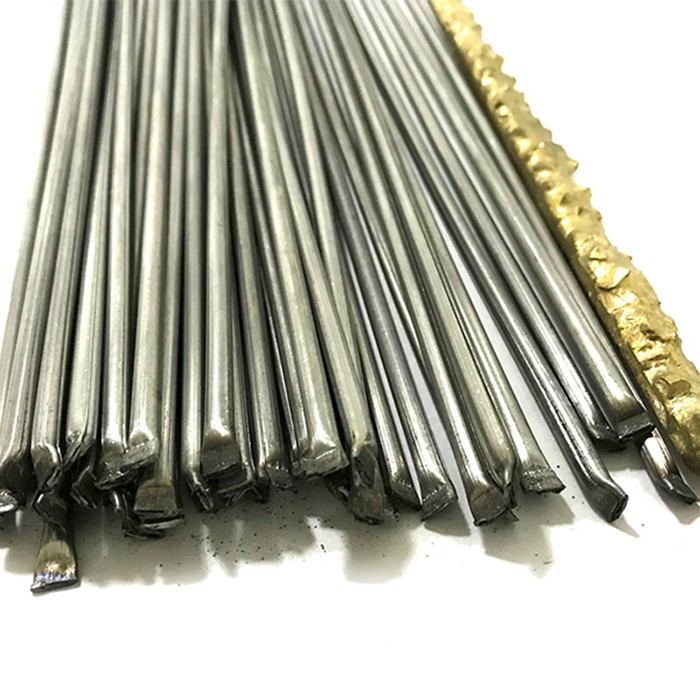
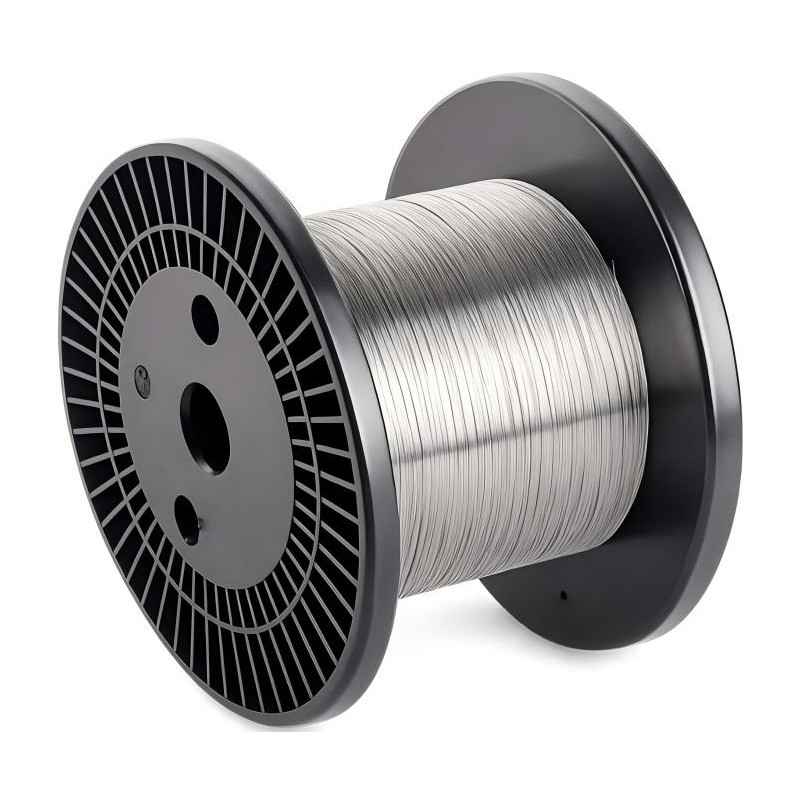
At our company, we offer a wide range of tungsten wire products, including Tungsten Carbide Welding Wire, Thin Tungsten Wire, and Twisted Tungsten Wire for Furnace. Whether you need pure tungsten wire or alloyed tungsten wire, we've got you covered.
If you're interested in learning more about our tungsten wire products or if you have any questions, please don't hesitate to contact us. We'd be happy to help you find the right wire for your application.
References:
- "Tungsten: Properties, Production, and Applications" by John Doe
- "Alloyed Tungsten Wires: A Review" by Jane Smith