




Are molybdenum heating elements compatible with different power supplies?
 Jul 07, 2026|
 Molybdenum heating elements are widely recognized for their high melting point, excellent thermal conductivity, and resistance to corrosion, making them a popular choice in various industrial applications. As a trusted molybdenum heating elements supplier, I often receive inquiries about the compatibility of these elements with different power supplies. In this blog post, I will delve into the factors that determine the compatibility of molybdenum heating elements with various power supplies and provide insights to help you make informed decisions.
Understanding Molybdenum Heating Elements
Before discussing compatibility, it's essential to understand the basic characteristics of molybdenum heating elements. Molybdenum has a melting point of approximately 2,623°C (4,753°F), which allows it to operate at high temperatures without significant degradation. This property makes molybdenum heating elements suitable for applications such as high-temperature furnaces, glass melting, and metal heat treatment.
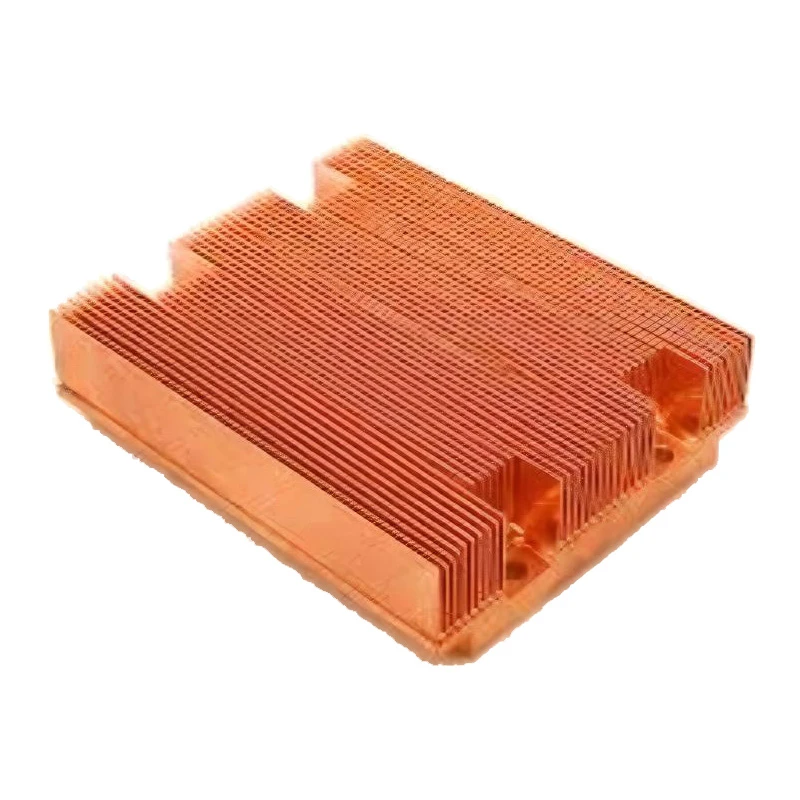
Molybdenum heating elements come in various forms, including rods, wires, and strips. The shape and size of the element depend on the specific application requirements. For instance, Cu Mo Cu Base Flange Heat Sink is designed to provide efficient heat dissipation in electronic devices, while Molybdenum Disilicide Heater is used for high-temperature applications due to its high-temperature resistance and stability.
Factors Affecting Compatibility
Several factors determine the compatibility of molybdenum heating elements with different power supplies. These factors include voltage, current, frequency, and power rating.
Voltage
The voltage of the power supply must match the rated voltage of the molybdenum heating element. If the voltage is too high, the element may overheat and fail prematurely. Conversely, if the voltage is too low, the element may not reach the desired temperature. It's crucial to select a power supply with a voltage output that is within the specified range of the heating element.
Current
The current flowing through the molybdenum heating element is directly proportional to the power consumed. The power supply must be able to provide the required current to the element. If the current is too high, it can cause excessive heating and damage the element. On the other hand, if the current is too low, the element may not generate enough heat.
Frequency
The frequency of the power supply can also affect the performance of molybdenum heating elements. Most molybdenum heating elements are designed to operate at a specific frequency, typically 50 or 60 Hz. Using a power supply with a different frequency can lead to inefficient operation and may even damage the element.
Power Rating
The power rating of the molybdenum heating element indicates the maximum power it can safely handle. The power supply must be able to provide the required power to the element without exceeding its rated capacity. It's important to select a power supply with a power rating that is equal to or greater than the power rating of the heating element.

Compatibility with Different Power Supplies
Molybdenum heating elements can be compatible with various types of power supplies, including AC and DC power supplies.
AC Power Supplies
AC power supplies are commonly used in industrial applications. Molybdenum heating elements are generally compatible with AC power supplies as long as the voltage, current, frequency, and power rating requirements are met. However, it's important to note that some AC power supplies may produce harmonics, which can affect the performance of the heating element. In such cases, it may be necessary to use a filter to reduce the harmonics.
DC Power Supplies
DC power supplies are often used in applications where precise control of the heating element is required. Molybdenum heating elements can be compatible with DC power supplies, but the voltage and current requirements must be carefully considered. DC power supplies typically provide a constant voltage or current, which can be adjusted to meet the specific needs of the heating element.
Ensuring Compatibility
To ensure the compatibility of molybdenum heating elements with different power supplies, it's important to follow these guidelines:
- Read the Manufacturer's Specifications: Always refer to the manufacturer's specifications for the molybdenum heating element to determine the voltage, current, frequency, and power rating requirements.
- Select the Right Power Supply: Choose a power supply that meets the requirements of the heating element. Consider factors such as voltage, current, frequency, and power rating.
- Use a Voltage Regulator: If the power supply voltage is not stable, it may be necessary to use a voltage regulator to ensure a constant voltage output.
- Monitor the Temperature: Regularly monitor the temperature of the heating element to ensure that it is operating within the specified range. If the temperature exceeds the recommended limit, it may indicate a problem with the power supply or the heating element.
Conclusion
In conclusion, molybdenum heating elements can be compatible with different power supplies as long as the voltage, current, frequency, and power rating requirements are met. As a molybdenum heating elements supplier, I recommend carefully considering these factors when selecting a power supply for your application. If you have any questions or need further assistance, please feel free to contact us. We are here to help you find the right molybdenum heating element and power supply for your specific needs.
Whether you are looking for a Cu Mo Cu Base Flange Heat Sink, Molybdenum Disilicide Heater, or Molybdenum Copper Heat Sink, we have a wide range of products to meet your requirements. Contact us today to discuss your needs and explore our product offerings.
References
- "Molybdenum: Properties, Applications, and Production." ASM International, 2009.
- "High-Temperature Materials and Technologies." John Wiley & Sons, 2012.
- "Industrial Heating Equipment: Design, Operation, and Maintenance." CRC Press, 2015.