




Solving The Consistency Issue Of Synthetic Diamonds: Quality Control And Supply Solution From China Super Tech
 Jun 17, 2026|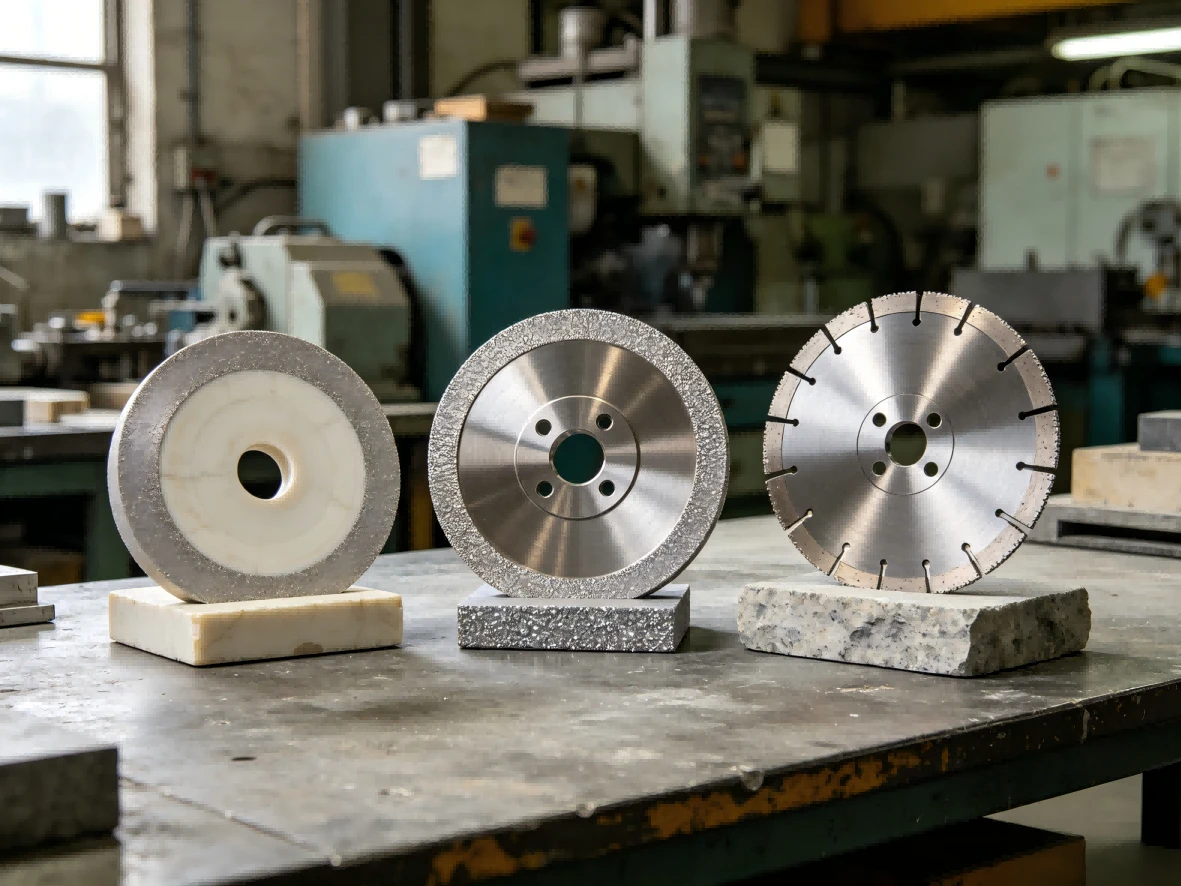
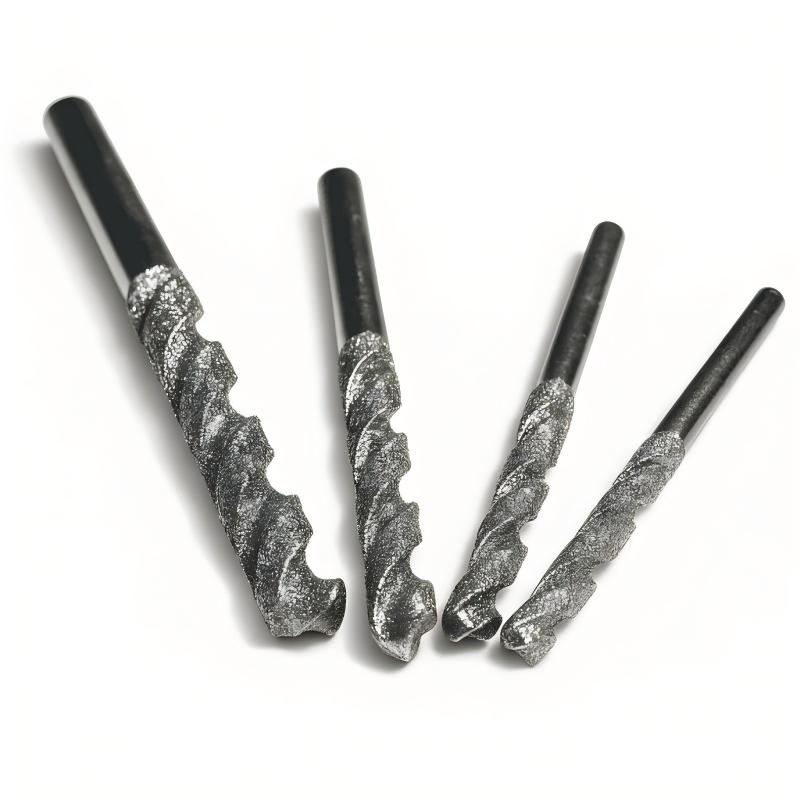
In the production of resin/metal bonding abrasive wheels, diamond saw blades, and geological drill bits, the consistency of synthetic diamonds directly affects the yield of the finished products. The main problem in this situation is uneven particle size distribution, significant differences in crystal shapes, and fluctuations in batch quality. This leads to shortened tool lifespan, deep scratches on the cutting surface, and decreased sintered bonding strength. To address these issues, we focus on ensuring the stability of three technical indicators: whether the particle size distribution (PSD) is accurate, whether the crystal strength (TI/TTI) is stable, and whether complete test reports are available.
In 2023, a saw blade manufacturer in South China noticed a decline in the product qualification rate after using a certain supplier's 40/50 mesh diamond. Upon testing, it was found that the D90 value of this batch of diamonds exceeded the standard by 15 μm, the proportion of equiaxed crystals was only 62%, and no TI value sorting was conducted. The coarse particles led to an increase in cutting resistance, and the irregular crystals had weak bonding force in the metal substrate, resulting in a 28% reduction in the lifespan of the saw blades. After this customer switched to using China Super Tech's products, we achieved strict particle size classification and morphology screening, increasing the proportion of equiaxed crystals to over 85% and controlling the coefficient of variation (CV value) between batches within 3%, thus restoring the normal production yield.
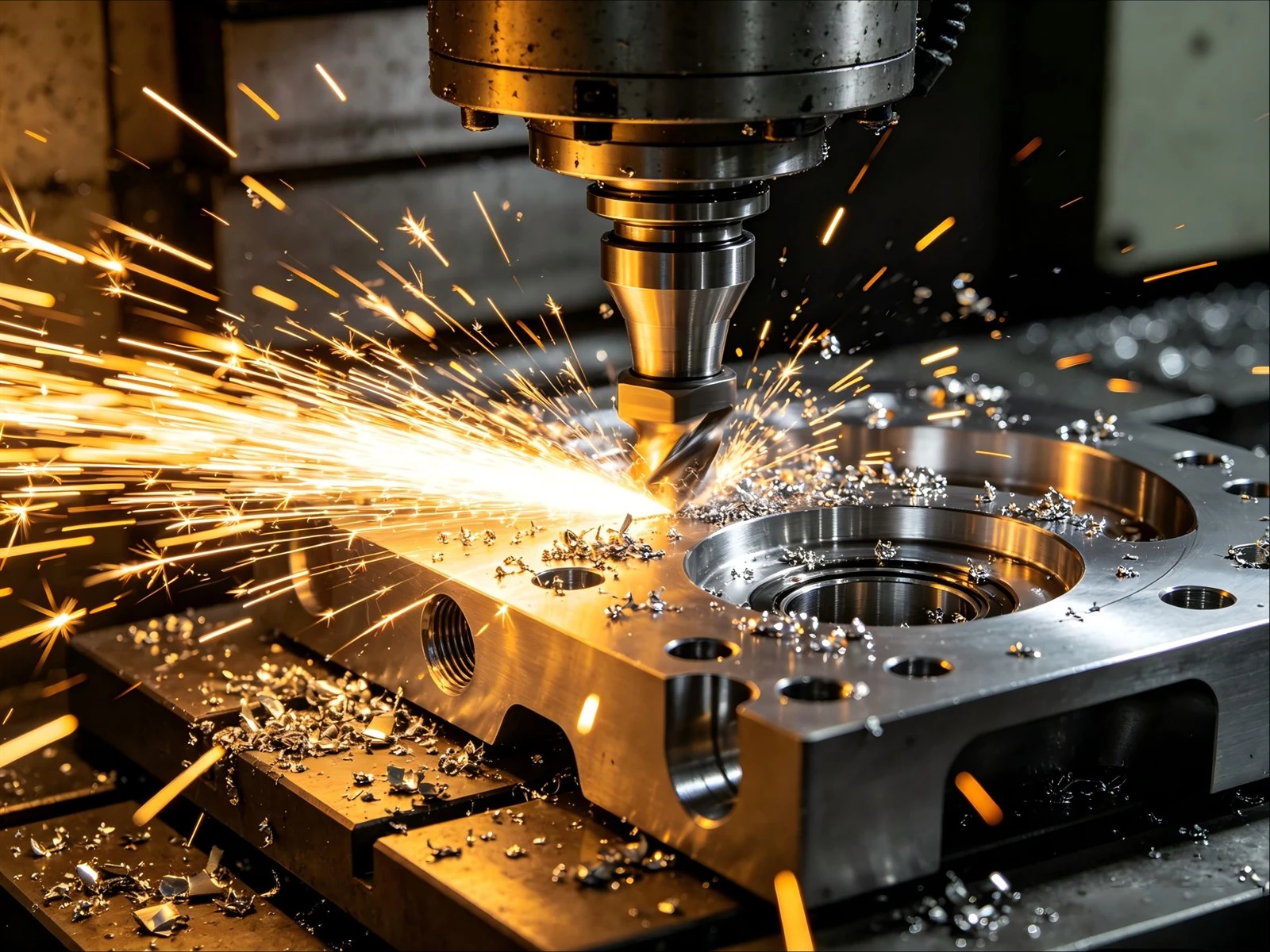
China Super Tech Co., Ltd. specializes in artificial diamonds, titanium alloys, niobium-tantalum and other special refractory metals. Regarding the fluctuation in diamond quality, we follow a standardized quality control process. In terms of particle size control, we employ multi-level standard sieves and centrifugal air flow classification, and conduct a full inspection of PSD using a laser particle size analyzer (ISO 13320). We strictly control the ultra-large particle diameters of D90/D97. In terms of crystal control, we screen by crushing and shaping and image analysis methods, eliminating flake and needle-shaped crystals, ensuring that the proportion of equiaxed block crystals meets the standards. Each batch of products undergoes TI (toughness index) and TTI (thermal toughness index) tests, and is accompanied by a complete COA report including the content of magnetic substances (≤200 ppm).
We have ample in-stock supplies and the capacity for customization. Our warehouse always has standard mesh sizes (30/40 to 325/400 US Mesh) of synthetic diamond, titanium alloy (Gr1-Gr5/Ti6Al4V, etc.) and niobium-tantalum metal materials in stock. For standard product orders, we support rapid delivery. At the same time, we offer customized services, capable of producing special particle size ranges of micro-powders, surface metallization (Ni/Ti/Cu plating) of diamond, as well as non-standard-sized titanium, niobium, and tantalum products. This one-stop supply model reduces the procurement steps and delivery risks for customers.
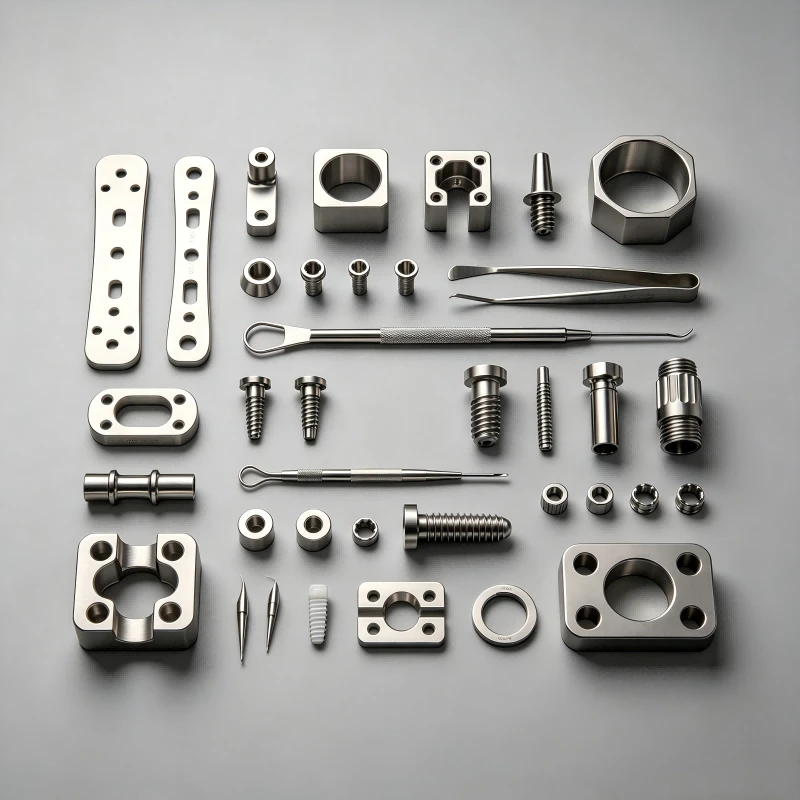
Through precise control of particle size distribution, stable crystal strength data, and the supply of various types of metals, China Super Tech provides reliable raw material support to tool manufacturers. We control variables from the source to ensure that the technical indicators of each batch of products meet international application standards, and meet the needs of global customers in areas such as stone cutting, hard alloy grinding, and aerospace material processing.
Contact us today for a quote and stock check.
Q1: What is Particle Size Distribution (PSD) and why does it matter for synthetic diamond grit?
A: PSD describes the range of particle diameters in a diamond batch, typically shown as D10/D50/D90 values from laser diffraction analysis (ISO 13320). A narrow, well-controlled PSD prevents oversize particles that cause scratching or tool damage and ensures even bond retention in diamond tools. China Super Tech provides full PSD data with every lot.
Q2: What do TI and TTi mean on a diamond abrasive test report?
A: TI (Toughness Index) is the percentage of diamond grains surviving a standardized impact test-higher TI means better resistance to fracture in grinding or sawing. TTi (Thermal Toughness Index) is the TI measured after heating the sample to ~1100℃ for 10 min, simulating high-temp sintering conditions. Both values indicate whether the diamond will hold up in your bond system and application. We supply TI/TTi data in every COA.