




Need G.657.A2 Bare Fiber For A Small FTTH Project? What Buyers Should Confirm Before Ordering
 Oct 21, 2026|
Need G.657.A2 Bare Fiber for a Small FTTH Project? What Buyers Should Confirm Before Ordering
A small FTTH deployment can have the same specification and delivery challenges as a much larger network project. A regional internet service provider may be extending coverage to a residential area, or an FTTH contractor may be preparing a limited installation phase. In either case, the purchasing team needs the right bare optical fiber without committing to unnecessary inventory.
For projects that require G.657.A2 bare fiber, the purchasing decision involves more than selecting a fiber grade. The required optical parameters, total quantity, length per spool, packaging, documentation, and delivery destination all affect whether a proposed supply arrangement fits the project.
Before requesting a quotation, buyers should establish what the project actually requires and identify which details the supplier must confirm. This approach helps smaller FTTH teams compare quotations on a consistent basis and avoid delays caused by incomplete specifications.
1. Why Buying for a Smaller FTTH Project Can Be Difficult
Limited demand does not eliminate specification requirements
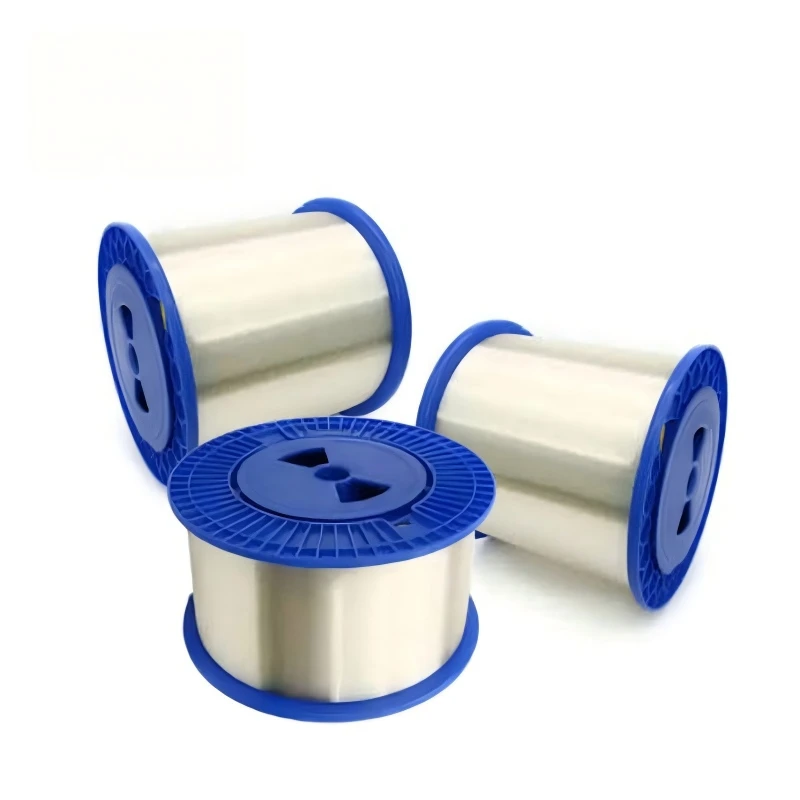
A regional ISP or local telecom contractor may need bare fiber for one construction phase, a limited residential development, a network extension, or a scheduled replenishment order. The required quantity may be modest compared with the purchasing volume of a large cable producer, but the fiber still needs to meet the project's technical requirements.
The first question is whether the supplier can evaluate the requested quantity under its available supply conditions. Standard product availability, order quantity, spool configuration, and any special requirements may influence the quotation. Buyers should confirm these points rather than assume that every supplier has the same minimum order policy.

Delivery depends on more than the requested arrival date
A contractor may need fiber before a planned cable production run or installation phase. However, a requested delivery date does not automatically mean that the product can be supplied by that date.
The proposed schedule should be checked against the exact fiber grade, specification approval, required quantity, packaging, current supply status, inspection requirements, and shipping destination. If a project requires a non-standard spool length or additional documentation, those details should be discussed before the delivery schedule is confirmed.
Too much inventory can create a different procurement problem
Buying more fiber than a project needs can tie up purchasing funds and leave unused material after the installation phase. On the other hand, ordering too little may lead to a second purchase, additional freight costs, or differences between supply batches.
A practical approach is to estimate the required fiber length from the project design, account for the applicable installation and production allowance, and then confirm the order quantity and spool arrangement with the supplier. The objective is not simply to buy the smallest possible quantity, but to balance material utilization, supply continuity, and project timing.
2. Is G.657.A2 the Right Bare Fiber for Your FTTH Design?
G.657.A1 and G.657.A2 are bend-insensitive single-mode optical fiber categories. The appropriate choice depends on the routing requirements, cable design, optical performance requirements, and applicable project specification.

Under ITU-T Recommendation G.657, the minimum design bend radius is 10 mm for G.657.A1 and 7.5 mm for G.657.A2. The smaller design radius associated with A2 can be relevant to compact FTTH drop cable designs, indoor access networks, and installations with restricted fiber-routing space.
These figures are fiber-category design values, not universal installation limits for every finished cable. Actual handling and installation requirements must also account for the cable construction, manufacturer instructions, applicable test conditions, and project requirements.
For a project with sufficient routing space, G.657.A1 may meet the specified requirements. Where a smaller design bend radius is required, G.657.A2 may be the more appropriate candidate. The decision should follow the project's documented requirements rather than the assumption that the tighter-bend category is always necessary.
| Evaluation point | What the buyer should confirm |
|---|---|
| Fiber category | Whether the project specifies G.657.A1, G.657.A2, or another fiber category. |
| Routing conditions | The required minimum design bend radius and the conditions expected in the finished cable installation. |
| Optical requirements | Attenuation, mode field diameter, operating wavelengths, and other applicable optical parameters. |
| System compatibility | Whether compatibility with the existing single-mode network or G.652.D-based system is required. |
| Finished cable design | Whether the bare fiber is intended for a drop cable, indoor cable, distribution cable, or another cable construction. |
Review the G.657.A1 fiber specifications or the G.657.A2 fiber details before finalizing the requested grade.
3. What to Confirm Before Requesting a Small-Lot Quote
A complete request for quotation does not have to be complicated. For a smaller FTTH project, the following information gives the supplier a practical basis for evaluating the requirement.
1. Required bare fiber grade
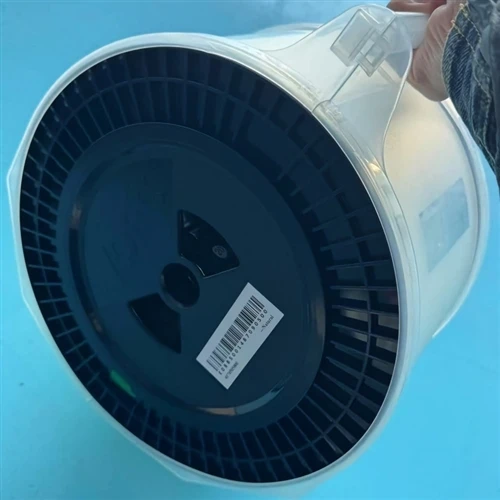
State G.657.A1 or G.657.A2 explicitly. If the project specification allows alternatives, identify the acceptable categories and ask the supplier to state the exact grade offered. Avoid using only the general term "bend-insensitive fiber," which may not be sufficient for technical comparison.
2. Applicable standard and revision
Identify the applicable standard and edition, such as the specified edition of ITU-T G.657. If the project uses a customer specification or another applicable product classification, attach it or identify the required document. This helps prevent quotations based on different specification versions.
3. Required optical parameters
Provide the optical limits that matter to the project, including applicable attenuation limits, mode field diameter, operating wavelength range, and bend-performance requirements. Include relevant geometric and mechanical requirements where they are part of the purchasing specification.
If the project does not have a complete fiber specification, share the existing cable design or technical requirements and ask the supplier to identify which items need confirmation before quotation. Do not treat generic catalog values as automatically approved project requirements.
4. Total quantity and unit of measurement
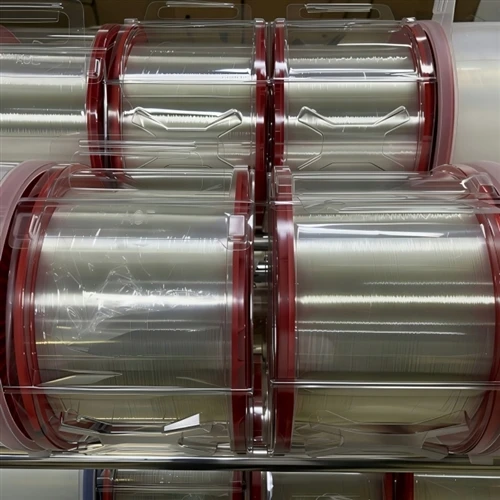
Specify the estimated total length and its unit, such as kilometers or meters. If the quantity is an estimate for an initial installation phase, say so. If repeat orders are possible, indicate the anticipated procurement pattern without presenting future demand as a confirmed commitment.
The quantity allows the supplier to assess whether the request fits an available standard supply arrangement or needs a different configuration. It also helps buyers compare quotations using the same quantity basis.
5. Required length per spool and packaging
State the preferred length per spool, number of spools if known, packaging requirements, labeling information, and any handling or storage considerations. If the spool configuration is flexible, make that clear.
For smaller projects, spool length matters because it affects material handling, production planning, storage, and the amount of unused fiber left after a work phase. The most convenient arrangement depends on the project's actual use and the supplier's available options.

6. Quality documentation
List the documents required for acceptance, such as a product specification, inspection results, a test report where applicable, a certificate of conformity where agreed, or batch identification and traceability information.
Document availability should be confirmed rather than assumed. If a project requires a specific report format or acceptance criterion, include it in the RFQ so that the supplier can evaluate the request before the order is placed.
7. Destination country
Provide the delivery country and, when available, the destination city or delivery postcode. The destination helps the supplier assess shipping arrangements, freight options, documentation needs, and the practical delivery schedule.
8. Target delivery date
State the date by which the fiber is needed and explain whether it is linked to cable production, site installation, or another project milestone. Ask the supplier to confirm the estimated supply and dispatch schedule after reviewing the specification and quantity.
It is useful to distinguish the requested arrival date from the supplier's estimated dispatch date. Transit time, customs clearance, and local delivery may affect when the material actually reaches the project site.
4. How a Flexible Supply Arrangement Can Help
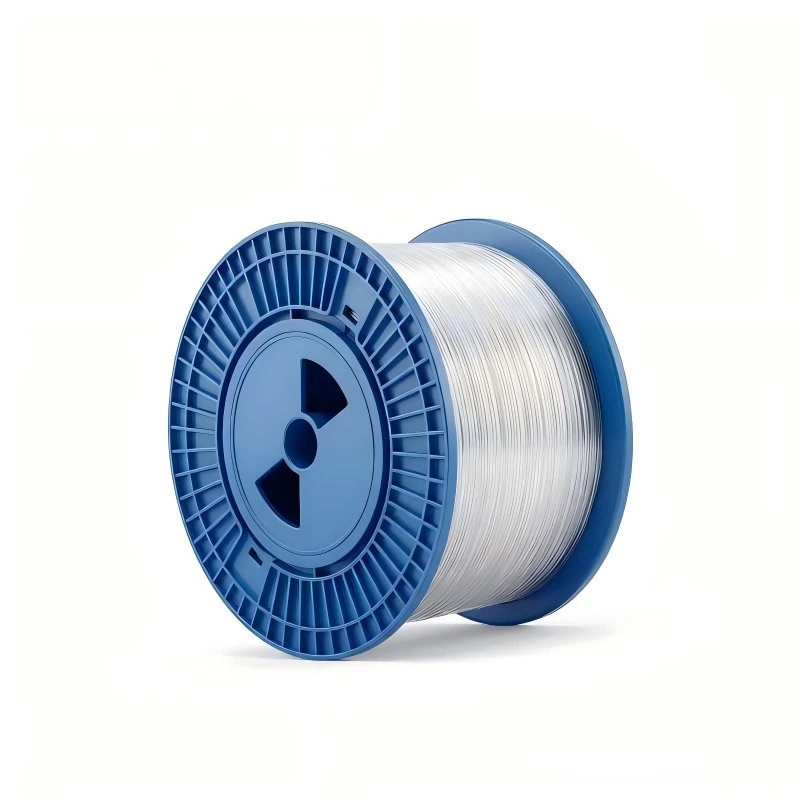
For a smaller FTTH project, flexibility should mean a clear review of the actual requirement-not an unverified promise to supply any quantity on any date.
China Super Tech can discuss the following points with buyers seeking G.657.A1 or G.657.A2 bare fiber:
- Specification confirmation: Review the requested fiber grade and the applicable optical and geometric parameters before the order is finalized.
- Quantity evaluation: Assess the requested project quantity against the available supply arrangement and clarify any applicable order conditions.
- Spool and packaging discussion: Review the required fiber length per spool, labeling, packaging, and delivery configuration.
- Supply schedule confirmation: Check the product's supply status and provide an estimated schedule after the required specifications and quantity have been confirmed.
- Documentation alignment: Identify the technical and quality documents required by the buyer and confirm which documents can be provided under the agreed order conditions.
This process is useful when the purchasing team has a defined project scope but does not want to overcommit before the fiber specification and supply conditions have been reviewed.
For product-specific information, visit the G.657.A1 fiber page, the G.657.A2 fiber page, or the optical fiber product range.
5. Can a Smaller Supplier Be a Practical Alternative to a Large Supplier?
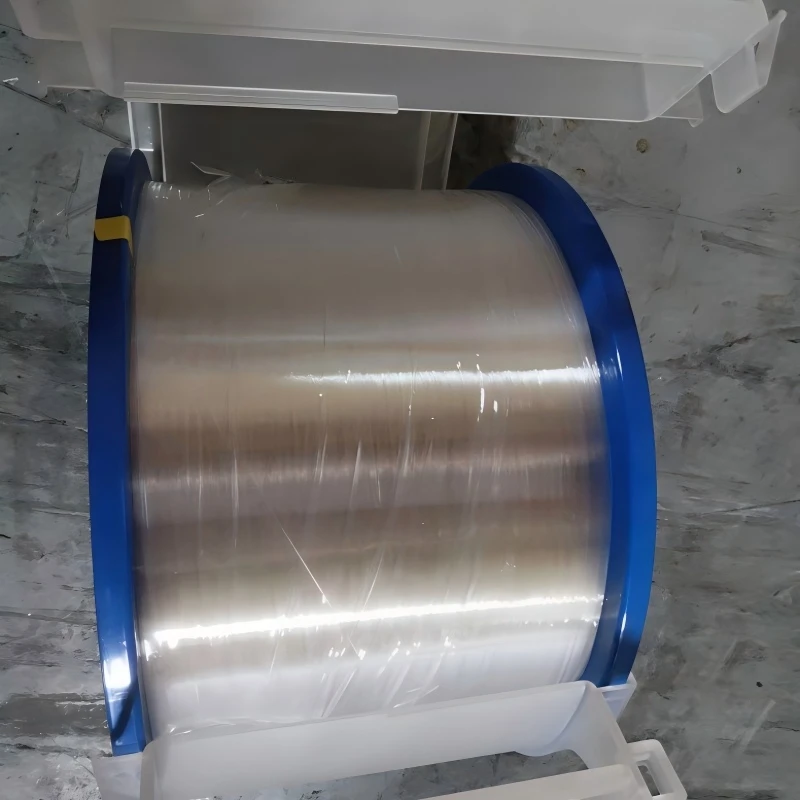
Large optical fiber suppliers may be the right choice for some buyers, particularly when a project requires an established sourcing framework or a large, recurring volume. However, company size alone does not establish whether a supplier is suitable for a specific small FTTH order.
For regional ISPs, contractors, and local network integrators, the more useful question is whether the proposed supplier can meet the project's requirements under clearly defined supply conditions.
Before adding a supplier to the shortlist, compare the following points:
- Specification fit: Does the quoted fiber grade and its stated parameters match the approved project requirements?
- Order quantity: Will the supplier evaluate the quantity required for this project, and are the applicable minimum order conditions clear?
- Communication: Can the supplier explain technical differences, identify missing information, and provide a written quotation with a clearly stated product configuration?
- Packaging options: Can the proposed spool length, labeling, and packaging meet the project's handling and usage requirements?
- Documentation: Are the required technical and quality documents available under the agreed terms?
- Delivery plan: Are the estimated supply, dispatch, and shipping arrangements clearly stated and open to verification?
- Repeat procurement: If another installation phase is planned, can the buyer define the specification and documentation needed for subsequent orders?
China Super Tech is an additional supply option that buyers can include in this comparison. Rather than assuming that a smaller order will automatically be accepted, buyers should submit the actual requirements and confirm the applicable order conditions directly.
A useful comparison is based on the same fiber grade, specification revision, quantity, spool arrangement, documentation requirements, delivery destination, and requested schedule. This makes it easier to distinguish a genuinely comparable quotation from one that appears cheaper because it covers a different supply scope.
6. A Practical Example of a Small FTTH RFQ
The following is an illustrative RFQ template, not a record of an actual customer order. Replace the bracketed fields with the details of your own project.
Request for Quotation: G.657.A2 Bare Optical Fiber
Application: [Residential FTTH access project / indoor access network / other]
Required fiber grade: G.657.A2 bare single-mode optical fiber
Applicable standard and revision: [Required standard and edition]
Optical and geometric requirements: [Attach the project specification or list the required parameters]
Estimated total quantity: [Quantity and unit]
Preferred length per spool: [Length or flexible, subject to confirmation]
Packaging and labeling: [Required configuration]
Required quality documentation: [Specification / inspection results / other agreed documents]
Destination country and city: [Destination]
Required delivery date: [Date]
Additional requirements: Please confirm whether the requested quantity and spool configuration can be supplied, identify any specification gaps, and state the estimated supply schedule and quotation validity.
For a project where the fiber grade has not yet been finalized, replace the specified G.657.A2 grade with "G.657.A1 or G.657.A2, subject to technical confirmation" and explain the routing conditions. The supplier can then evaluate the requested category against the stated requirements.
7. Request a Quote for Your FTTH Fiber Requirement
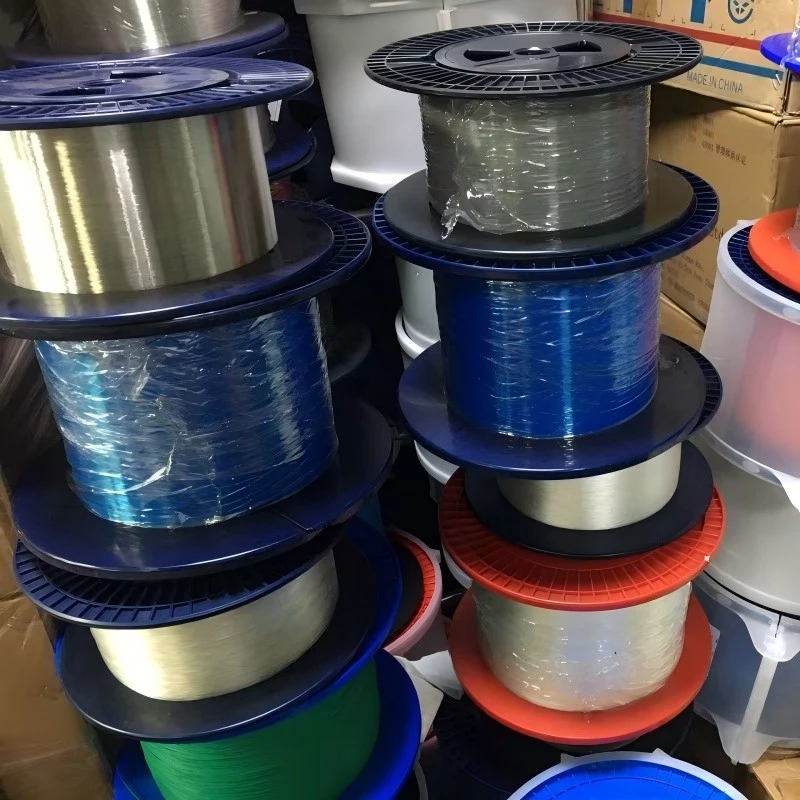
If you are sourcing bare optical fiber for a limited FTTH installation, a network extension, or a planned replenishment order, start with the project requirements rather than an assumed standard order quantity.
China Super Tech can review your G.657.A1 or G.657.A2 bare fiber requirements and discuss the applicable specification, quantity, spool configuration, packaging, documentation, and supply schedule.
To support an initial evaluation, please provide:
- Required fiber grade: G.657.A1 or G.657.A2
- Project application and cable design, if available
- Required optical parameters or technical specification
- Estimated total quantity and unit
- Preferred length per spool and packaging requirements
- Destination country and city
- Target delivery schedule
- Required technical and quality documentation
These details help establish whether the requested configuration can be supplied and what needs to be confirmed before an order is placed.
Request a G.657.A1 / G.657.A2 Bare Fiber Quote
Share your fiber grade, project quantity, spool length, destination, delivery schedule, and documentation requirements for a project-specific quotation review.
Request a G.657.A1 / G.657.A2 Bare Fiber Quote
Review the G.657.A2 product details or browse the complete optical fiber range before submitting your project requirements.