




Titanium Solutions For Semiconductor, Chemical And Industrial Applications
 Aug 05, 2026|
 Why Engineers Choose Titanium for Critical Applications
Excellent Corrosion Resistance
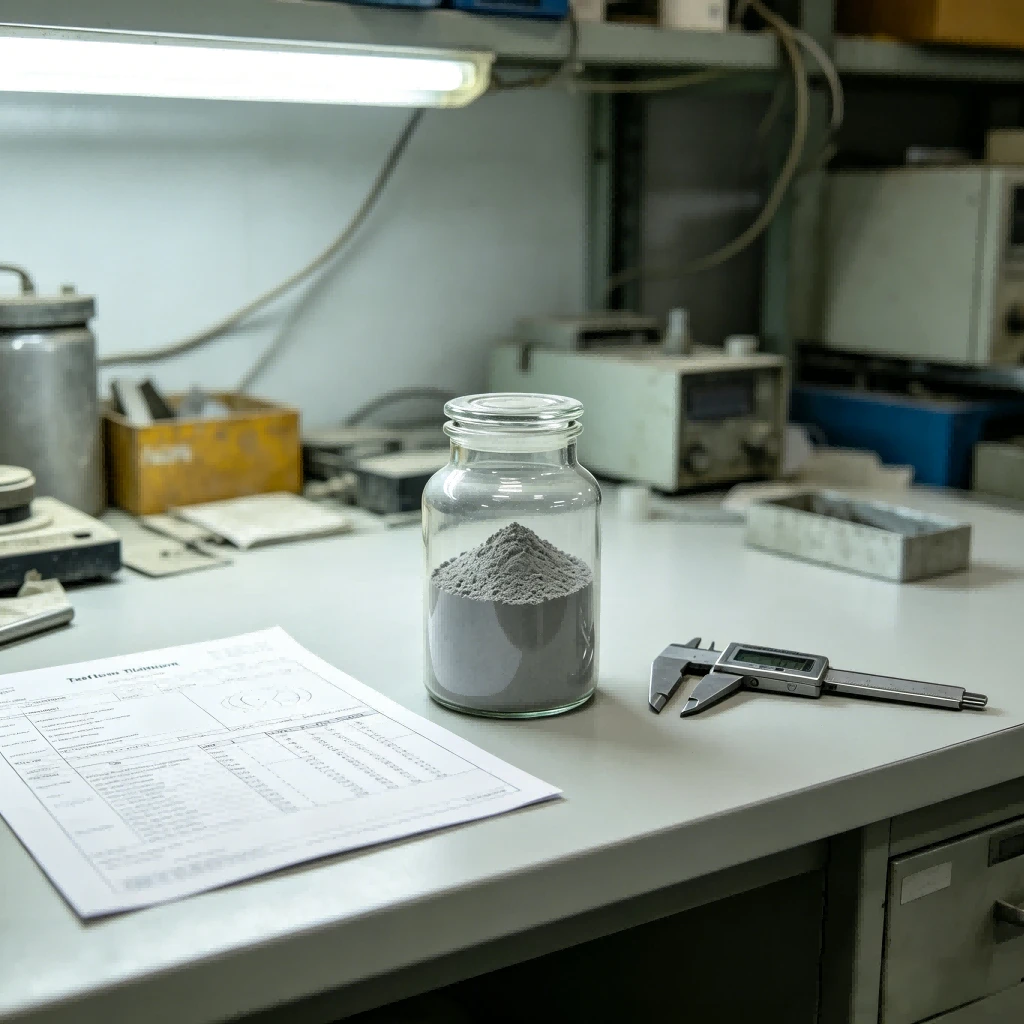
Corrosion is one of the most common causes of equipment failure in industrial applications. Chemical exposure, chloride environments, moisture, and aggressive processing conditions can gradually damage traditional metals, leading to unexpected downtime, replacement costs, and reduced operational efficiency.
Titanium is considered one of the most reliable corrosion resistant materials because it naturally forms a stable oxide layer that protects the surface from many corrosive environments. This passive oxide film allows titanium to maintain structural integrity even when exposed to challenging chemical conditions.
In chemical processing, marine environments, and industrial systems, titanium provides longer service life compared with many conventional metals. This makes titanium suitable for applications where equipment reliability and reduced maintenance requirements are important.
For manufacturers operating chemical plants, processing equipment, or specialized industrial systems, titanium provides a long-term material solution rather than a short-term replacement option.
High Strength-to-Weight Ratio
One of titanium's most valuable advantages is its exceptional strength-to-weight ratio. Titanium provides mechanical strength comparable to many steel alloys while maintaining significantly lower density.
This combination allows engineers to design lighter structures without sacrificing durability. In aerospace applications, weight reduction directly impacts fuel efficiency and system performance. In precision equipment and industrial machinery, lighter components can improve handling, reduce structural loads, and enhance overall efficiency.
Titanium alloy materials such as Grade 5 Ti-6Al-4V offer excellent tensile strength, fatigue resistance, and mechanical stability, making them suitable for demanding applications requiring both strength and reliability.
For industries seeking lightweight and durable solutions, titanium components provide a strong balance between performance and long-term value.

Stable Performance in High-Purity and Demanding Environments
Advanced manufacturing industries increasingly require materials that can maintain stable performance under strict process conditions.
Semiconductor manufacturing, precision equipment production, and high-performance industrial systems often require:
Low contamination risk
Stable surface characteristics
Reliable dimensional accuracy
Consistent material performance
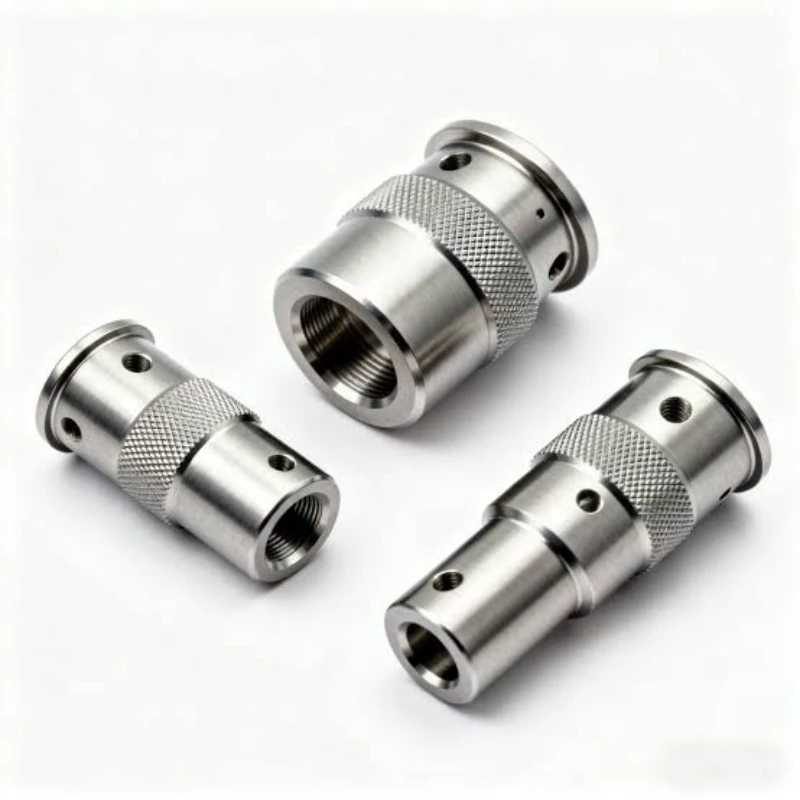
Titanium meets these requirements through its excellent chemical stability and processing capability. Titanium semiconductor components are widely used in applications where cleanliness, corrosion resistance, and precision manufacturing are essential.
For high-tech industries, titanium is not simply a structural material. It is a performance solution that supports more reliable and efficient manufacturing processes.
Titanium vs Traditional Materials: Why Engineers Choose Titanium
Material selection is not only based on initial cost. Engineers and purchasing managers must consider lifecycle performance, maintenance requirements, and long-term reliability.
| Material | Advantages | Limitations |
|---|---|---|
| Stainless Steel | Good strength, availability, cost-effective, widely used | Limited performance in some highly corrosive environments |
| Aluminum | Lightweight, economical, easy to process | Lower strength and temperature resistance compared with titanium |
| Titanium | High strength, excellent corrosion resistance, lightweight, long service life | Higher initial material cost |
Although titanium has a higher initial material cost compared with stainless steel or aluminum, it can provide better lifecycle value through:
Reduced maintenance requirements
Longer equipment service life
Lower replacement frequency
Improved operational reliability
For critical applications where failure creates significant downtime or production losses, titanium often provides a more economical solution over the entire equipment lifecycle.
Titanium Applications Across Industries
Titanium Components for Semiconductor Equipment
Customer Challenges
Semiconductor equipment manufacturers face increasingly demanding requirements for material performance. Equipment components may be exposed to process chemicals, vacuum environments, high temperatures, and strict cleanliness standards.
Key challenges include:
High purity requirements
Chemical exposure resistance
Precision manufacturing requirements
Low contamination risks
Titanium Advantages
Titanium provides stable surface performance, excellent corrosion resistance, and reliable machining capability. These properties make it suitable for semiconductor environments where material stability directly affects production reliability.
Titanium semiconductor components can help manufacturers achieve:
Reduced contamination risks
Improved equipment durability
Reliable operation under demanding conditions
Better compatibility with precision manufacturing processes
Typical Applications
Titanium is commonly used in:
Semiconductor processing components
Precision fixtures
Vacuum equipment parts
Specialized equipment structures
For semiconductor equipment manufacturers, selecting the correct titanium material and manufacturing process is essential for achieving consistent performance.
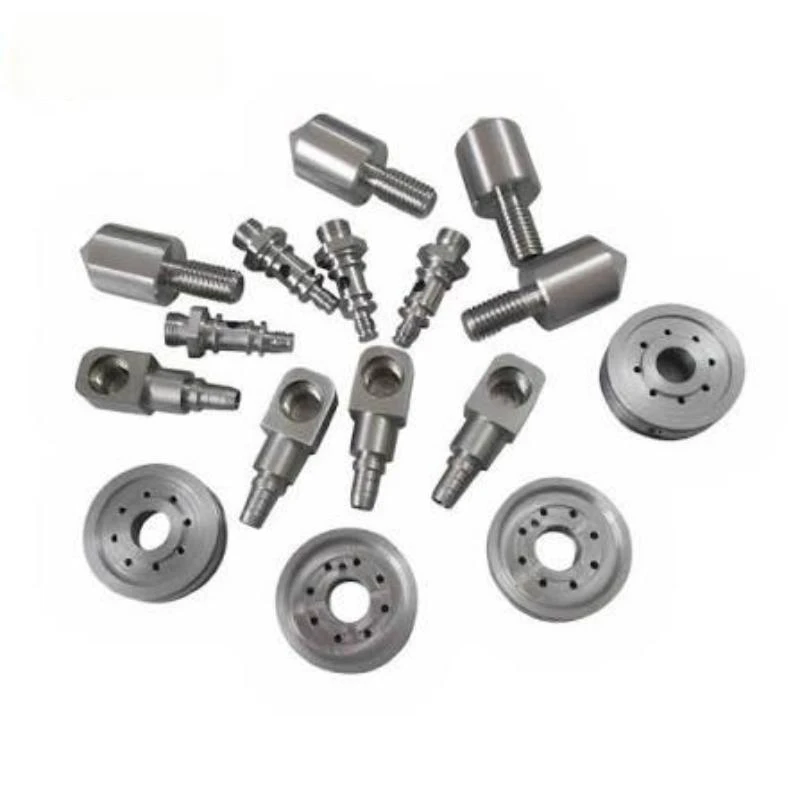
Titanium Chemical Equipment and Corrosion-Resistant Applications
Chemical industries often operate under some of the most challenging material conditions. Equipment may encounter acids, chlorides, solvents, and other aggressive chemicals that can accelerate corrosion and reduce service life.
Why Titanium Is Selected
Titanium chemical equipment is preferred because it provides:
Excellent corrosion resistance
Long-term structural stability
Reduced maintenance requirements
Reliable performance in aggressive environments
Typical Applications
Titanium is widely used for:
Chemical reactors
Heat exchangers
Piping systems
Processing vessels
Industrial processing equipment
Compared with conventional materials, titanium can reduce corrosion-related failures and improve operational efficiency.
For chemical processing companies, titanium provides a dependable solution for applications where equipment reliability and long service life are critical.
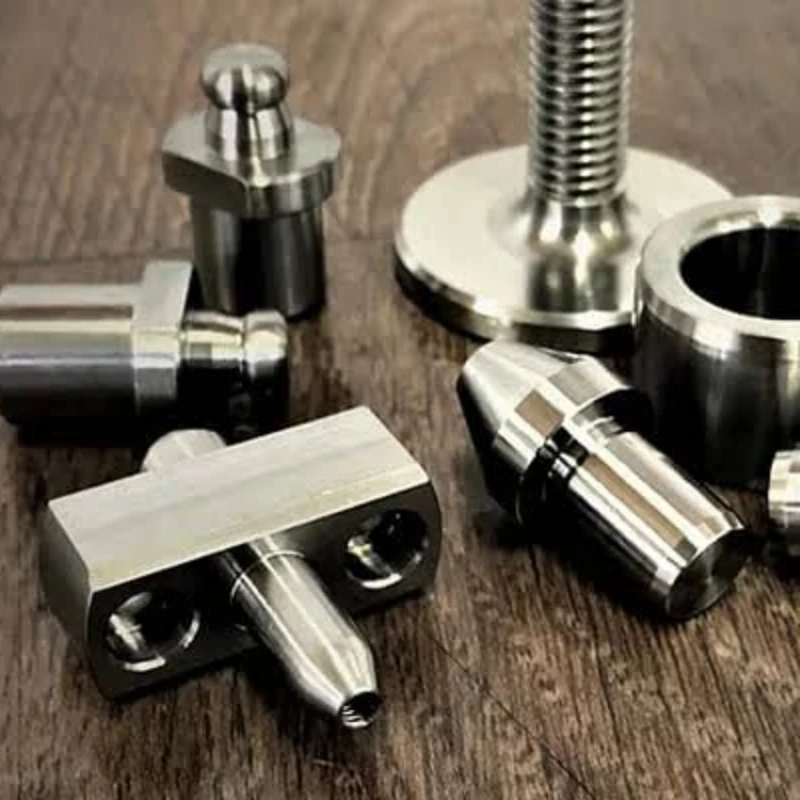
Titanium Components for Medical and Energy Applications
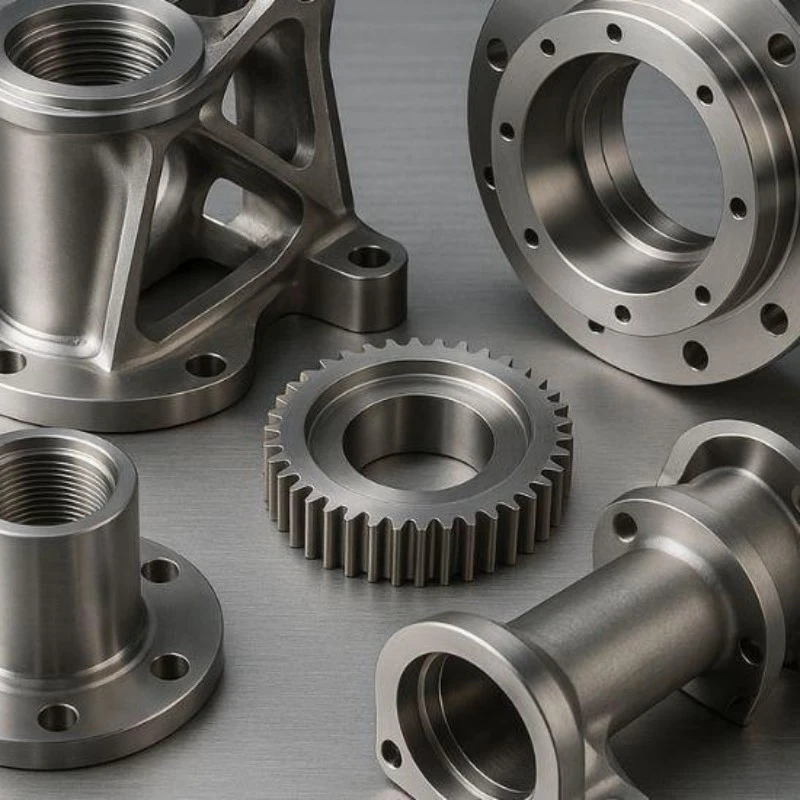
Titanium is widely used in medical and energy industries because of its combination of strength, reliability, and corrosion resistance.
Medical Applications
Medical manufacturers select titanium because of:
Excellent biocompatibility
Long-term reliability
Strong mechanical performance
Titanium alloy materials such as Grade 23 Ti-6Al-4V ELI are commonly used for medical devices, implants, and precision medical components.
Energy Applications
Energy systems often operate outdoors and face environmental challenges such as moisture, temperature changes, and corrosion exposure.
Titanium components provide:
Outdoor durability
Environmental resistance
Long service life
These advantages make titanium suitable for renewable energy systems, industrial energy equipment, and specialized applications requiring stable performance.
Titanium Aerospace and Industrial Applications
Aerospace and advanced industrial manufacturers require materials that combine lightweight characteristics with mechanical strength.
Titanium provides:
Weight reduction
High mechanical strength
Temperature resistance
Long-term reliability
Titanium alloy materials are widely used in aerospace structures, precision components, and industrial systems where performance and safety are essential.
By reducing component weight while maintaining strength, titanium helps manufacturers improve system efficiency and operational performance.
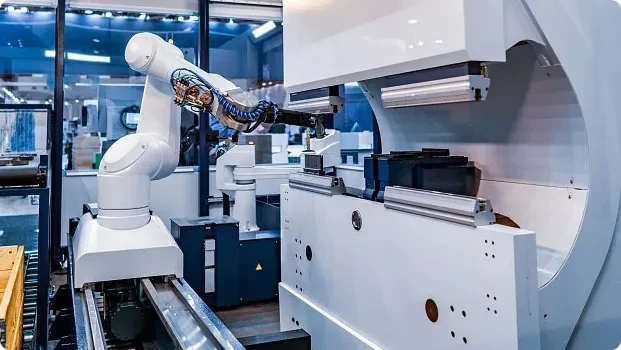
Titanium Alloy Grades and Material Selection Guide
Selecting the correct titanium grade depends on application conditions rather than material price alone. Engineers need to evaluate corrosion environment, mechanical load, temperature requirements, and industry standards.
| Titanium Grade | Main Characteristics | Typical Applications |
|---|---|---|
| Grade 2 Titanium | Excellent corrosion resistance, good ductility, reliable industrial performance | Chemical equipment, heat exchangers, industrial applications |
| Grade 5 Ti-6Al-4V | High strength, excellent durability, strong mechanical performance | Aerospace components, precision parts, industrial applications |
| Grade 23 Ti-6Al-4V ELI | High purity, excellent biocompatibility, improved toughness | Medical applications, biomedical components |
The right titanium grade selection ensures better performance, reliability, and lifecycle value.
Titanium Products and Custom Manufacturing Solutions
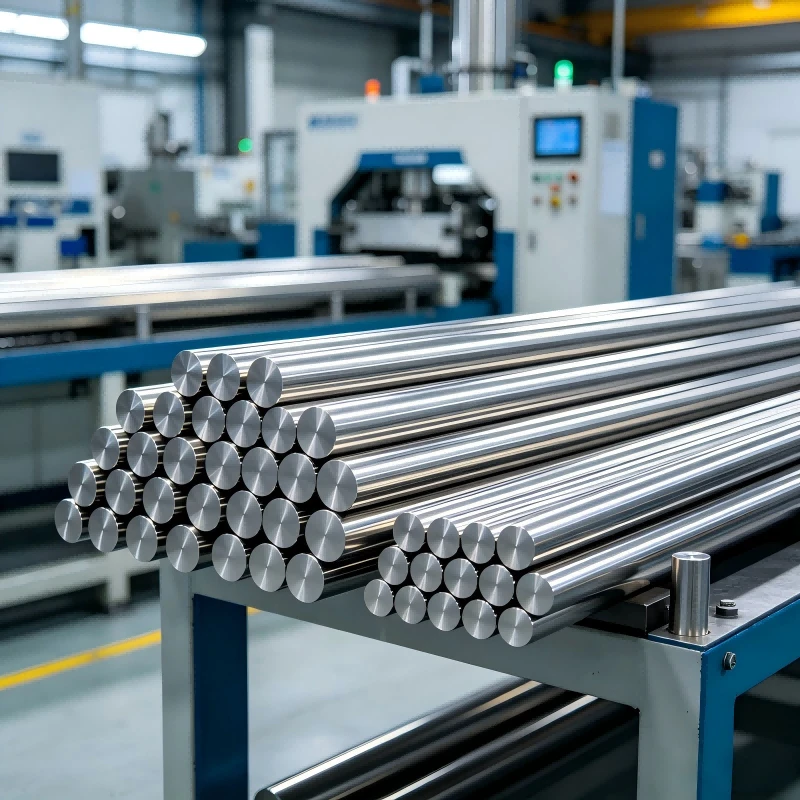
Titanium Sheet and Plate
Titanium sheet and plate are widely used in chemical equipment, aerospace structures, semiconductor systems, and industrial applications.
They provide excellent corrosion resistance, mechanical strength, and dimensional stability.
Customers choose customized titanium sheet and plate solutions when standard sizes cannot meet specific equipment designs, thickness requirements, or performance conditions.
Titanium Rod and Bar
Titanium rod and bar are commonly used as raw materials for machining, structural components, and precision manufacturing.
They are suitable for producing:
Shafts
Fasteners
Industrial parts
Precision components
Customized titanium rod solutions allow manufacturers to meet specific mechanical and dimensional requirements.
Titanium Tube
Titanium tube provides reliable performance for applications requiring corrosion resistance, lightweight structures, and long operating life.
Typical applications include:
Heat exchangers
Chemical processing systems
Aerospace equipment
Industrial piping systems
Customized titanium tube solutions help customers achieve better compatibility with their equipment designs.
Titanium Precision Machined Parts
Complex industrial applications often require finished components rather than standard materials.
Titanium precision machined parts provide:
Accurate dimensions
Complex geometries
Reliable mechanical performance
They are commonly used in semiconductor equipment, medical devices, aerospace systems, and industrial machinery.
China Super Tech provides customized machining solutions based on customer drawings and application requirements.
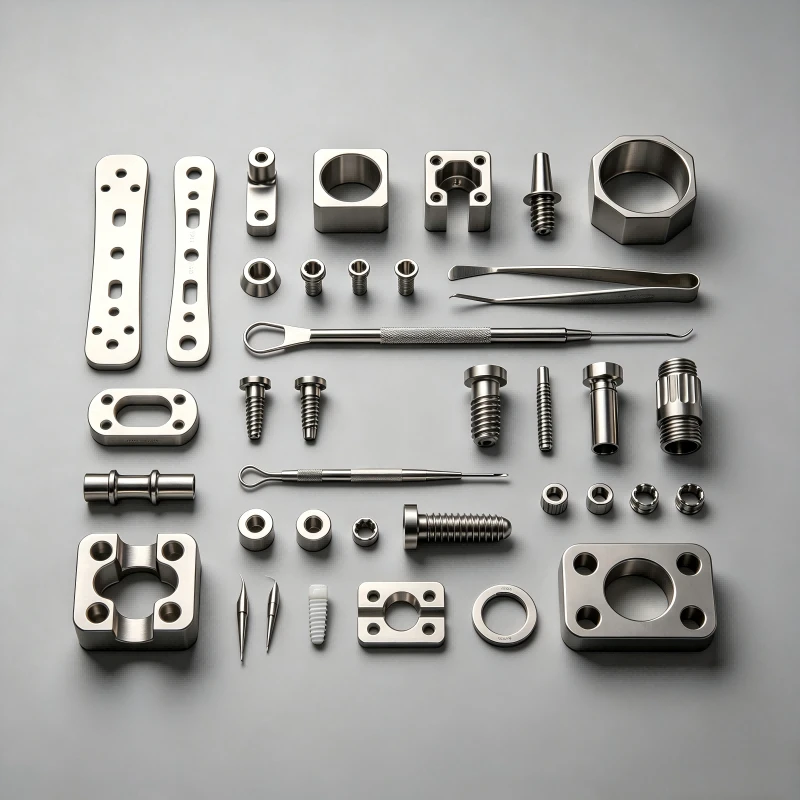
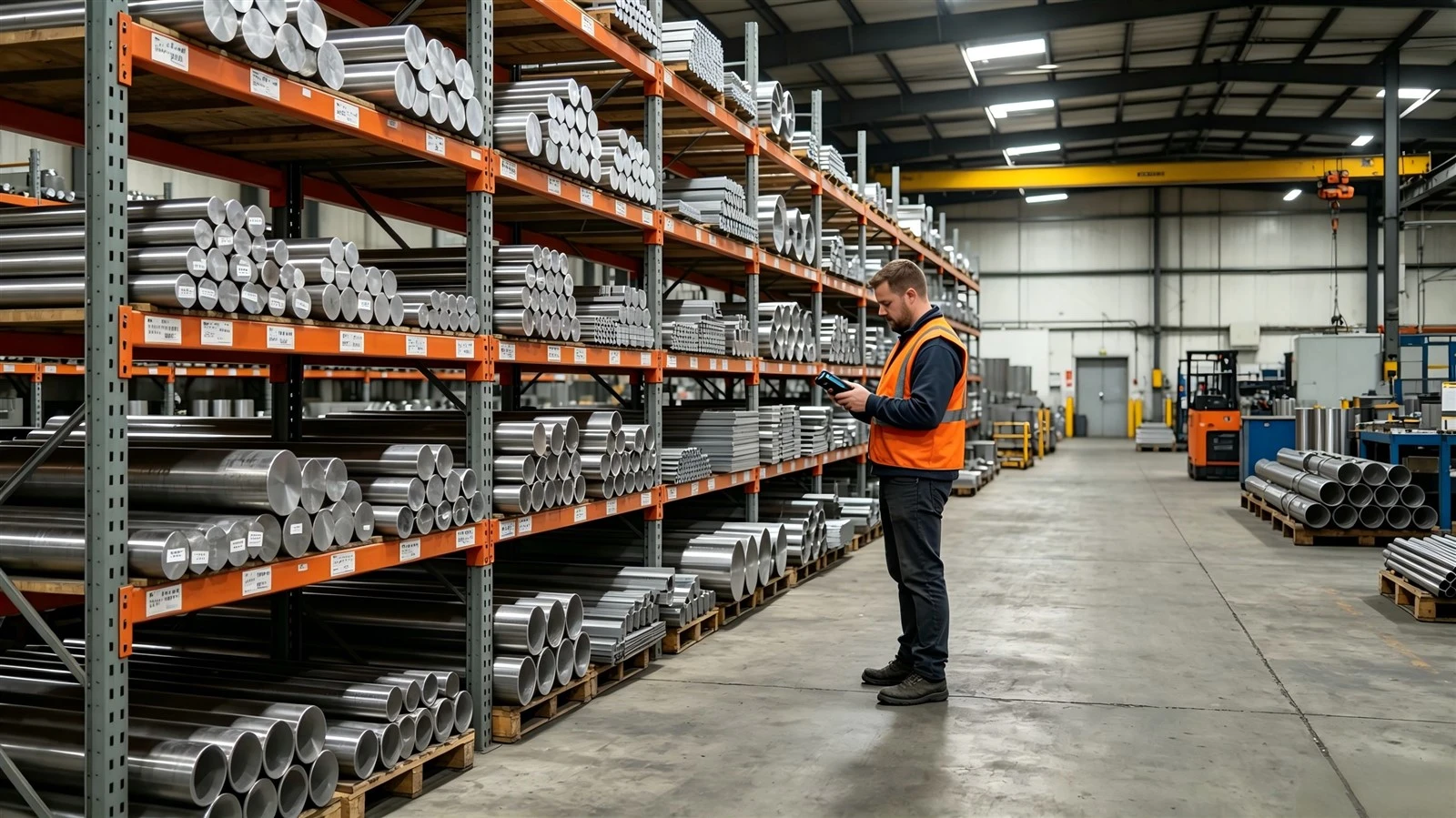
Custom Titanium Manufacturing Capabilities
From Raw Titanium Materials to Finished Components
China Super Tech provides complete custom titanium manufacturing support, helping customers move from material selection to finished components.
Capabilities include:
Titanium Material Selection Support
Engineers assist customers in selecting suitable titanium alloy materials based on corrosion conditions, mechanical requirements, and application standards.
Custom Dimensions
Titanium products can be customized according to drawings, specifications, thickness requirements, and production needs.
CNC Machining and Precision Manufacturing
Advanced titanium machining services support the production of complex titanium precision machined parts with accurate dimensions.
Surface Treatment
Surface finishing processes improve product performance and meet application-specific requirements.
Quality Inspection
Manufacturing processes include inspection procedures to ensure product consistency and reliability.
Quality Control and Manufacturing Standards
Reliable titanium components require strict quality control throughout the manufacturing process.
China Super Tech focuses on:
Material verification
Chemical composition testing
Dimensional inspection
Surface quality inspection
Manufacturing process control
Quality management ensures that titanium products meet customer requirements for performance, reliability, and application suitability.
For demanding industries, consistent manufacturing quality is essential to achieving stable long-term operation.
How to Select the Right Titanium Solution
| Customer Requirement | Recommended Solution |
|---|---|
| Corrosion resistance | Grade 2 Titanium |
| High strength applications | Grade 5 Titanium |
| Medical applications | Grade 23 Titanium ELI |
| Complex precision parts | Custom titanium machining |
Correct material selection depends on:
Operating environment
Mechanical requirements
Temperature conditions
Industry requirements
Expected service life
Choosing the right titanium solution helps manufacturers improve reliability while controlling lifecycle costs.
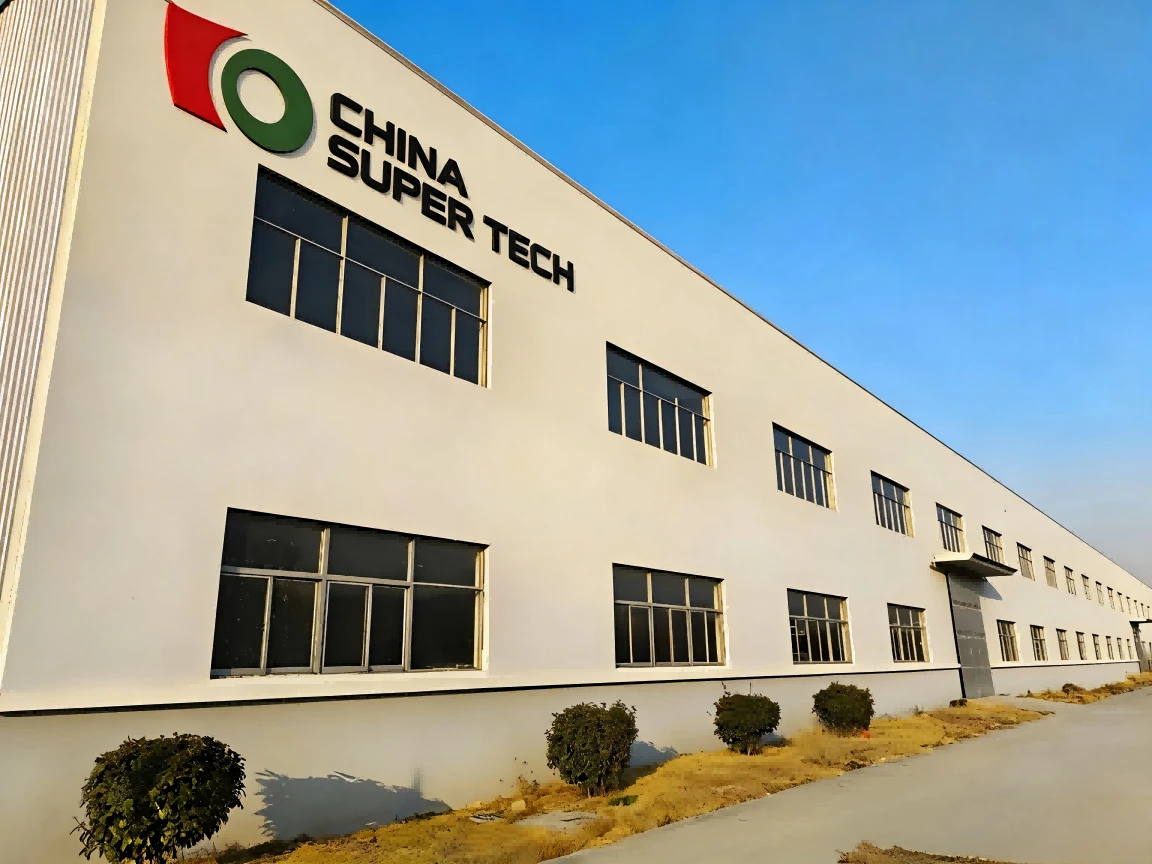
Why Choose China Super Tech for Titanium Solutions
China Super Tech provides application-focused titanium solutions for customers requiring advanced materials and customized components.
Key advantages include:
Advanced material expertise
Customized manufacturing support
Engineering communication
Flexible production capability
Application-focused solutions
Rather than supplying only raw materials, China Super Tech helps customers identify suitable titanium materials, optimize designs, and develop reliable finished components.
FAQ
Why is titanium preferred over stainless steel in some applications?
Titanium is preferred over stainless steel when applications require higher corrosion resistance, lower weight, or longer service life. Although titanium has a higher initial cost, it can provide better lifecycle value by reducing maintenance requirements and preventing corrosion-related failures in demanding environments.
Why is titanium used in industrial applications?
Titanium is used in industrial applications because it combines corrosion resistance, high strength-to-weight ratio, and stable performance. It is suitable for chemical equipment, semiconductor systems, aerospace components, and industrial machinery where reliability and long-term performance are required.
What titanium grade is suitable for chemical equipment?
Grade 2 titanium is commonly selected for chemical equipment because it provides excellent corrosion resistance and reliable performance in industrial environments. The final material choice should consider chemical exposure, temperature, pressure conditions, and equipment requirements.
Can titanium components be customized according to drawings?
Yes. Titanium components can be customized according to customer drawings through precision machining, forming, cutting, and surface treatment processes. China Super Tech provides custom titanium components designed for specific application requirements.
Is titanium suitable for semiconductor manufacturing?
Yes. Titanium is suitable for semiconductor manufacturing because it offers stable surface performance, corrosion resistance, low contamination risk, and good machining capability. Titanium semiconductor components are used in precision equipment and advanced manufacturing systems.
What are the advantages of titanium components?
Titanium components provide lightweight strength, corrosion resistance, durability, and reliable performance in demanding environments. They help manufacturers reduce maintenance costs and improve equipment reliability.
What is the difference between Grade 2 and Grade 5 titanium?
Grade 2 titanium focuses on corrosion resistance and is commonly used in chemical and industrial applications. Grade 5 titanium provides higher strength and is preferred for aerospace, precision components, and applications requiring superior mechanical performance.
How can I choose the right titanium solution?
The right titanium solution depends on operating environment, mechanical requirements, temperature, and industry standards. Engineers should evaluate application conditions rather than selecting materials based only on purchase price..
Request a Customized Titanium Solution
Request a customized titanium solution based on your application requirements, operating environment, and performance goals. China Super Tech provides titanium materials and precision components for demanding industrial applications.
📩 sales@moly-tungsten.com|+86 13436334453|https://www.moly-tungsten.com/