




Titanium Alloy Vs Traditional Metals: A Buyer’s Guide For More Durable Solar Equipment Components
 Jul 20, 2026|
 For procurement decision-makers in solar EPC, O&M, and equipment manufacturing, selecting structural materials is never just a simple math problem based on upfront costs. At face value, hot-dip galvanized steel and aluminum alloys offer lower initial purchase prices. But over the true lifecycle of a utility-scale plant, material degradation often translates into massive maintenance overhead and invisible energy yield losses.
This guide cuts through the marketing fluff to compare titanium alloys against traditional metals in real-world solar applications-backed by hard data and project cases-to help you make an informed sourcing decision.
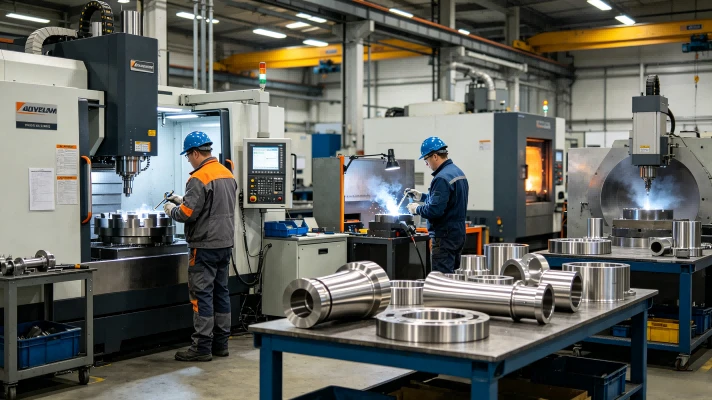
The Hidden Costs of Traditional Metals in Solar Projects Currently, ground-mounted and Cop PV projects still rely heavily on hot-dip galvanized steel, 6061/6063 aluminum, and 304/316 stainless steel. Based on field feedback from our projects in the Middle East, Australia, and Northwest China, these materials show unavoidable weaknesses in specific environments:
Corrosion fails faster than expected: In coastal high-salinity (C4/C5) zones, even 316 stainless steel frequently develops chloride pitting and weld cracking within 18 months of operation. In the Red Sea coastal PV farms of Saudi Arabia, standard galvanized steel coatings typically deplete within 5–7 years, leading to substrate rust, cross-section loss, and reduced wind-load resistance.
Abrasion kills tracking accuracy: In sandy regions like Inner Mongolia and the Qaidam Basin, 6061 aluminum mounts suffer wall-thickness wear of 0.2–0.3mm annually due to wind-driven sand. This increases backlash in single-axis trackers, degrading sun-tracking accuracy by ~8% and cutting annual yield per bracket by over 15%.
Replacement costs destroy OPEX budgets: For a 100MW desert plant, using standard steel usually requires two or more major anti-corrosion overhauls or component replacements within a 25-year PPA. With logistics and labor in remote areas, replacing a single failed structure can cost $1,500–$2,000. Five-year maintenance bills often exceed eight figures.
In short: traditional metals are cheap to buy, but expensive to own.
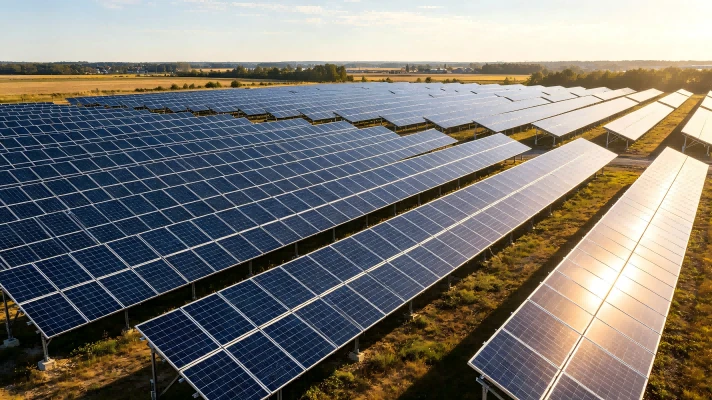
Why Titanium? Product Characteristics That Solve Real Pain Points
Titanium alloys (Commercially Pure Grades 1–4, TC4/Gr5) entered the solar hardware space not as a lightweight gimmick, but as a structural solution. Here is why:
Self-Healing Corrosion Resistance: Titanium instantly forms a dense titanium dioxide (TiO₂) passive film. This layer self-repairs if damaged, offering absolute zero pitting in salt spray, acid rain, and hydrogen sulfide environments.
High Specific Strength Lowers BOS Costs: TC4 titanium yields >830 MPa-twice that of 304 stainless-yet its density is only 57% of steel. Thinner profiles can handle the same loads, reducing mount weight by 30%+ and directly saving on concrete foundations and installation labor.
Thermal Stability Protects Yield: Aluminum expands and contracts significantly. In deserts with 40°C+ daily swings, this causes racking distortion. Titanium's thermal expansion coefficient is half that of aluminum, keeping tracker geometry precise year-round.
High-Temp & Non-Magnetic: For Concentrated Solar Power (CSP) receivers and heat-transfer tubes, titanium operates without oxidation at 400–500°C. Its non-magnetic nature also makes it ideal for inverter housings and combiner boxes where signal interference must be avoided.
2GW Desert Solar Park, Qinghai, China
Located in a high-UV, abrasive environment, the developer initially tested galvanized steel and aluminum-both showed coating chalking and bolt-hole rust within three years. They switched to micro-arc oxidized TC4 titanium C-channels and fasteners supplied by China Super Tech Co., Ltd. Post-3-year inspection: wall thickness wear was <0.1mm; fastener torque retention exceeded 98%; zero anti-corrosion maintenance was required. The owner calculated that despite a ~2.1x higher initial material cost, the annualized lifecycle cost was actually 25% lower than the aluminum option.
Near-Shore PV Farm, Northern Territory, Australia
Facing monsoon winds and salt-laden air, a 500MW project moved from duplex stainless columns to titanium-clad steel structures using Gr2 pure titanium as the wetted/corroded media. Since commissioning, there have been zero unplanned downtimes caused by stress corrosion cracking (SCC), proving titanium's reliability in aggressive marine atmospheres.
Procurement Logic: When Should You Specify Titanium?
You don't need to rebuild every mount in titanium. Smart procurement means calculating Total Cost of Ownership (TCO) and protecting the weak links:
|
Application Scenario |
Recommended Solution |
Rationale |
|---|---|---|
|
Coastal, Fishery, Floating & Offshore PV |
Full Titanium / Ti-Clad structures |
Eliminate chloride corrosion; achieve 25-year maintenance-free operation. |
|
Deserts, High UV, Heavy Sand |
Aluminum rails + Titanium hinges/fasteners |
Stop galvanic and abrasive wear; maintain tracker precision. |
|
CSP Collectors & Heat Exchangers |
Titanium + Niobium/Tantalum alloys |
Withstand 500°C operating temps and molten salt corrosion. |
|
Standard Utility Plants |
Steel/Aluminum mix + Ti critical linkages |
Balance CAPEX while securing long-term structural integrity. |
About China Super Tech Co., Ltd.: Your One-Stop Metal Solutions Partner
To meet the international demand for high-performance solar metals, China Super Tech Co., Ltd. operates a vertically integrated supply chain covering melting, forging, and precision machining.
Beyond our core expertise in Titanium & Titanium Alloys (sheet, bar, tube, forgings, custom fasteners), we also manufacture synthetic diamonds (for PV wafer slicing consumables), Niobium, Tantalum, and Zirconium products. We support CSP, green hydrogen, and semiconductor-grade solar equipment with a single material sourcing window.
Our capabilities directly address your sourcing pain points:
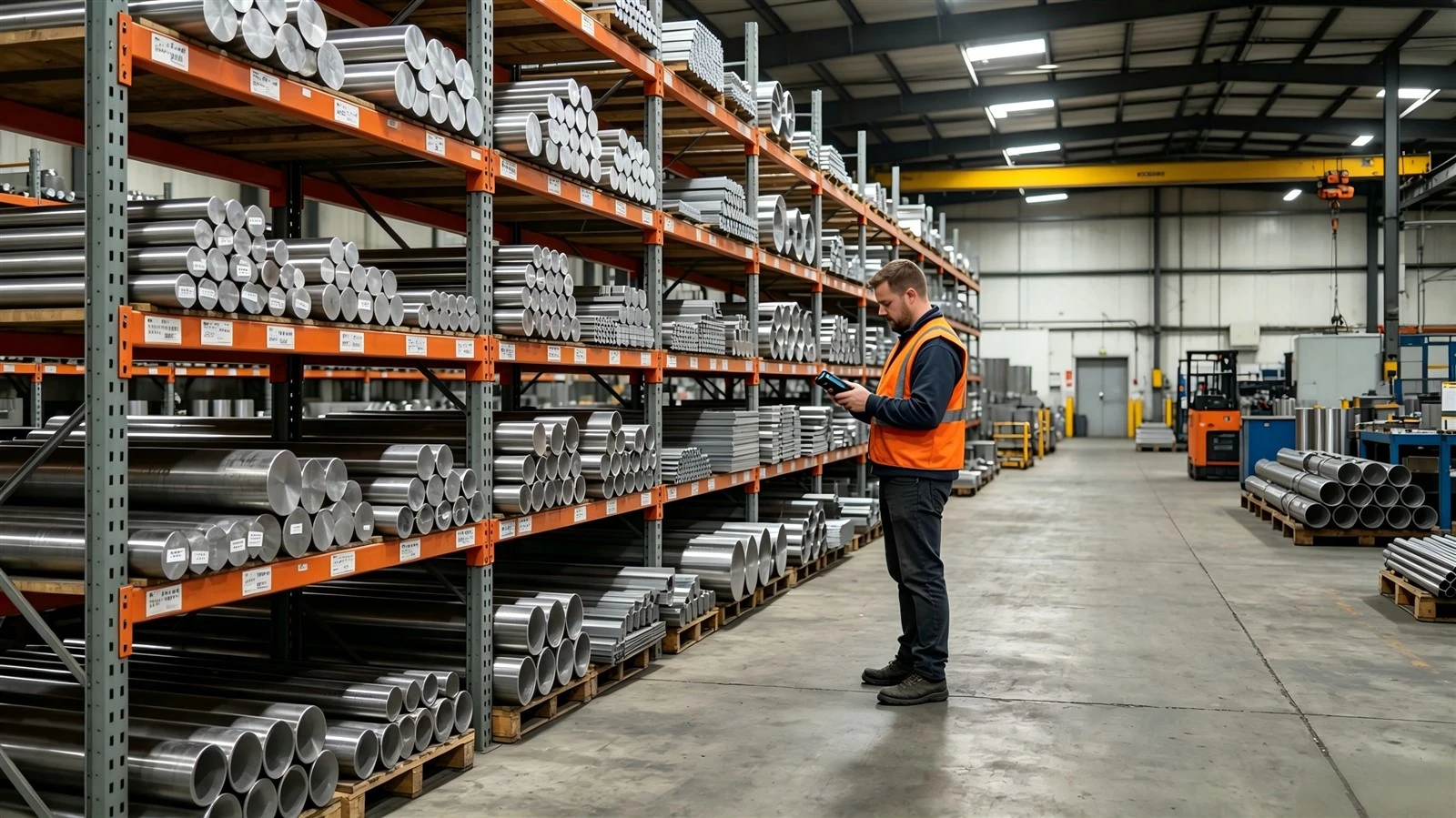
Massive Inventory & Full Specs: We stock Gr1–Gr5, TA/TC series in compliance with ASTM, AMS, and GB standards. Standard products ship globally within 7–15 working days.
Custom Engineering: From material selection and micro-arc oxidation to finished CNC machining, we turn your EPC drawings into deliverable parts-cutting out multi-vendor coordination headaches.
Quality & Compliance: All shipments include EN 10204 3.1/3.2 MTCs and third-party inspection reports (SGS/BV available), meeting export requirements for North America, Europe, the Middle East, and Australia.