




G.657.A2 Fiber For Compact FTTH: When 7.5 mm Matters
 Oct 14, 2026|
 A fiber connection may fit inside an FTTH distribution box on paper but become difficult to install when the actual routing space is limited. The problem can arise around a wall-mounted terminal, inside a compact enclosure, or along an indoor route where multiple fibers must share a narrow space.
For FTTH cable manufacturers, telecom contractors, distributors and procurement engineers, the decision is not simply whether bend-insensitive fiber is desirable. It is whether the project needs the tighter bending performance of G.657.A2 or whether G.657.A1 already meets the installation requirements.
The distinction matters because selecting a fiber category is only one part of a reliable optical connection. Cable construction, installation procedures and specified optical performance must also be considered.
1. Why Compact FTTH Installations Need a Closer Look
 |
FTTH networks include outdoor distribution, building entry, drop cables, indoor routing and subscriber terminals. Each section presents different space and handling constraints. Compact distribution boxes: Incoming and outgoing fibers must be routed around internal components without violating the specified bend limits. Indoor routing: Limited space behind a wall-mounted terminal or inside a shallow enclosure may restrict the available routing path. High-density distribution: Multiple connections sharing limited cable-management space can make consistent routing more difficult. |
These conditions do not automatically require G.657.A2. If the design provides sufficient clearance for the required bend radius, G.657.A1 may be adequate.
Recent fiber-network investment provides broader procurement context, but investment announcements alone do not prove a specific demand for A2. The need for this fiber category must be determined from the installation design and applicable project specifications.
The practical question is: Does the planned fiber route require a smaller design bend radius than G.657.A1 provides?
2. When Does a 7.5 mm Bend Radius Provide Practical Value?
|
Under ITU-T G.657 (08/2024), G.657.A1 and G.657.A2 belong to Category A bend-insensitive single-mode fiber. Their commonly referenced minimum design radii are:
The smaller design radius can provide additional routing flexibility when a project genuinely requires tighter bends. For example, a compact indoor terminal may have limited clearance around internal guides. If the approved design requires a radius between 7.5 mm and 10 mm, G.657.A2 is the category to evaluate. |
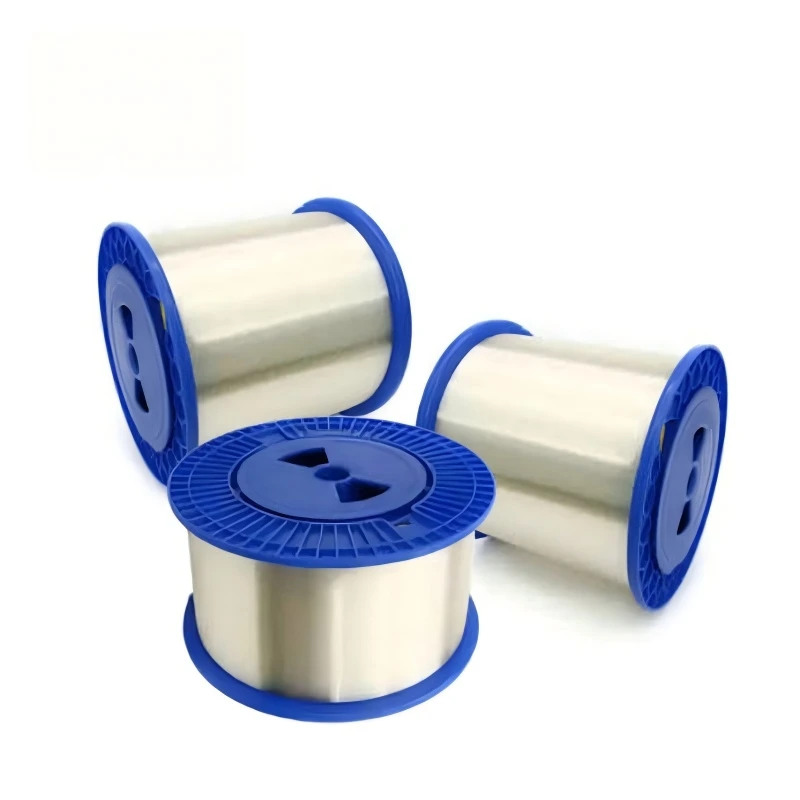
Optical fiber spool configuration should be confirmed when preparing a purchase specification. |
These figures are not universal installation instructions. A minimum design radius is not permission to bend fiber indefinitely or to disregard pulling tension, cable construction, connector requirements or the cable supplier's handling instructions.
A further distinction is essential: bare optical fiber and finished optical cable are different products. Jackets, strength members, buffer tubes, ribbon structures and other cable components affect the finished cable's dimensions and handling characteristics. A fiber category alone cannot confirm that a complete cable assembly is suitable for a particular enclosure.
Selection principle: If the design requires a radius between 7.5 mm and 10 mm, evaluate G.657.A2. If a radius of 10 mm or greater is sufficient, G.657.A1 may meet the requirement. For requirements below 7.5 mm, obtain further engineering review instead of assuming A2 is suitable.
3. G.657.A1 vs G.657.A2: A Project-Based Selection Table
Use the actual installation conditions to guide the initial selection. Confirm all final requirements against the applicable fiber and cable specifications.
| Project condition | Information to confirm | Selection direction | Before purchasing |
|---|---|---|---|
| Standard FTTH routing | Minimum design radius | Evaluate A1 first if 10 mm or greater is sufficient | Confirm optical and mechanical requirements |
| Compact distribution box | Internal clearance and routing path | Evaluate A2 if the design requires less than 10 mm | Check the finished cable's permitted bend radius |
| Wall-mounted terminal | Space behind the terminal and cable exit direction | A1 or A2, depending on the actual route | Confirm installation instructions |
| High-density distribution | Fiber count, tray layout and management method | Consider A2 where tighter routing is necessary | Verify the complete cable and system design |
| Existing G.652.D network | Compatibility and system parameters | Evaluate Category A against the project specification | Confirm the applicable standard and product documents |
| Required radius below 7.5 mm | Exact radius, handling method and product limits | Do not assume A2 is sufficient | Request engineering review and documented limits |
The final decision must account for optical requirements, cable construction, installation methods and applicable project acceptance criteria-not just the fiber grade.
4. Why Fiber Grade Alone Cannot Determine System Performance
 |
A tighter bend specification addresses one part of the installation problem: macrobending performance under defined conditions. It does not automatically establish the performance of the finished link. Optical requirements: Specify operating wavelengths, attenuation limits and other applicable transmission parameters. Cable construction: Confirm whether the purchase is for bare optical fiber or a finished cable assembly. Cable diameter, strength members, jacket and internal structure affect installation. Installation method: Review routing drawings, pulling conditions, storage loops, connectorization and splicing procedures. Acceptance criteria: Define applicable optical tests, inspection records and required delivery documentation. |
Where the project requires G.652.D compatibility, verify it against the applicable ITU-T recommendation and the specific product documentation. Do not assume that a fiber category alone establishes compliance with every project requirement.
5. What Should Buyers Include in an RFQ?
|
A useful request for quotation should provide enough information for a supplier to evaluate the product without guessing at the intended application.
|

Confirm spool length, packaging, labeling and handling requirements before ordering. |
If the project is still at the design stage, send the available drawings and indicate which specifications remain open. This allows the supplier to distinguish confirmed requirements from items that need engineering review.
RFQ Information Checklist
□ Application and intended cable use
□ Fiber grade and applicable standard
□ Minimum design bend radius
□ Operating wavelengths and attenuation limits
□ Required quantity and length per spool
□ Packaging and labeling requirements
□ Destination and target delivery date
□ Required datasheets, inspection records or certificates
6. G.657.A1 and G.657.A2 Fiber Supply from China Super Tech
| |
China Super Tech supplies optical fiber products including G.657.A1 and G.657.A2 for customers evaluating FTTH, access-network and space-constrained routing applications. The appropriate product should be assessed against the required fiber category, optical parameters, intended cable structure and project acceptance criteria. Buyers can discuss required quantities, spool or reel packaging, labeling, documentation and delivery arrangements when requesting a quotation. Availability, lead time and compliance documentation should be confirmed for the specific order. |
For broader product evaluation, visit the China Super Tech optical fiber range.
7. Make the Selection Against Your Actual FTTH Design
G.657.A2 fiber for FTTH is worth evaluating when compact enclosures, restricted indoor routing or high-density distribution create a documented need for a design bend radius below 10 mm.
Where the installation can maintain 10 mm or more, G.657.A1 may already meet the requirement. Where the design calls for less than 7.5 mm, further engineering review is necessary.
The most reliable purchasing decision begins with the routing drawing, the required optical performance and the finished cable specification. Confirm these items before comparing quotations.
Request a G.657.A2 Fiber Quote
Send China Super Tech your application, required fiber category, bend-radius requirement, optical specifications, quantity, packaging preferences and delivery destination. Share your project specifications so the appropriate product and supply arrangement can be reviewed.
View G.657.A2 Fiber Compare G.657.A1
Final optical and mechanical requirements should be confirmed against the applicable product specification and agreed purchase requirements.