




Your Fiber Supply Is Stable. What If Your Only Supplier Can't Deliver?
 Nov 09, 2026|
If your FTTH cable production has been running smoothly with one optical fiber supplier, changing suppliers may seem unnecessary. Your purchasing team already knows the ordering process, your engineers understand the material specifications, and your quality team has established inspection procedures.
But relying on a single source creates a procurement risk that is easy to overlook when everything is going well. What happens if your supplier cannot meet a new delivery schedule, your project suddenly requires additional fiber, or you need to compare alternative supply arrangements?
Evaluating a second source does not mean replacing your existing supplier. It means having another qualified supply option available before a supply problem affects your production schedule.
|
|
Why Consider Another Supply Source?An established optical fiber supplier brings several advantages. Your purchasing team knows the ordering process, your engineering department is familiar with the material specifications, and your quality team has already established inspection procedures. There is little reason to disturb a supply arrangement that meets your requirements. However, procurement conditions can change. A new cable project may require additional material, purchasing schedules may become more complicated, or your company may want to review alternative supply arrangements for future orders. Having another potential source that has already undergone internal evaluation can give your purchasing team more flexibility. |

The Real Challenge: A Second Supplier Must Not Create a Second Quality Problem
For an FTTH cable producer, adding another bare optical fiber supplier is not simply a matter of finding someone who can offer a competitive price. The new source must be evaluated against the requirements of your existing cable products and production process.
A purchasing team may focus on price and availability. Engineering may prioritize fiber category, optical performance, coating diameter, and bending requirements. Quality control may want to know whether the incoming material can be checked using the company's existing inspection procedures.
These priorities are all reasonable. The difficulty is making sure they are checked together before a new source is approved.
| Department | Main concern | What to confirm |
| Procurement | Price, supply availability, order flexibility | Product scope, quotation details, order quantity and supply arrangements |
| Engineering | Fiber category and cable design requirements | G.657 category, optical parameters, coating diameter and application requirements |
| Quality control | Incoming inspection and material consistency | Available specifications, inspection criteria and sample evaluation results |
A New Supplier Should Fit Your Existing Purchasing ProcessOne common mistake is evaluating a second source only when an urgent order appears. At that point, your team may have little time to compare specifications, request samples, or complete internal checks. A more practical approach is to review a potential supplier while your current supply arrangement is still stable. This gives engineering and quality teams time to identify differences and decide whether additional evaluation is necessary. The objective is not to make an immediate purchasing commitment. It is to establish whether the alternative source is suitable for future orders, backup procurement, or a specific project. |
|

Five Checks Before You Approve a Second Bare Optical Fiber Supplier
Rather than comparing suppliers based on a quotation alone, use the following five checks to determine whether another source is worth moving forward with.
|
|
Step 1. Confirm the Exact Fiber CategoryDo not begin with a general request for single-mode optical fiber. Identify the exact fiber category used in your cable design. For example, G.657.A1 and G.657.A2 are both bend-insensitive single-mode fiber categories, but they have different bending-related requirements. They should not be treated as interchangeable simply because both are used in FTTH-related applications. Tell the potential supplier whether you require G.657.A1, G.657.A2, or another specified category. Also confirm whether your project requires compatibility with G.652.D. |
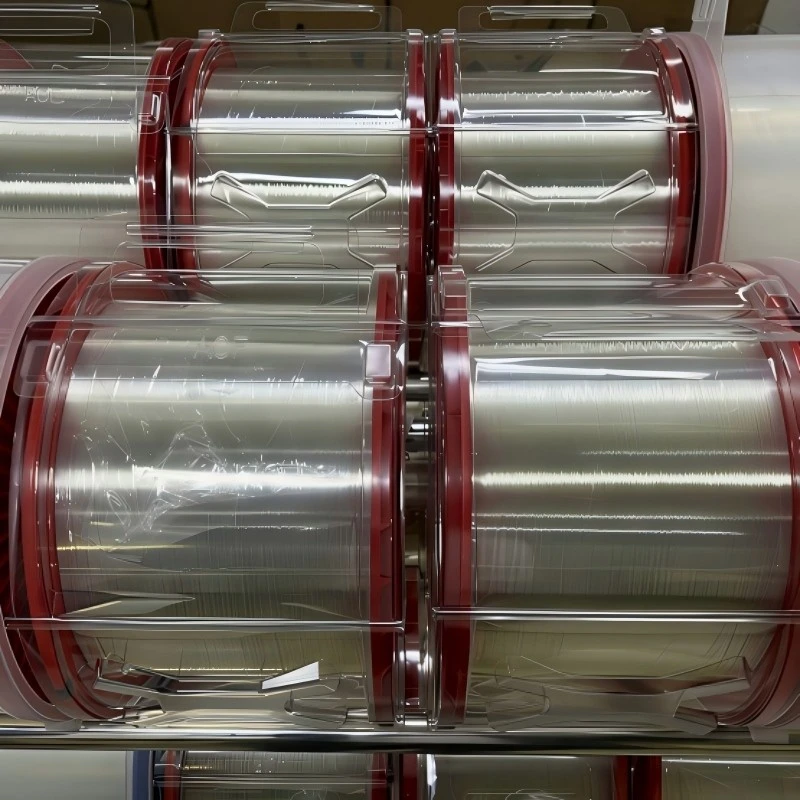
Step 2. Compare the Specifications, Not Just the Product NameTwo quotations may both describe G.657.A2 fiber, but that does not automatically mean every product detail is identical. Ask for the available product specifications and compare the relevant parameters against your approved material requirements. These may include:
Do not assume that a coating diameter, tolerance, or inspection condition is guaranteed by the fiber category itself. Confirm these details against the supplier's specifications and your own purchasing requirements. |
|

Step 3. Check Whether the Supplier Can Support Your Order Requirements
A second source may be useful for a planned project, an additional production order, or a small trial purchase. But its practical value depends on whether the supplier can support the quantity and product configuration you actually need.
Before proceeding, ask:
- Can the supplier quote the required fiber category and coating configuration?
- Can the supplier review your requested order quantity?
- Are samples available for preliminary evaluation?
- Can the supplier clarify the applicable packaging and delivery arrangements?
Do not assume that every supplier accepts every order quantity. Confirm the specific arrangement directly before including it in your procurement plan.
Step 4. Request Samples Before Making a Purchasing Decision
A sample gives your engineering and quality teams an opportunity to review the proposed material before a larger order is considered.
However, sample evaluation should follow your company's own inspection and approval procedures. A preliminary sample review is not the same as full production qualification.
When requesting a sample, specify:
- G.657.A1 or G.657.A2 fiber category
- Required coating diameter, such as 200 μm or 250 μm, if applicable
- Relevant optical and mechanical requirements
- Sample quantity and intended evaluation purpose
- Any documentation required by your quality team
This helps the supplier understand what you need and reduces the risk of receiving a sample that does not match your evaluation plan.
Step 5. Define When the Second Source Can Be Used
After technical and quality evaluation, your company can decide how the alternative source should be used. It does not have to replace the existing supplier.
For example, your procurement team may consider the new source for:
- Additional material requirements for a new FTTH cable project
- Small trial orders before a larger purchasing decision
- Alternative sourcing when the regular supplier cannot meet a specific requirement
- Future procurement comparisons and supply planning
The final decision should be based on your internal approval process, confirmed product specifications, sample evaluation, and actual supply arrangements.
Which G.657 Fiber Should You Evaluate?
If your FTTH cable production uses bend-insensitive single-mode fiber, G.657.A1 and G.657.A2 are two categories worth distinguishing during supplier evaluation. The appropriate choice depends on your cable design and project requirements.
|
|
G.657.A1 Bare Optical FiberG.657.A1 is a bend-insensitive single-mode fiber category designed for applications requiring improved bending performance while maintaining G.652.D compatibility. The minimum design radius commonly specified for G.657.A1 is 10 mm. Actual installation and test conditions should be checked separately against the applicable specification. When evaluating this product as a second source, confirm the coating configuration, optical parameters, and project-specific requirements with the supplier. View G.657.A1 Fiber |
G.657.A2 Bare Optical FiberG.657.A2 is designed for applications requiring tighter bending performance than G.657.A1. It may be considered for compact FTTH cable designs and space-constrained routing applications, subject to the cable design requirements. The minimum design radius commonly specified for G.657.A2 is 7.5 mm. This design value should not be confused with every installation, handling, or test condition. For supplier comparison, confirm the applicable optical requirements, coating configuration, and sample evaluation criteria before placing an order. View G.657.A2 Fiber |
|

A Second Source Is a Procurement Option, Not an Immediate Supplier Replacement
The purpose of evaluating another optical fiber supplier is to reduce dependence on a single supply arrangement while protecting your existing product and quality requirements.
You do not need to change your current supplier to begin this process. You can first compare product specifications, request a quotation, review sample availability, and determine whether the alternative source is suitable for your future purchasing needs.
For FTTH cable producers, this preparation can make future procurement decisions more flexible. More importantly, it allows your purchasing, engineering, and quality teams to evaluate a potential source before an urgent supply situation occurs.
Looking for an Alternative G.657.A1 or G.657.A2 Fiber Supply Source?
China Super Tech Co., Ltd. supplies bare optical fiber for buyers evaluating G.657.A1 and G.657.A2 options for FTTH and optical cable applications.
If your company is reviewing a second source, you can share your current material requirements with our team. We can review the requested fiber category and product configuration, and discuss the available specifications, sample requests, and quotation requirements.
To help us review your inquiry, please provide:
- Required fiber category: G.657.A1 or G.657.A2
- Coating diameter: 200 μm, 250 μm, or another specification
- Required optical and mechanical parameters
- Estimated sample or purchasing quantity
- Intended application: FTTH drop cable, indoor cable, or another cable type
- Required documentation or inspection criteria
- Target purchasing schedule, if available
Providing these details will help us understand your requirements and respond more accurately.
Review G.657.A1 Supply Review G.657.A2 Supply Explore Optical Fiber Products