




Bend-Insensitive Fiber Optic Cable Vs Standard Fiber Cable: Which Is Better For Tight-Routing Applications?
 Aug 31, 2026|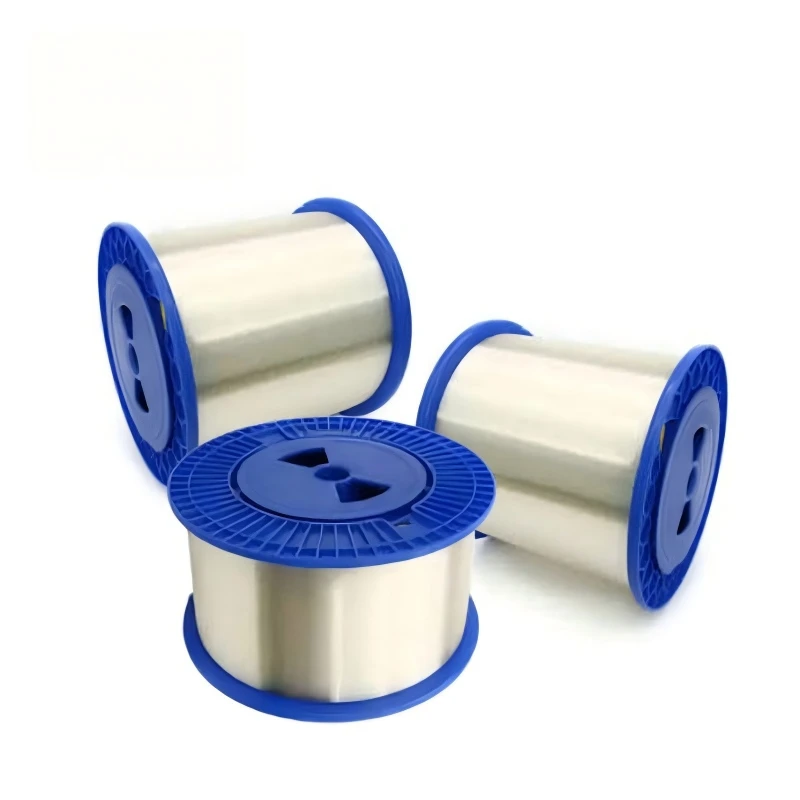
When fiber has to pass through compact cabinets, FTTH distribution boxes, indoor routes or high-density data center spaces, the choice between standard single-mode fiber and bend-insensitive fiber becomes an installation decision rather than simply a price comparison
Standard Fiber Cable vs Bend-Insensitive Fiber Optic Cable
Traditional single-mode fiber is widely used when recommended routing conditions can be maintained. Bend-insensitive fiber is designed to reduce bending-related optical loss when installation space is restricted.
| Item | Standard Fiber Cable | Bend-Insensitive Fiber Optic Cable |
|---|---|---|
| Typical fiber standard | G.652.D | G.657.A1 / A2 / B3 |
| Tight routing | More routing restrictions | Better suited |
| Compact FTTH boxes | Requires careful routing | More flexible |
| High-density cabling | Greater bend-radius control | Better routing tolerance |
| Bending-related loss | More sensitive | Reduced |
| Typical selection logic | Standard routing space | Space-constrained routing |
A bend-insensitive fiber optic cable is not automatically the best choice for every project. The correct selection depends on routing space, bend radius, network design and compatibility requirements.
Choose by Available Bend Radius
Instead of choosing a fiber only by product name, start with the smallest bend radius permitted by the installation design.
G.657 Fiber Selection
Different bend-insensitive fiber categories are intended for different routing conditions. Select a fiber category below to compare its typical application direction.
When Is Bend-Insensitive Fiber the Better Choice?
FTTH and Compact Distribution Boxes
Fiber routes in residential buildings may pass through compact terminals, wall-mounted distribution boxes and multiple turns. When available space is limited, bend-insensitive fiber can simplify routing and reduce the risk of bending-related optical loss.
High-Density Data Center Cabling
As optical connections become denser, cable-management space becomes increasingly valuable. Bend-optimized fiber can be useful where cabinets and routing paths leave limited room for maintaining larger bend radii.
Indoor Telecom Systems
Indoor fiber routes often contain more turns than open cable pathways. G.657 fiber can be considered when installation conditions require improved bending performance.
Procurement Scenario: Why Bend Radius Matters
Consider a telecom contractor upgrading an existing residential building. The original communication cabinet was designed for fewer fiber connections. After expansion, the additional fibers have to fit into the existing cabinet without major reconstruction. Some routes cannot comfortably maintain a 10 mm radius. In this situation, G.657.A2 can be considered instead of selecting conventional G.652.D solely because of a lower unit price.
A high-density indoor installation may require several fibers to be organized inside limited equipment space. The procurement decision should begin with the actual routing radius and required optical performance rather than simply comparing the nominal cable price.
Procurement rule: Confirm the smallest routing radius before requesting a quotation.
What Should You Confirm Before Purchasing?
China Super Tech: Fiber Supply Plus Multi-Material Sourcing
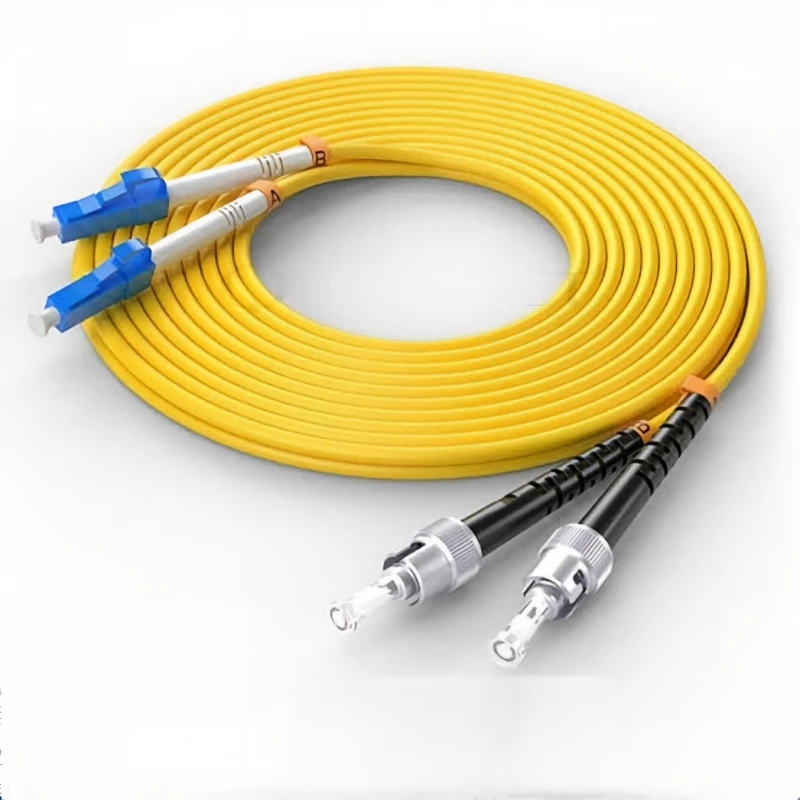
China Super Tech Co., Ltd. supplies optical fiber products for international customers, including bend-insensitive single-mode fiber and G.657 fiber solutions.
Standard products cover different fiber types and specifications, while customized requirements can be evaluated according to project needs.
Our supply capability is designed for international B2B procurement. Where standard specifications are available from stock, orders can be arranged for faster shipment. For projects requiring specific specifications, quantities, packaging or other requirements, customized supply can be discussed.
China Super Tech is also engaged in the production and supply of titanium alloys, synthetic diamond, niobium, tantalum and other specialty materials . Customers with multiple material requirements can therefore consolidate sourcing through one supplier instead of managing separate vendors for every product category.
For customers in the United States, Germany, the UK and Australia, this one-stop supply capability can support projects involving optical fiber together with other specialty industrial materials.
Which Fiber Cable Is Better for Your Project?
If the routing path has sufficient space and the specified bend radius can always be maintained, standard single-mode fiber may be adequate.
If the project involves compact cabinets, tight corners, FTTH drop connections, high-density optical panels or restricted indoor routing, a bend-insensitive fiber optic cable can be a more practical option.
G.657.A1 → approximately 10 mm | G.657.A2 → approximately 7.5 mm | G.657.B3 → approximately 5 mm
Need a Fiber Specification Recommendation?
Send us your required fiber category, minimum bend radius, quantity, application and delivery schedule. China Super Tech can evaluate standard-stock and customized supply options.
Request a Quote