





Nickel Chromium Molybdenum Alloy
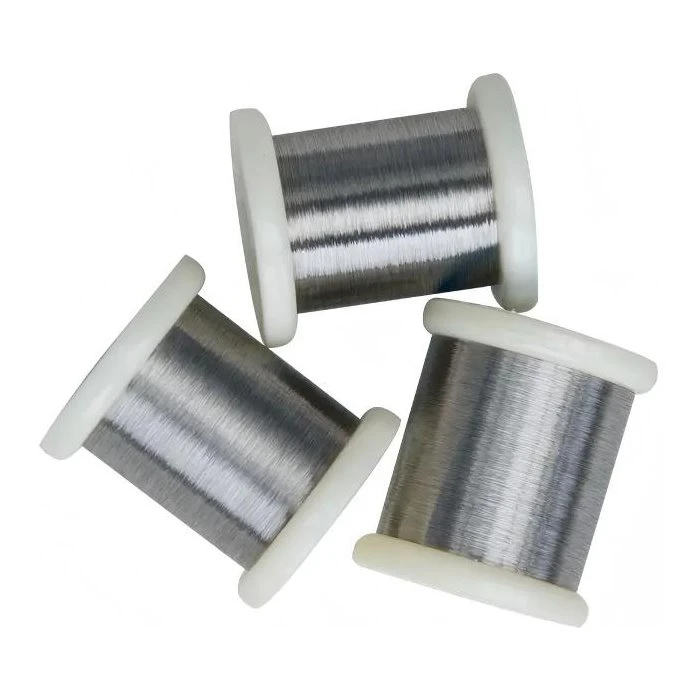
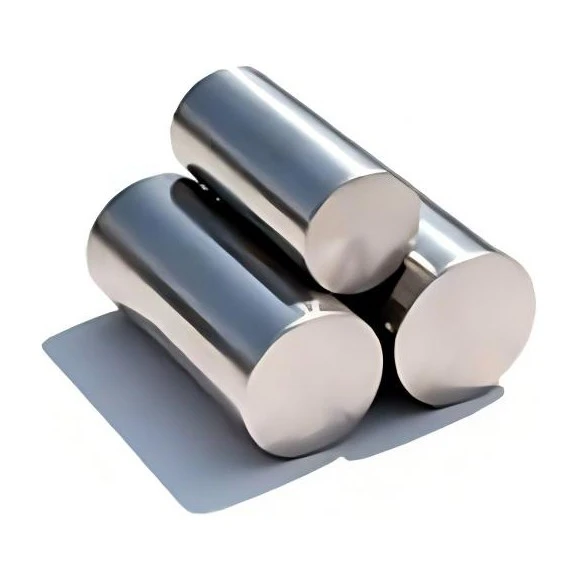
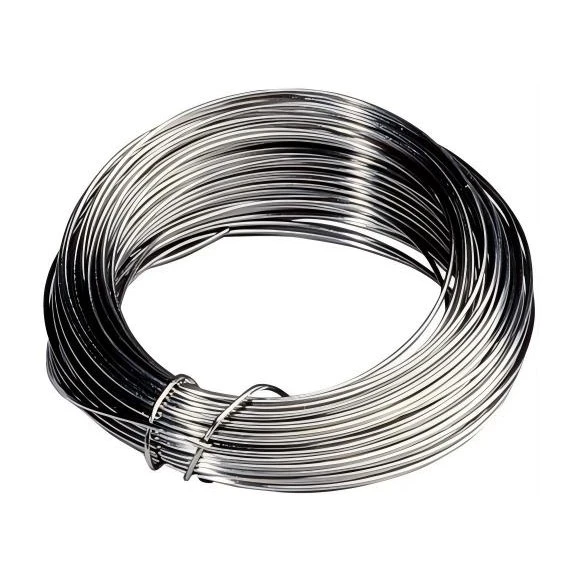
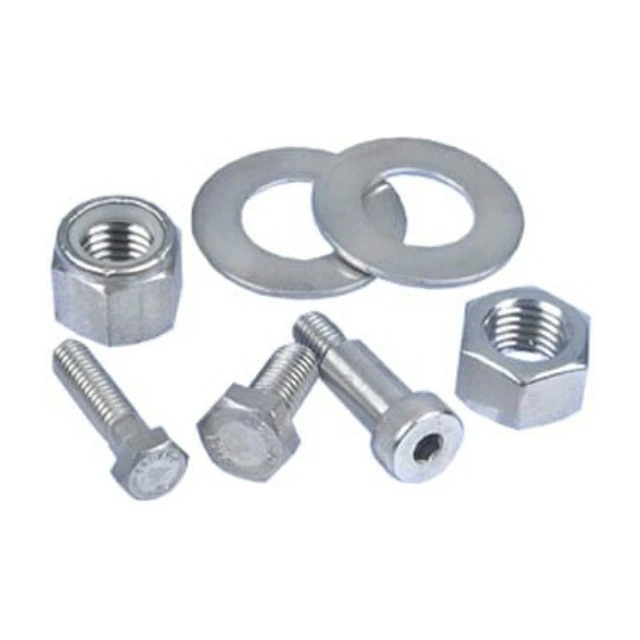
Nickel chromium molybdenum alloy falls within the category of high-performance alloy materials. It is composed of nickel (ni) as the base material, with chromium (cr) and molybdenum (mo) as the main alloying elements. According to specific performance requirements, this alloy can also incorporate elements such as iron, tungsten, cobalt, and copper to further optimize its overall performance. Thanks to its outstanding corrosion resistance, high-temperature stability, and mechanical strength, the nickel-chromium-molybdenum alloy holds a core position in high-end industrial fields such as chemical engineering, marine engineering, aerospace, and energy. It is particularly suitable for manufacturing key components under extreme conditions.

- Product Introduction
Nickel Chromium Molybdenum Alloy
Nickel chromium molybdenum alloy falls within the category of high-performance alloy materials. It is composed of nickel (ni) as the base material, with chromium (cr) and molybdenum (mo) as the main alloying elements. According to specific performance requirements, this alloy can also incorporate elements such as iron, tungsten, cobalt, and copper to further optimize its overall performance. Thanks to its outstanding corrosion resistance, high-temperature stability, and mechanical strength, the nickel-chromium-molybdenum alloy holds a core position in high-end industrial fields such as chemical engineering, marine engineering, aerospace, and energy. It is particularly suitable for manufacturing key components under extreme conditions.
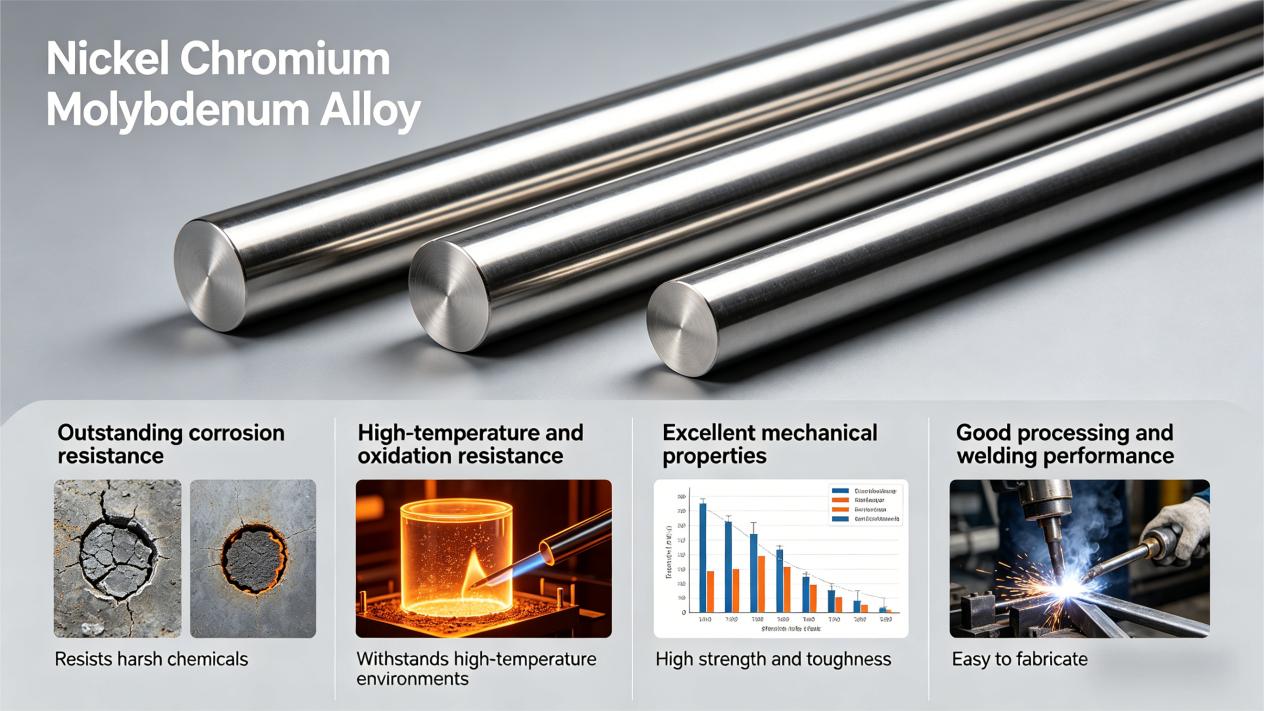
Product Features
1. Outstanding corrosion resistance
The nickel-chromium-molybdenum alloy exhibits extraordinary corrosion resistance in both oxidizing and reducing media. The chromium element forms a dense oxide protective layer on the surface of the alloy, effectively resisting the erosion of oxidizing media (such as nitric acid, seawater); while the molybdenum element significantly enhances the alloy's resistance to pitting, crevice corrosion, and stress corrosion cracking in reducing acids (such as hydrochloric acid, sulfuric acid). This dual protective mechanism makes it the preferred material for handling highly corrosive media in the chemical and petrochemical industries.
2. High-temperature and oxidation resistance
The nickel-chromium-molybdenum alloy can operate stably for a long time at high temperatures (some models can withstand temperatures exceeding 1000°c), while maintaining high strength and oxidation resistance. Its high-temperature stability is attributed to the solid solution strengthening effect of the nickel matrix and the stable oxide layer formed by chromium and molybdenum elements at high temperatures, which effectively prevents further oxidation of the material. Therefore, this alloy is widely used in aerospace engine high-temperature components, nuclear power plant heat exchangers, and other high-temperature scenarios.
3. Excellent mechanical properties
The nickel-chromium-molybdenum alloy has high strength, high toughness, and anti-fatigue properties, and can be used for long-term operation under complex stress conditions without fracture or deformation. Its outstanding mechanical properties make it the preferred material for marine engineering propellers, submarine components, and other fields with extremely high requirements for material reliability.
4. Good processing and welding performance
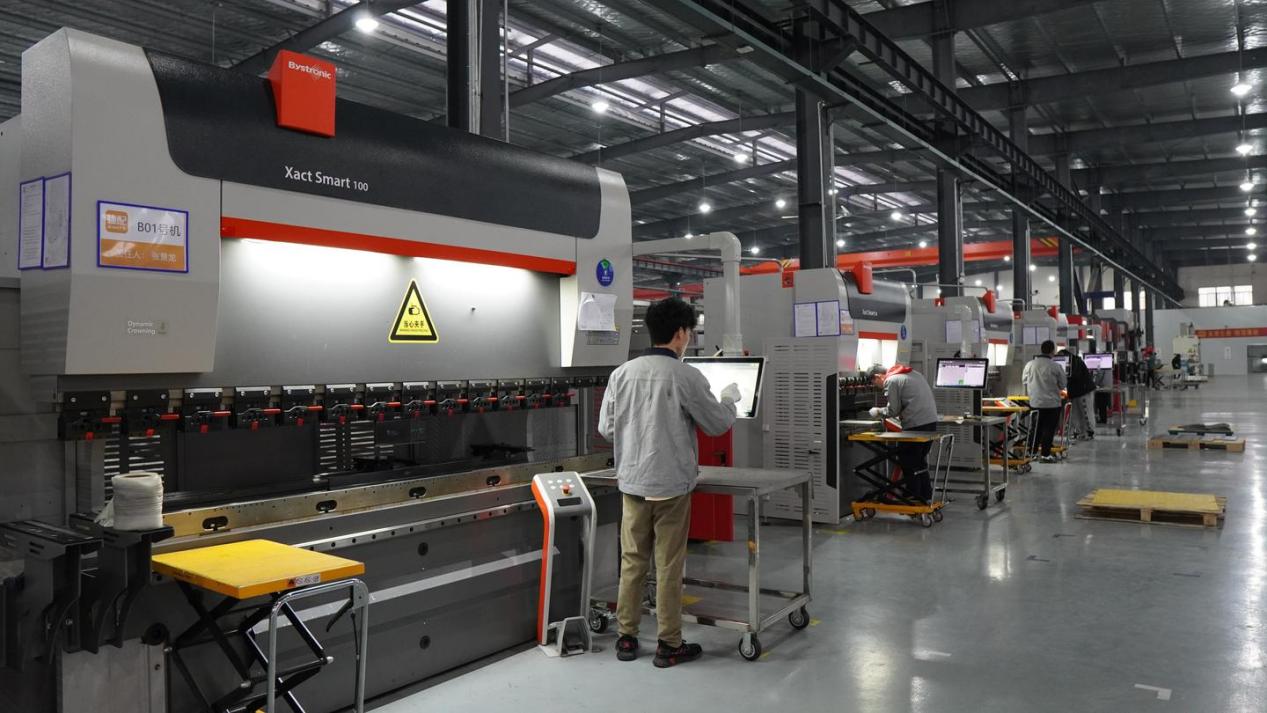
Although the processing and welding of nickel-chromium-molybdenum alloy are more difficult than those of ordinary stainless steel, high-precision processing and reliable welding can still be achieved through special technologies such as vacuum melting and inert gas protection welding. We provide professional processing support to help customers efficiently manufacture complex components.
Application
1. Chemical/petrochemical industry
Nickel-chromium-molybdenum alloys are widely used in reactors, heat exchangers, and pipelines and are particularly suitable for handling extreme corrosive environments such as strong acids and chlorine-containing media. Their outstanding corrosion resistance significantly extends the service life of equipment and reduces maintenance costs.
2. Marine engineering field
In applications such as seawater cooling systems, propellers, and submarine components, nickel-chromium-molybdenum alloys, due to their resistance to seawater corrosion and fatigue, become the key materials for ensuring the long-term stable operation of marine equipment.
3. Aerospace field
High-temperature components in gas turbines and jet engines (such as turbine blades and combustion chambers) need to withstand extreme high temperatures and pressures. The high-temperature strength and oxidation resistance of nickel-chromium-molybdenum alloys make them the core materials for these components.
4. Energy industry
Scenarios such as nuclear power plants, flue gas desulfurization systems, and geothermal equipment have strict requirements for the corrosion resistance and high-temperature tolerance of materials. Nickel-chromium-molybdenum alloys can meet these conditions and ensure the safe and efficient operation of equipment.
5. Pharmaceutical/food industry
When manufacturing precision instruments that require high corrosion resistance (such as surgical instruments and food processing equipment), nickel-chromium-molybdenum alloys' biocompatibility and chemical stability make them a reliable choice.

Specification
|
Item |
Details |
|
Material |
Nickel Chromium Molybdenum Alloy |
|
Typical Grades |
Hastelloy C-276 / Hastelloy C-22 / Inconel 625 |
|
Standards |
ASTM B622 / ASTM B619 / ASTM B575 / ASME SB Series |
|
Density |
8.4–8.9 g/cm³ |
|
Tensile Strength |
≥690 MPa |
|
Yield Strength |
≥280 MPa |
|
Working Temperature |
Up to 1000°C |
|
Corrosion Resistance |
Excellent in acid, seawater & harsh chemical environments |
|
Forms Available |
Pipe, Tube, Plate, Bar, Custom Parts |
|
Pipe Size |
OD 6–630 mm / WT 0.5–50 mm |
|
Surface Finish |
Pickled / Bright Annealed / Polished |
Customized Service
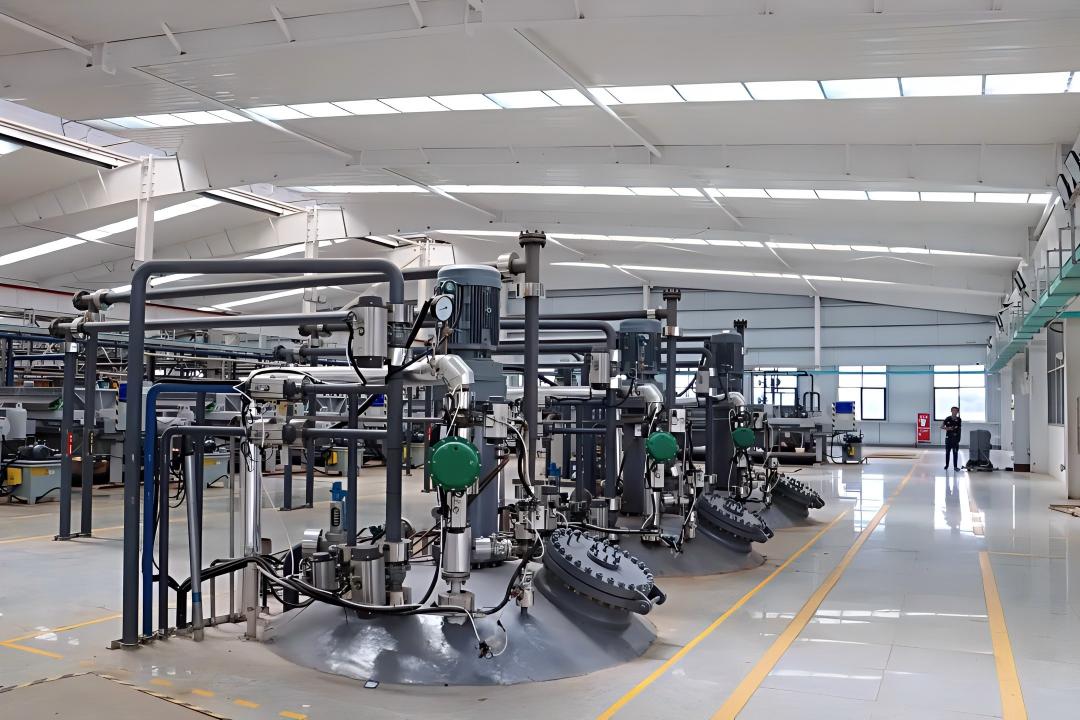
We offer customized services for nickel-chromium-molybdenum alloys. We can adjust the alloy composition according to the specific needs of customers (such as adding iron, tungsten, cobalt, etc.), and optimize the material properties to adapt to specific working conditions.
At the same time, we provide full-process technical support from raw material selection, processing technology design to finished product testing, ensuring that the products fully meet the requirements of customers.
Contact us immediately to obtain professional solutions and enhance the competitiveness of your project!
FAQ
1. What is Ni-Cr-Mo alloy?
Nickel Chromium Molybdenum Alloy is a high-performance nickel-based alloy designed for extreme corrosion environments. It combines nickel, chromium, and molybdenum to provide resistance to both oxidizing and reducing media.
2. What makes Ni-Cr-Mo alloys better than stainless steel (e.g. 316L)?
Ni-Cr-Mo alloys offer significantly higher resistance to:
Strong acids (HCl, H₂SO₄)
Chloride-induced corrosion
Stress corrosion cracking
They are typically selected when stainless steel fails in aggressive environments.
3. Which industries commonly use this alloy?
Typical industries include:
Chemical processing
Oil & gas
Marine engineering
Pollution control (FGD systems)
Power generation
These alloys are widely used where corrosion resistance and durability are critical.
4. What are the most common grades?
The most widely used grades include:
Hastelloy C-276
Hastelloy C-22
Inconel 625
Among them, C-276 is often considered a "universal corrosion-resistant alloy."
5. Can this alloy handle both oxidizing and reducing environments?
Yes.
Chromium provides resistance to oxidizing media
Molybdenum improves resistance in reducing environments
This combination allows the alloy to perform in mixed chemical conditions.
6. Is it suitable for high-temperature applications?
Yes, Ni-Cr-Mo alloys maintain strength and corrosion resistance at high temperatures, typically up to ~1000°C depending on grade and environment.
7. Does it resist pitting and crevice corrosion?
Yes.High molybdenum content provides excellent resistance to:
Pitting corrosion
Crevice corrosion
Chloride attack
This is one of the key reasons it is used in harsh chemical systems.
8. Is the alloy easy to weld and fabricate?
Yes.
Ni-Cr-Mo alloys (especially C-276) are designed to:
Resist weld heat-affected zone degradation
Avoid carbide precipitation
Maintain corrosion resistance after welding
9. What product forms are available?
Common forms include:
Pipes & tubes (seamless / welded)
Plates & sheets
Bars & forgings
Custom components
These materials are widely available under ASTM/ASME standards.
10. Why is Ni-Cr-Mo alloy more expensive but still widely used?
Although initial cost is higher, it offers:
Longer service life
Lower maintenance
Reduced downtime
Hot Tags: nickel chromium molybdenum alloy, China nickel chromium molybdenum alloy manufacturers, suppliers, factory, molybdenum alloy, Molybdenum Copper Alloy, molybdenum products, Nickel Chromium Molybdenum Alloy, Pure Molybdenum Foil, TZM Molybdenum Alloy


