





Nickel Molybdenum Alloy
Nickel Molybdenum Alloy is a high-performance material based on nickel with molybdenum as the primary alloying element. Depending on the molybdenum content and additional elements, it is widely used in extreme and demanding industrial environments such as chemical engineering, energy, marine engineering, and aerospace, and is a key material for solving problems related to the transportation and reaction of highly corrosive chemicals.

- Product Introduction
Nickel Molybdenum Alloy
Nickel Molybdenum Alloy is a high-performance material based on nickel with molybdenum as the primary alloying element. Depending on the molybdenum content and additional elements, it is widely used in extreme and demanding industrial environments such as chemical engineering, energy, marine engineering, and aerospace, and is a key material for solving problems related to the transportation and reaction of highly corrosive chemicals.
Product Features
1. Outstanding resistance to corrosion by reducing media
The most notable characteristic of this alloy is its excellent corrosion resistance in reducing environments, particularly in terms of their tolerance to hydrochloric acid. As the molybdenum content increases (typically between 15% and 30%), the corrosion rate of the alloy in hydrochloric acid significantly decreases. For instance, the B-3 alloy demonstrates outstanding resistance to any concentration and temperature of hydrochloric acid. Additionally, this type of alloy also has good tolerance to medium concentrations of acids such as sulfuric acid, phosphoric acid, formic acid, and acetic acid, which are non-oxidizing acids.
2. Excellent resistance to local corrosion
The addition of molybdenum significantly enhances the material's resistance to pitting and crevice corrosion caused by chloride ions, making them suitable for seawater and high-salt environments. At the same time, the high nickel content gives the alloy excellent resistance to chloride ion stress corrosion cracking, which is crucial in chemical and marine engineering.
3. Excellent high-temperature mechanical properties
This alloy can maintain high mechanical strength and good structural stability even at high temperatures (some grades can reach above 800°C), and is often used in high-temperature and high-pressure equipment. Specific grades such as HY-MU 80 (Ni-80% Fe-15% Mo) have a low thermal expansion coefficient (approximately 12.0 µm/m-°C), making them suitable for electronic components that require precise size control.
4. Excellent processing and welding properties
Modern grades of this alloy (such as B-3, C-276) have significantly enhanced thermal stability by strictly controlling the content of carbon and silicon. Compared to the earlier B-2 alloy, the improved version can be used directly after welding (i.e., in the weld state), without the need for additional solution heat treatment, thereby greatly reducing processing costs and time.

Application
1.Chemical Engineering and Petrochemicals
These alloys are widely used in equipment for handling hydrochloric acid, sulfuric acid and mixed acids, such as reaction vessels and heat exchangers. In the production of basic chemical raw materials like PVC, MDI/TDI, C-276 alloy is the standard equipment material. Additionally, this type of alloy is also used in flue gas desulfurization systems, waste incineration plant exhaust scrubbers, and hydrogenation desulfurization units in petroleum refining, resisting high-temperature corrosion caused by sulfur and chloride.
2. Aerospace and Defense
They are used to manufacture turbine blades, exhaust systems, and combustion chamber components of gas turbine engines. Their high-temperature and high-strength properties can withstand the intense thermal stresses during engine startup and flight. High-strength grades such as MP35N are used due to their excellent resistance to hydrogen embrittlement, in NASA space equipment's torsion springs, missile wing deployment mechanisms, and nuclear valve springs.
3. Marine Engineering and Energy
In offshore oil and gas extraction, these materials are used in deep-sea drilling equipment, downhole tools, and wellhead components to resist seawater corrosion and sulfide stress corrosion cracking caused by hydrogen sulfide. In the nuclear industry, these alloys are used in nuclear reactors and spent fuel reprocessing facilities to withstand the harsh corrosive environment resulting from nuclear fission.
4. Emerging Green Energy
With the energy transition, these alloys play a crucial role in green hydrogen production, being used as electrodes and key components in water electrolysis cells. Their high catalytic activity and resistance to alkaline environmental corrosion make them an ideal material for producing green hydrogen. Additionally, these alloys are also used in the manufacturing of medical devices (such as cardiac pacemaker leads) and surgical instruments, taking advantage of their biocompatibility, non-magnetism, and high strength properties.
5. Electronic and Magnetic Components
Alloys with high nickel and molybdenum content (such as HY-MU 80) have extremely high magnetic permeability and are used in cathode ray tubes, precision transformers, and magnetic shielding covers for magnetic probes to eliminate external magnetic interference and ensure the stable operation of equipment.

Specification
|
Item |
Specification |
|
Product Name |
Nickel Molybdenum Alloy (Ni-Mo Alloy) |
|
Material System |
Nickel-based alloy |
|
Main Composition |
Ni (Balance), Mo 10–30%, optional Fe, Cr, W |
|
Available Forms |
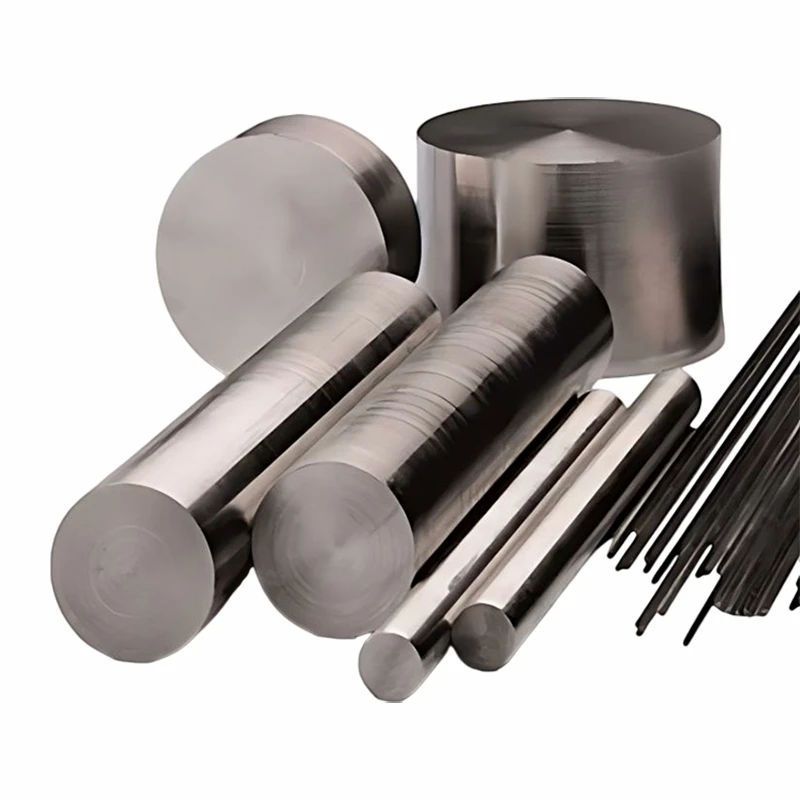
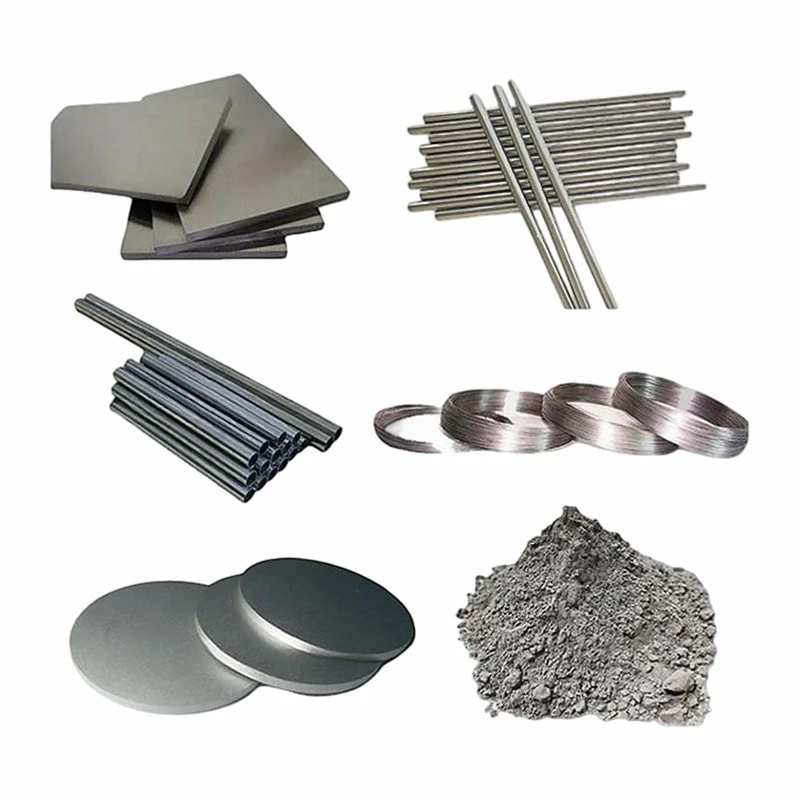
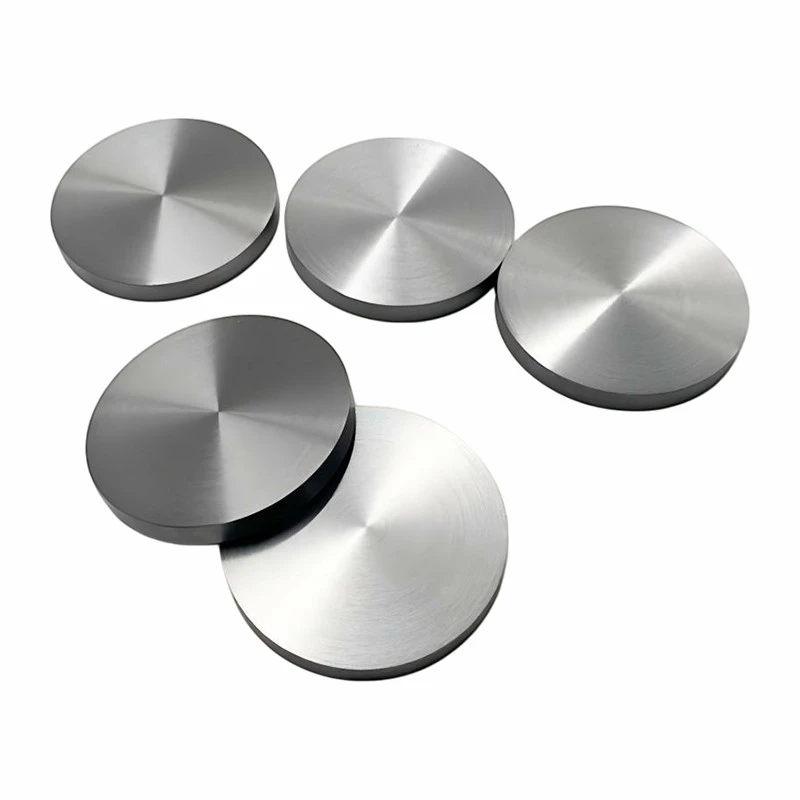
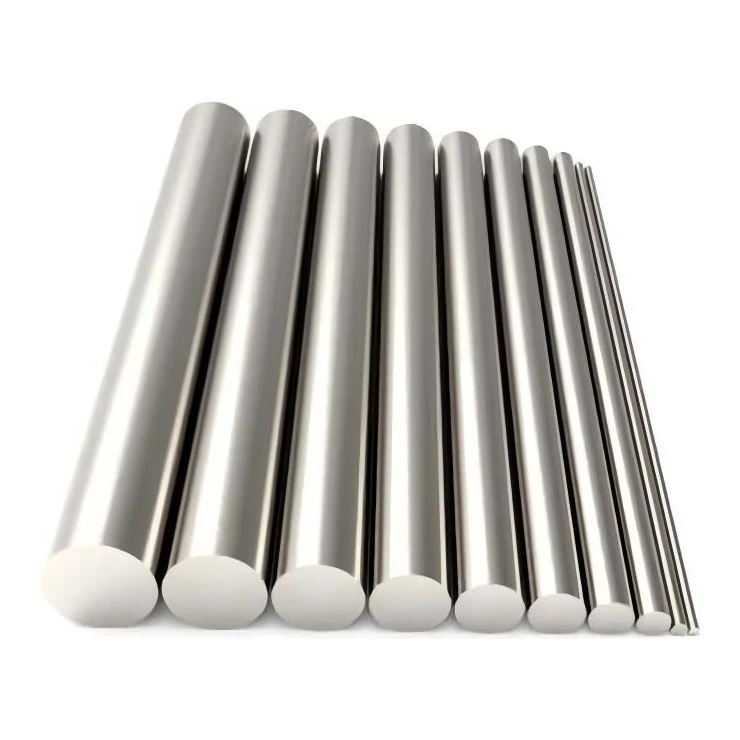
Sheet, Plate, Rod, Wire, Tube, Forgings, Custom Parts |
|
Density |
8.6 – 9.2 g/cm³ |
|
Melting Range |
1300°C – 1450°C |
|
Service Temperature |
Up to ~1000°C (depending on grade & environment) |
|
Corrosion Resistance |
Excellent resistance to strong acids (HCl, H₂SO₄, H₃PO₄) and reducing media |
|
Oxidation Resistance |
Moderate to good at elevated temperatures |
|
Mechanical Properties |
High tensile strength, excellent creep resistance |
|
Thermal Conductivity |
Moderate (lower than pure nickel) |
|
Electrical Conductivity |
Low to moderate |
|
Heat Treatment |
Solution annealed / stress relieved |
|
Surface Finish |
Bright, pickled, polished, machined finish available |
|
Standards |
ASTM-based specifications / customized industrial standards |
|
Applications |
Chemical processing, petrochemical industry, acid plants, marine engineering, heat exchangers, FGD systems |
Customized Service
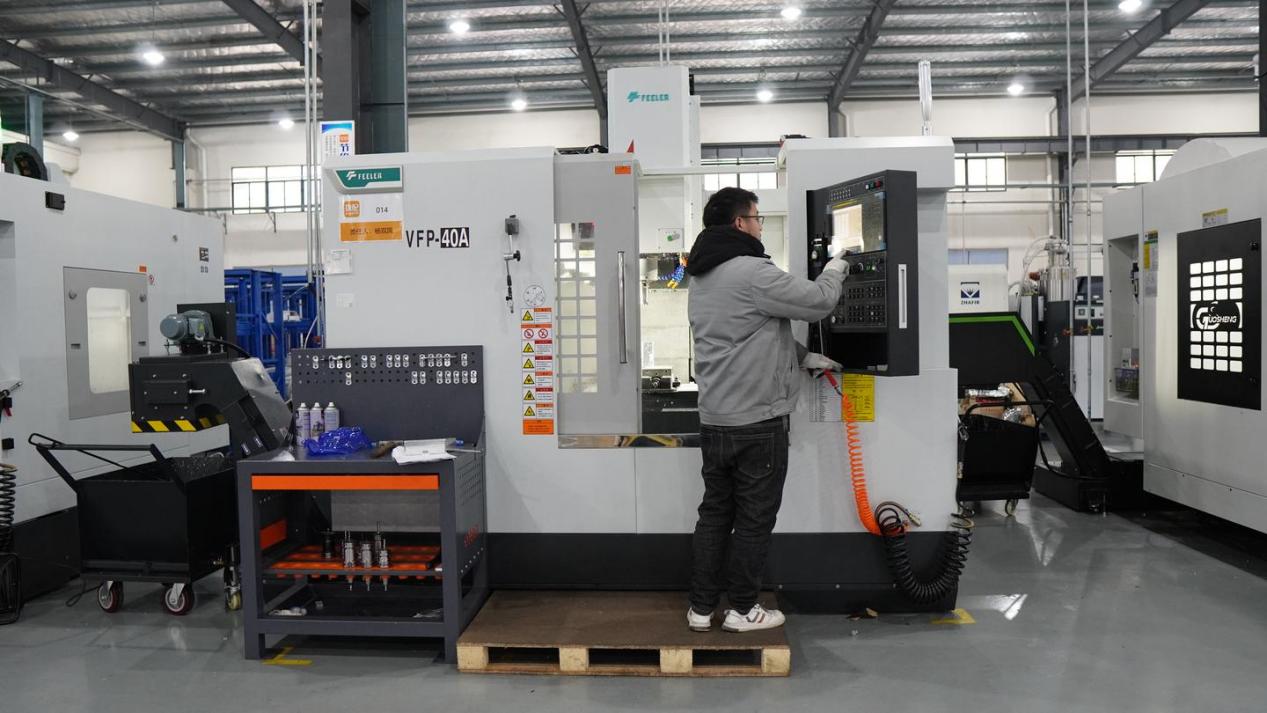
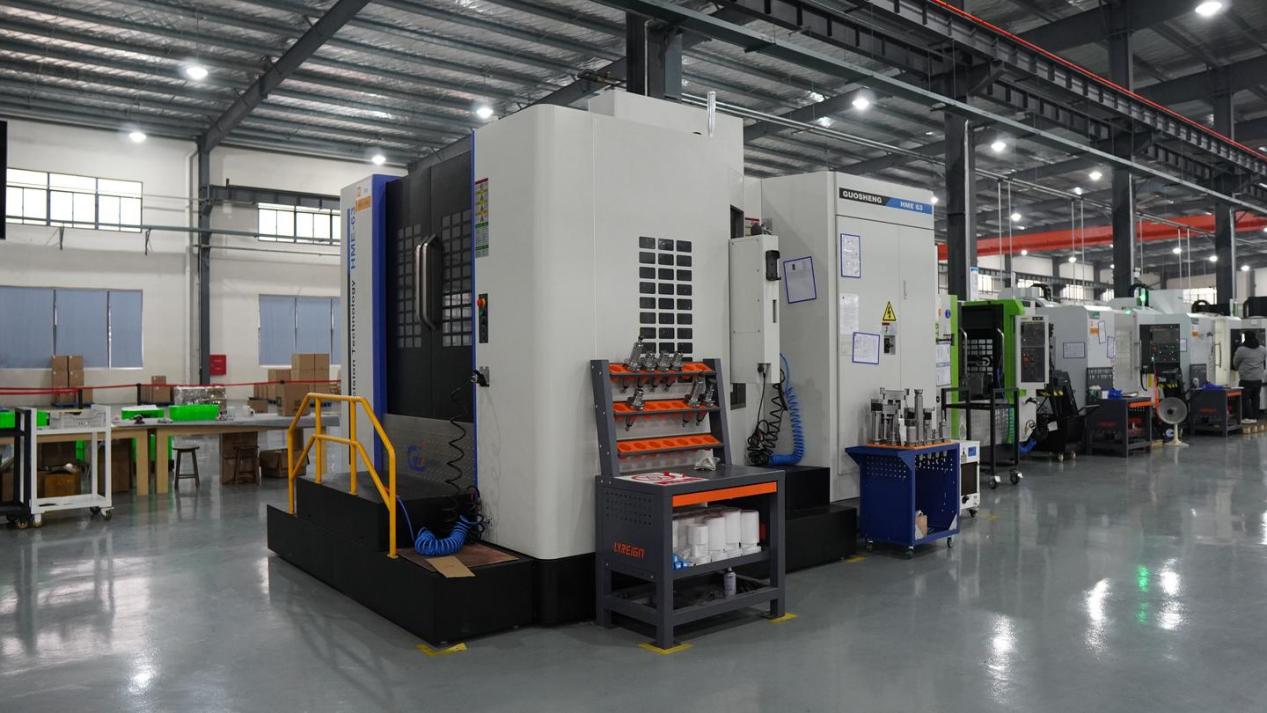
We offer comprehensive customized services for Nickel Molybdenum Alloy products. We can adjust the molybdenum content, add elements, and implement heat treatment processes according to customer requirements, developing grades that meet specific working conditions.
Whether it is requirements for corrosion resistance, high-temperature strength, or magnetic properties, we can provide high-performance and highly reliable alloy solutions through strict quality control and advanced production processes.
Contact us immediately to obtain professional selection advice and sample support!
FAQ
1. What is Nickel Molybdenum Alloy?
Nickel Molybdenum Alloy is a nickel-based material with added molybdenum (typically 10–30%), designed for high corrosion resistance, especially in acidic and reducing environments.
2. What is Ni-Mo alloy mainly used for?
It is widely used in chemical processing, petrochemical equipment, acid production systems, seawater environments, and pollution control systems due to its excellent corrosion resistance.
3. Why is molybdenum added to nickel alloys?
Molybdenum improves resistance to pitting, crevice corrosion, and strongly reducing acids such as hydrochloric acid, making the alloy suitable for harsh chemical conditions.
4. How does Ni-Mo alloy perform in hydrochloric acid (HCl)?
Ni-Mo alloys show excellent resistance to non-oxidizing hydrochloric acid across a wide range of concentrations and temperatures when properly alloyed.
5. Is this alloy better than stainless steel?
Yes, in highly corrosive reducing acid environments, Ni-Mo alloys significantly outperform most stainless steels in corrosion resistance and service life.
6. What is the typical composition of Ni-Mo alloys?
Typical compositions include nickel as the base metal with 10–30% molybdenum, sometimes with small additions of iron, chromium, or tungsten depending on the grade.
7. What are the main physical properties of Ni-Mo alloys?
They have high density (~9.2 g/cm³), high melting point (~1300–1450°C), good mechanical strength, and moderate thermal and electrical conductivity.
8. Can this alloy be welded?
Yes, it is generally weldable, but controlled procedures are required to avoid phase changes or loss of corrosion resistance in the heat-affected zone.
9. What are the limitations of Ni-Mo alloys?
They are more expensive than stainless steels and may have reduced performance in strongly oxidizing environments or at extremely high temperatures.
10. What industries benefit most from Ni-Mo alloys?
Industries such as chemical processing, oil and gas, marine engineering, pharmaceutical production, and flue gas desulfurization systems benefit most from Ni-Mo alloys.
Hot Tags: nickel molybdenum alloy, China nickel molybdenum alloy manufacturers, suppliers, factory, molybdenum alloy, molybdenum products, Nickel Molybdenum Alloy, Pure Molybdenum Foil, TZM Alloy Molybdenum, TZM Molybdenum Alloy


