




G.657 A1 Fiber For FTTH: Applications, Benefits And Project Considerations
 Sep 23, 2026|
 Why G.657 A1 Fiber Is Considered for FTTH
G.657 A1 fiber is designed for access-network applications where optical fiber may need to follow tighter routing paths than conventional fiber installations. Under the ITU-T G.657 recommendation, G.657.A1 specifies a minimum design radius of 10 mm and belongs to Category A, which is designed to remain compatible with the transmission characteristics of the G.652.D family.
For FTTH projects, the practical question is not simply whether a fiber is bend resistant. Buyers also need to consider installation space, cable construction, routing conditions, attenuation requirements, compatibility with existing network designs, and the production specifications of the finished cable.

Where Is G.657 A1 Fiber Used in FTTH Projects?
G.657 A1 fiber is commonly considered for FTTH and access-network cable designs where fiber routing may involve limited installation space, bends around building structures, distribution boxes, or indoor access equipment.
Its 10 mm minimum design radius provides a defined bending requirement for network designers and cable manufacturers. This can be useful when the project requires improved routing flexibility while maintaining compatibility with the broader G.652.D-based network environment.
The actual suitability still depends on the complete cable structure and installation conditions rather than the fiber category alone.
Why Can G.657 A1 Be Considered for FTTH?
Indoor Routing
FTTH fiber may need to pass through compact indoor spaces, wall outlets, cabinets, or other areas where routing geometry is more constrained.
Access Networks
Category A fibers are intended for use in networks that need to maintain compatibility with the G.652.D transmission environment.
Compact Cable Designs
A controlled minimum design radius can help cable designers evaluate fiber routing requirements when developing compact access cables.
Building Connections
The fiber can be considered for sections of an FTTH network where installation conditions require more controlled bending than conventional routing.

G.657 A1 vs G.657 A2: What Should Buyers Check?
The choice between G.657 A1 and G.657 A2 should be based on the required installation geometry and network specification rather than simply choosing the fiber with the smaller bending radius.
| Item | G.657.A1 | G.657.A2 |
|---|---|---|
| Minimum design radius | 10 mm | 7.5 mm |
| Category | Category A | Category A |
| Typical consideration | FTTH/access networks with controlled routing | More demanding bend-sensitive routing |
If the project requires a tighter minimum design radius, buyers may need to evaluate G.657 A2 fiber instead.
G.657 A1 Fiber Procurement Checklist
Before placing an order, buyers should confirm the fiber specification against the cable design and actual installation environment.
1. Confirm the required fiber categoryConfirm whether the project specification calls for G.657.A1 specifically or allows other G.657 categories.
2. Check the minimum design radiusA1 uses a 10 mm minimum design radius. Make sure this requirement matches the cable construction and installation route.
3. Verify transmission requirementsCheck attenuation, wavelength range, mode-field characteristics, and other optical parameters required by the network design.
4. Match the fiber to the cable structureThe fiber specification should be evaluated together with coating, buffer, cable geometry, and mechanical requirements.
5. Confirm production consistencyFor volume orders, buyers should confirm that the supplied fiber maintains consistent optical and dimensional specifications between production batches.
6. Discuss project-specific requirements before orderingIf the fiber will be integrated into a new cable construction or used in a non-standard installation environment, provide the project requirements before finalizing the order.
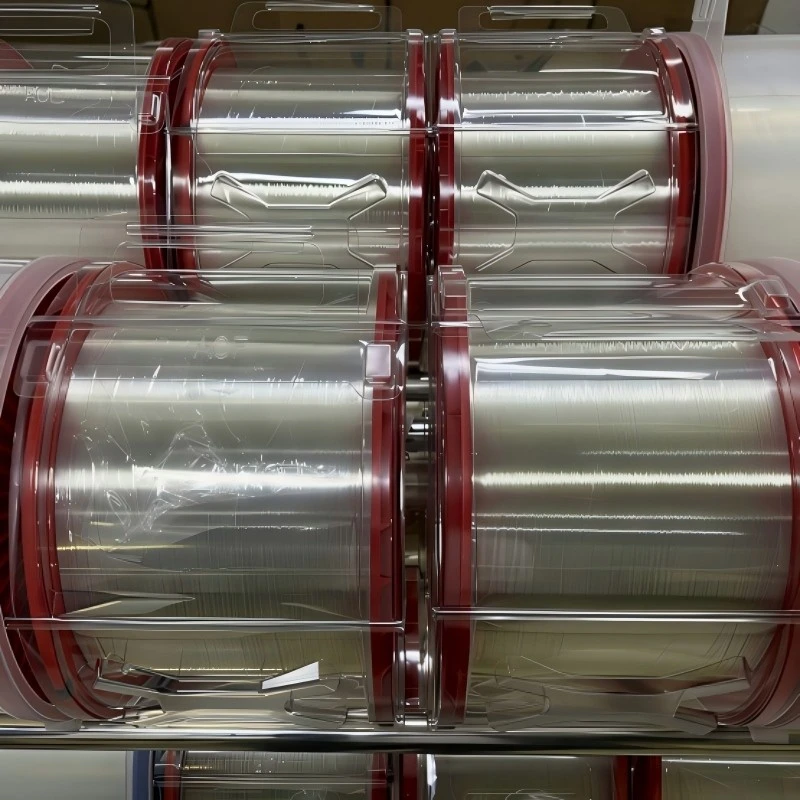
A Practical FTTH Project Scenario
Consider an FTTH deployment where the optical cable needs to pass through distribution boxes, indoor access points, and relatively compact routing spaces. The network design remains based on the transmission requirements of the G.652.D family, but the cable installation requires a defined bending capability.
In this situation, G.657 A1 can be evaluated as an option because its 10 mm minimum design radius provides a specified bending requirement while maintaining Category A compatibility.
The final decision should still be based on the complete cable design, installation conditions, optical requirements, and project specification.
G.657 A1 Fiber Supply from China Super Tech
China Super Tech Co., Ltd. supplies optical fiber products for international cable and network applications, including G.657 A1 fiber. Standard specifications can be supplied for regular procurement, while project-specific requirements can be discussed for customized applications.
For buyers comparing different G.657 specifications, the supply discussion can cover fiber category, optical requirements, project quantity, cable construction, delivery requirements, and other technical parameters before an order is finalized.
Need G.657 A1 Fiber for Your FTTH Project?
Send us your required fiber specification, quantity, cable application, and delivery requirements. Our team can help you confirm the suitable G.657 A1 configuration before ordering.
Related Optical Fiber Products
Frequently Asked Questions
1.What is the minimum design radius of G.657 A1 fiber?G.657.A1 specifies a minimum design radius of 10 mm under the ITU-T G.657 recommendation. The actual bending performance of a finished cable also depends on its construction and installation conditions.
2.Is G.657 A1 fiber suitable for FTTH applications?
Yes. G.657 A1 is designed for applications where improved bending performance is required while maintaining compatibility with the G.652.D family. It can therefore be considered for many FTTH and access-network cable designs, subject to the project specification.