
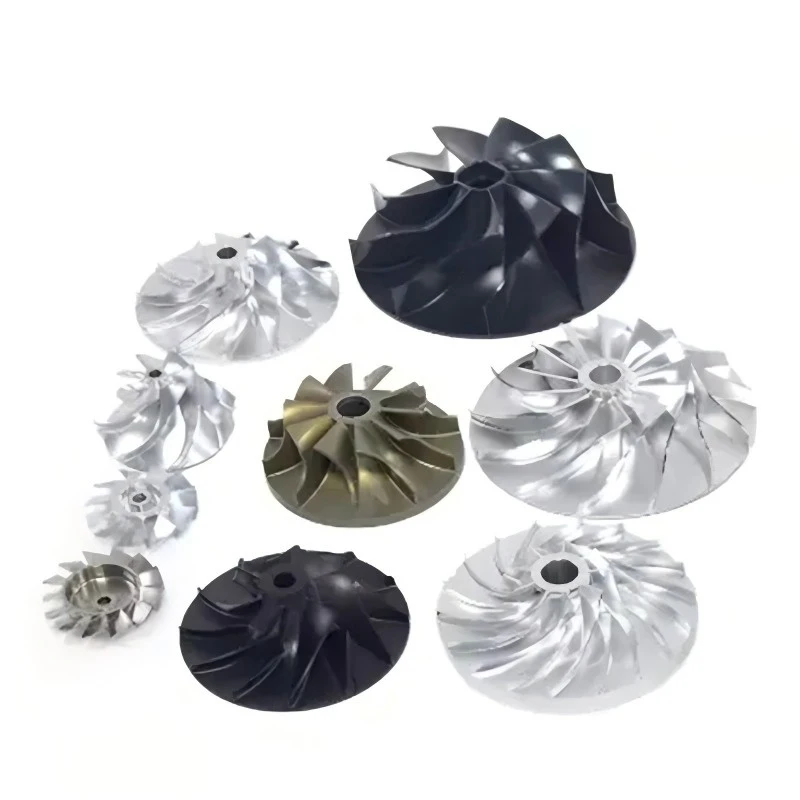
Titanium Parts For Power Plants
China Super Tech Co., Ltd. specializes in manufacturing titanium components that are suitable for all scenarios in power plants. Relying on its self-developed multi-axis precision processing technology, it has created titanium components that are both lightweight and highly resistant to corrosion. These components can directly replace traditional stainless steel and brass parts, effectively reducing the probability of unplanned power plant shutdowns and significantly extending the service life of core equipment.

- Product Introduction
Product features
1. Low-stress lightweighting
Using Ti-6Al-4V titanium alloy as the base material, the density is only 4.51g/cm³, reducing the weight of traditional stainless steel components by 40%, significantly reducing the centrifugal force during the high-speed operation of turbine moving blades, and increasing the fatigue life by more than 3 times.
2. Corrosion resistance in all operating conditions
A dense and stable oxide passivation film is formed on the surface, which can resist the erosion of corrosive media such as seawater, chlorine-containing steam, and sulfides, completely avoiding the common leakage problems of brass components.
3. High-precision molding
It is formed in one piece through five-axis coordinated numerical control processing, with a tolerance control within ±0.02mm. It can be directly assembled without secondary grinding, and is compatible with the existing equipment interfaces of power plants.
4. Long service life and maintenance-free
Under normal operating conditions, the service life can reach 30 years, much longer than traditional metal components, significantly reducing the daily operation and maintenance costs of power plants.
Product Application
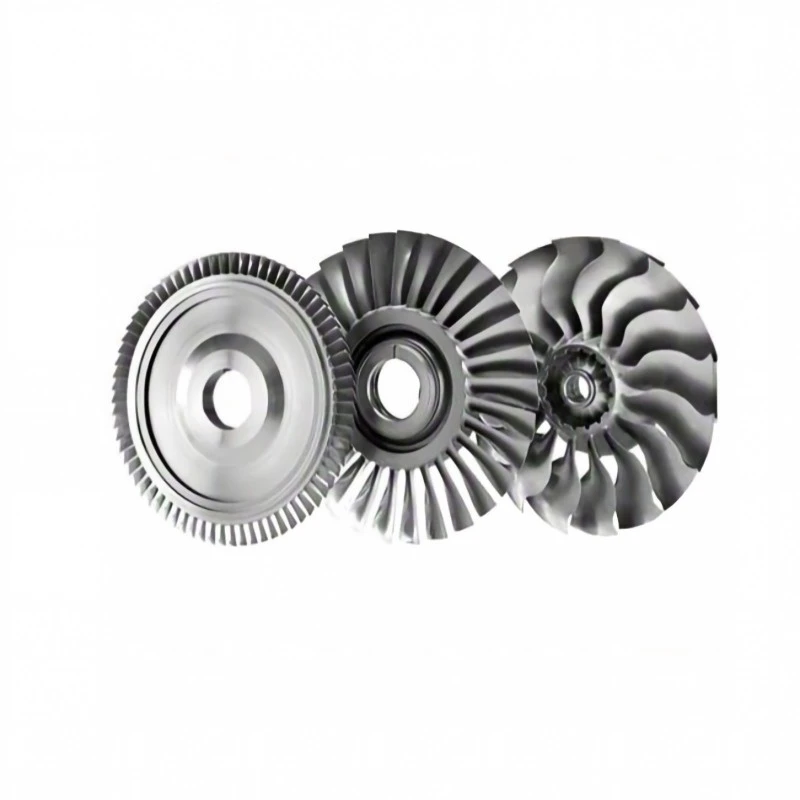
1. Turbine rotor blades
Replace the traditional stainless steel blades to reduce the rotational inertia, improve the power generation efficiency of the unit, and prevent fatigue fractures at the blade root caused by high centrifugal force. They are suitable for the core positions of low-pressure steam turbines in thermal power and nuclear power plants.
2. Condenser heat exchange tubes
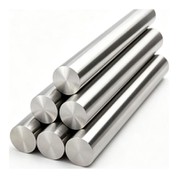
Replace the original brass tubes. In the seawater cooling scenario of coastal power plants, it completely eliminates corrosion and leakage, avoiding the mixing of seawater into the steam circulation system and affecting the vacuum degree of the unit.
3. Heat exchangers and pipeline components
Used in auxiliary heat exchange equipment of power plants and key joints of circulating water pipelines, they resist erosion by circulating cooling water containing impurities, reducing the risks of pipeline blockage and leakage.
4. Chimney and protective ring structural components
Used for the anti-corrosion lining of power plant chimneys and the protective ring of generators. They can withstand the corrosion of high-temperature flue gas and hydrogen medium, enhancing the structural safety of the system for long-term outdoor operation.
Customized service
China Super Tech Co., Ltd. relies on its own complete chain of titanium material processing capabilities to provide exclusive customized services:
1. Customization based on operating conditions
The titanium material ratio can be adjusted according to the local water quality, operating temperature and pressure parameters of the power plant, and the corrosion resistance and mechanical properties can be optimized specifically to fully meet the individualized needs of different units.
2. Non-standard interface customization
It supports reverse measurement and processing based on the dimensions of the existing equipment in the power plant. Without the need to modify the original equipment, it can directly replace it, significantly reducing the renovation cost and installation period.
3. Full-process traceability service
Each product comes with a complete material inspection report and processing process record. It provides free on-site condition checks within the 10-year warranty period to promptly identify potential operational risks.
Specifications
|
Parameter |
Specification |
|
Product Name |
Titanium Parts for Power Plants |
|
Material Grades |
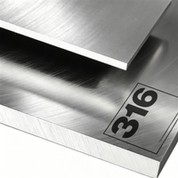
Gr1, Gr2, Gr5 (Ti-6Al-4V), Gr7, Gr12 |
|
Manufacturing Process |
CNC Machining, Forging, Welding, Precision Machining |
|
Available Forms |
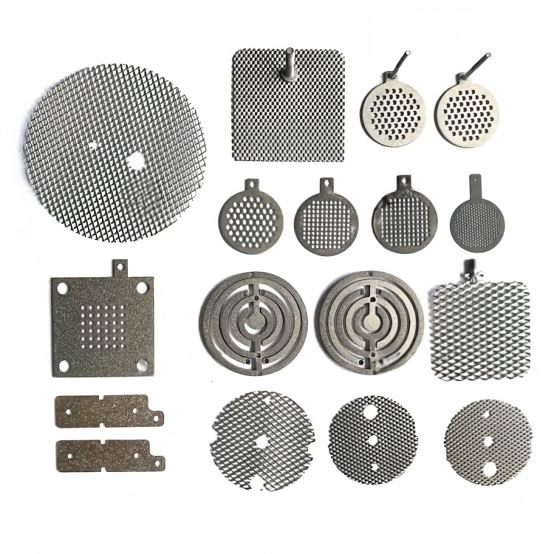
Flanges, Fasteners, Heat Exchanger Parts, Valve Components, Custom Parts |
|
Dimensions |
Customized According to Drawings or Samples |
|
Thickness |
0.5 mm – 100 mm (Customizable) |
|
Length |
Customized |
|
Tolerance |
±0.01 mm to ±0.05 mm (Depending on Design Requirements) |
|
Surface Finish |
Polished, Sandblasted, Pickled, Anodized, Machined Finish |
|
Density |
4.51 g/cm³ |
|
Tensile Strength |
240 MPa – 950 MPa (Depending on Grade) |
|
Operating Temperature |
Up to 600°C (Depending on Titanium Grade) |
|
Corrosion Resistance |
Excellent Resistance to Seawater, Chlorides, and Chemical Corrosion |
FAQ
Why are titanium parts preferred over stainless steel in power plants?
+
-
Titanium offers outstanding corrosion resistance, especially in seawater cooling systems, flue gas desulfurization (FGD) units, and condenser applications. Unlike stainless steel, titanium is highly resistant to chloride-induced corrosion, pitting, and stress corrosion cracking. This significantly reduces maintenance costs and extends the service life of critical components, making it an ideal choice for thermal, nuclear, and coastal power plants.
Which titanium grade is best for power plant applications?
+
-
The most commonly used titanium grades are Grade 2, Grade 5 (Ti-6Al-4V), and Grade 12. Grade 2 is widely used for condensers and heat exchangers due to its excellent corrosion resistance. Grade 5 provides higher mechanical strength for structural and high-load components. Grade 12 offers improved crevice corrosion resistance and is suitable for aggressive chemical environments. The appropriate grade depends on the operating temperature, pressure, and the type of cooling or process media used in the power plant.
Can titanium parts withstand high temperatures and pressures in power plants?
+
-
Yes. Titanium components are designed for demanding operating environments and offer excellent strength-to-weight performance. Depending on the titanium grade and application, they can operate under high temperatures and pressures commonly found in heat exchangers, turbines, condenser systems, and desulfurization equipment. Proper material selection and manufacturing processes are essential to ensure long-term reliability in power generation applications.
Can titanium parts be customized according to our engineering drawings?
+
-
Absolutely. Titanium parts for power plants are typically manufactured according to customer specifications. Customization services include: CNC precision machining Titanium forging Welding and assembly Surface treatment and finishing Non-destructive testing and dimensional inspection Manufacturers can produce complex geometries and tight tolerances based on 2D drawings, 3D models, or samples to meet specific project requirements.
What factors should I consider when sourcing titanium parts for power plants?
+
-
When purchasing titanium components, buyers should pay close attention to: Titanium grade and material certification Manufacturing capabilities and machining accuracy Corrosion resistance requirements Compliance with ASTM and ISO standards Quality inspection procedures Customization and lead time Experience in power plant applications Choosing a supplier with experience in power generation projects can help minimize installation issues, improve component reliability, and reduce lifecycle costs. High-quality titanium parts often provide substantial savings through longer service life and lower maintenance requirements.
Hot Tags: titanium parts for power plants, China titanium parts for power plants manufacturers, suppliers, factory, Aluminum Titanium Carbon, Beryllium Titanium Alloy, titanium alloy housing components, titanium alloy milled parts, Titanium Columbium Alloy, Titanium Zirconium Molybdenum