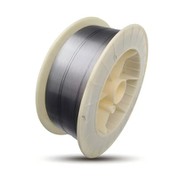

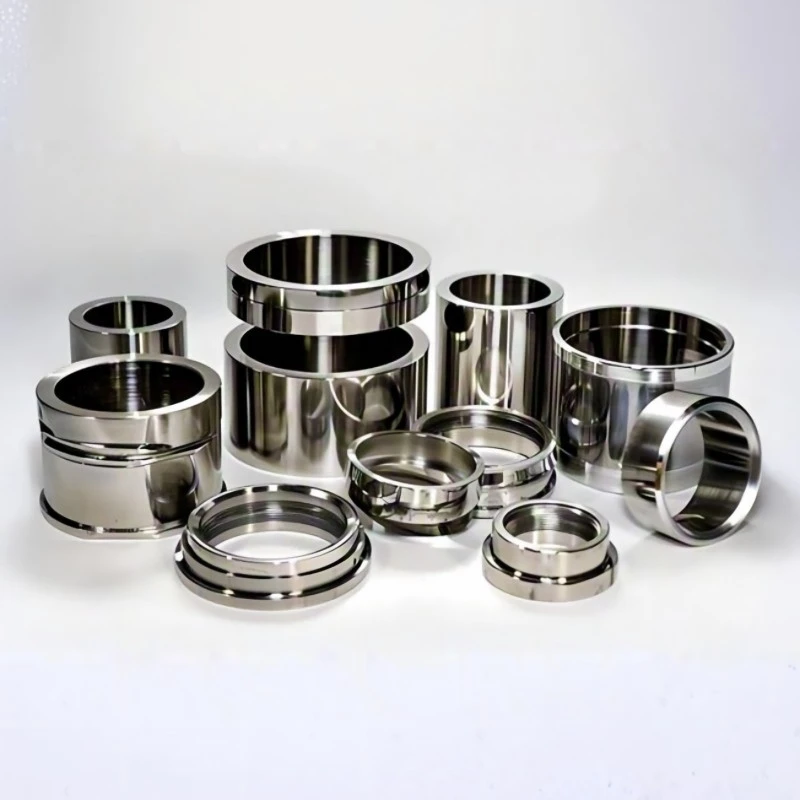
Titanium Alloy Cooling Components For Energy Equipment
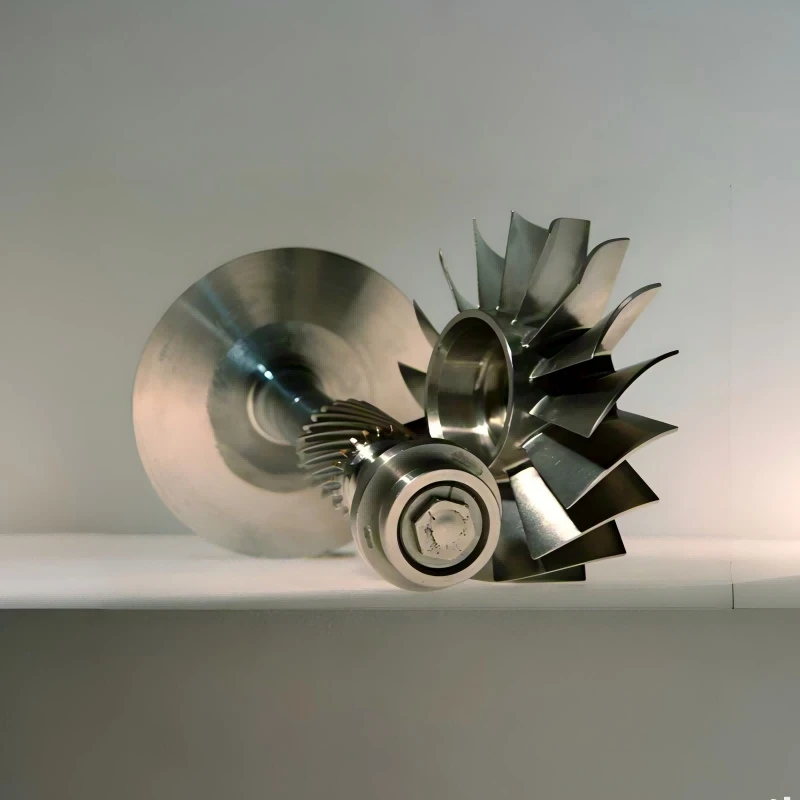
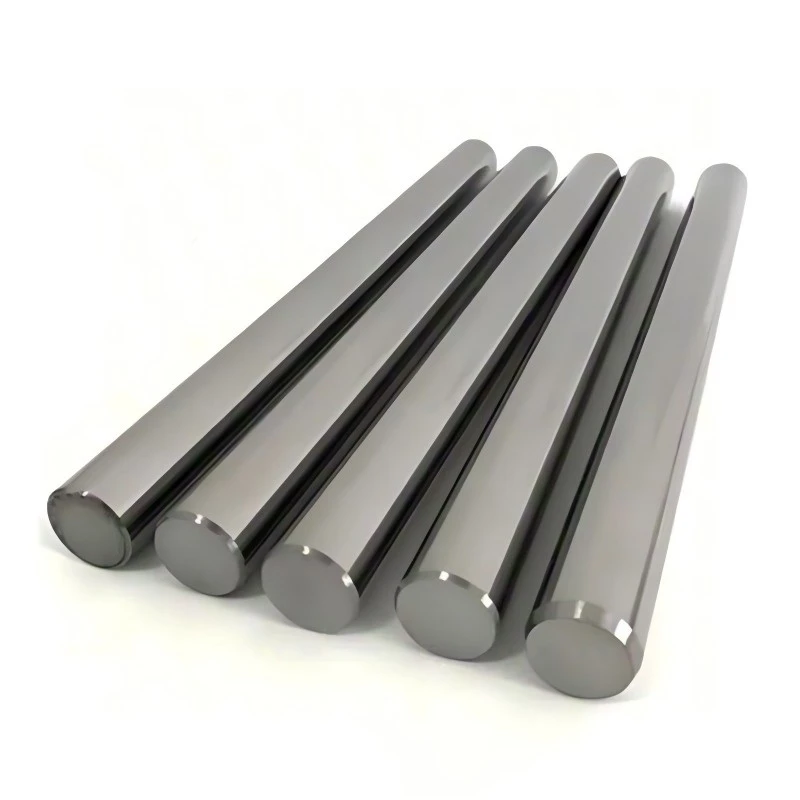
China Super Tech Co., Ltd. leverages its self-developed titanium alloy micro-channel integrated molding technology to create this cooling component for energy equipment. It is specifically designed to address the overheating issue of high-power energy equipment during long-term operation. The product achieves efficient heat conduction under a lightweight condition, with a 40% improvement in heat dissipation efficiency compared to traditional steel cooling components, and a 2-fold increase in service life. It is suitable for the heat dissipation needs of most mainstream energy equipment.

- Product Introduction
Product Features
1. High Thermal Conductivity and Corrosion Resistance
Utilizing TA1-4 grade high-purity titanium substrate, with the addition of trace amounts of rare earth elements to refine the crystal grains, the thermal conductivity uniformity is enhanced by 30% compared to ordinary titanium alloys. It can withstand long-term erosion by acidic and alkaline cooling media without causing rust or blockage of the flow channels.
2. Lightweight and High Strength
Through vacuum diffusion welding for integrated molding, no additional welding auxiliary materials are used. The overall weight is 45% lighter than the stainless steel components with the same heat dissipation power. The impact resistance meets the GB/T 30505 energy equipment component safety standards.
3. Low Flow Resistance and Anti-Clogging
The internal flow channels are laser polished, with the inner wall roughness controlled below Ra0.8. The flow resistance of the cooling medium is reduced by 25%, making it less prone to clogging during long-term operation and reducing the frequency of subsequent maintenance.
Product Application
1. Solar Inverter Cooling
For centralized photovoltaic power stations, the inverters operate at full load for long periods, and the internal IGBT modules are prone to overheating and reduced performance. This component can quickly dissipate the core heat, allowing the inverter to maintain a conversion efficiency of over 98% even at 40°C, in line with the national safety operation standards for photovoltaic equipment.
2. Wind Turbine Converter Cooling
The converters of onshore wind turbines operate in outdoor environments with significant temperature differences all year round. Traditional cooling components are prone to corrosion by salt fog. This component can resist the salt fog erosion in coastal wind farms and does not require replacement of the core heat dissipation components within 3 years, reducing the operation and maintenance costs of the wind farm.
3. Battery Liquid Cooling Plate Matching
During charging and discharging of large-scale energy storage power stations, the battery clusters accumulate a large amount of heat. Using this component can control the temperature difference of a single cluster battery within 2°C, avoiding safety hazards caused by local overheating, and meeting the fire safety requirements of the energy storage system.
Custom Services
1. Flow Channel Structure Customization
China Super Tech can customize the flow channel layout based on the heat generation points of the customer's equipment. It designs special flow channels for local high-temperature areas and encrypts the flow channels to improve the cooling efficiency by 20% compared to the general model. This is an accurate and adaptable effect that cannot be achieved by ordinary mass-produced parts.
2. Interface Size Customization
It supports direct processing based on the installation holes and pipe interface sizes of the customer's existing equipment. There is no need for the customer to modify the equipment frame. It can directly replace the old cooling components, saving renovation costs and installation time.
3. Material Ratio Customization
For special cooling medium scenarios, the element ratio of titanium alloy can be adjusted to customize exclusive versions suitable for high-concentration ethylene glycol, deionized water, and other special media to avoid corrosion and leakage problems caused by long-term use.
Specification
|
Parameter |
Specification |
|
Product Name |
Titanium Alloy Cooling Components for Energy Equipment |
|
Material Grade |
Gr1, Gr2, Gr5 (Ti-6Al-4V), Gr7, Gr12, Custom Titanium Alloys |
|
Manufacturing Process |
CNC Machining, Forging, Welding, Precision Machining |
|
Shape |
Tube, Plate, Housing, Connector, Manifold, Custom Components |
|
Outer Diameter |
3 mm – 150 mm (Custom Available) |
|
Wall Thickness |
0.5 mm – 10 mm (Custom Available) |
|
Length |
10 mm – 6000 mm (Custom Available) |
|
Tolerance |
±0.01 mm to ±0.05 mm (Depending on Design Requirements) |
|
Surface Finish |
Machined, Polished, Pickled, Sandblasted, Passivated |
|
Operating Temperature |
-196°C to +400°C |
|
Corrosion Resistance |
Excellent Resistance to Salt Spray, Moisture, and Chemical Corrosion |
|
Thermal Conductivity |
Stable Thermal Performance for Cooling Applications |
|
Pressure Resistance |
Customized According to System Requirements |
|
Density |
4.51 g/cm³ (Grade 5 Titanium Alloy) |
|
Standards |
ASTM B348, ASTM B265, ASTM B381, ASTM F136 (Optional), ISO 9001 |
|
Applications |
Energy Storage Systems, Hydrogen Energy Equipment, Liquid Cooling Systems, Power Equipment, Renewable Energy Systems |
|
Customization Service |
Material Selection, Precision Machining, Surface Treatment, Size and Structure Customization |
|
OEM / ODM Service |
Available |
FAQ
Why are titanium alloy cooling components preferred for energy equipment?
+
-
Titanium alloy cooling components are widely used in energy storage systems, hydrogen energy equipment, power generation, liquid cooling systems, and renewable energy applications because they combine excellent corrosion resistance, high strength-to-weight ratio, and long service life. Unlike conventional stainless steel or copper components, titanium alloys can withstand aggressive cooling media containing chlorides, moisture, and chemicals while maintaining dimensional stability under thermal cycling conditions. For energy equipment operating continuously for 10–20 years, material failure often results in unexpected downtime and costly maintenance. Titanium alloys form a stable oxide film that provides exceptional resistance to pitting and crevice corrosion, significantly improving system reliability. Their lightweight properties also help reduce the overall weight of cooling modules without sacrificing mechanical performance, making them particularly suitable for advanced thermal management systems.
Which titanium alloy grade is suitable for my cooling application?
+
-
Material selection depends primarily on the operating environment, coolant type, temperature, and pressure requirements. Grade 2 titanium offers excellent corrosion resistance and weldability, making it suitable for cooling tubes, heat exchangers, and water-cooling systems. Grade 5 (Ti-6Al-4V) provides higher mechanical strength and is commonly used for precision-machined cooling manifolds and structural components. Grade 7 and Grade 12 are recommended for more aggressive chemical environments or higher-temperature applications. Before manufacturing, suppliers should evaluate coolant compatibility, chloride concentration, operating temperature, pressure ratings, and installation conditions. Selecting an unsuitable material grade may result in premature corrosion, excessive costs, or performance limitations. Providing detailed working parameters during the quotation stage ensures the most cost-effective material solution for your project.
Can titanium alloy cooling components be customized for liquid cooling and renewable energy systems?
+
-
Yes. Most energy equipment requires highly customized cooling solutions rather than standard components. Titanium alloy cooling parts can be manufactured as cooling tubes, manifolds, connectors, heat exchanger components, housings, and complex precision-machined assemblies according to customer drawings or technical requirements. Customization options typically include material grades, dimensions, wall thickness, bending radius, welding processes, surface treatments, pressure resistance specifications, and leak-testing requirements. For liquid cooling systems used in energy storage, hydrogen production, or power equipment, manufacturers can also provide CNC machining, orbital welding, helium leak testing, passivation treatment, and dimensional inspection services to ensure compatibility with demanding operating conditions. Customized designs can improve thermal efficiency, reduce assembly complexity, and optimize installation space while meeting industry-specific performance requirements.
Will titanium alloy cooling components suffer from corrosion or leakage during long-term operation?
+
-
Titanium alloys are well known for their outstanding corrosion resistance and have demonstrated decades of service life in heat transfer and cooling applications. However, material selection should still consider specific operating conditions. Improper design involving galvanic corrosion, unsuitable coolant chemistry, excessive temperatures, or incompatible materials may negatively affect long-term performance. For example, aggressive chloride-containing environments operating at elevated temperatures require careful material selection and appropriate surface treatments. Professional manufacturers usually recommend corrosion analysis, pressure testing, dimensional inspection, and leak testing before shipment to minimize operational risks. When properly designed and manufactured, titanium alloy cooling components can significantly reduce maintenance frequency, leakage risks, and lifecycle costs compared with conventional materials used in harsh environments.
What information should I provide before requesting a quotation?
+
-
Providing detailed technical information can greatly improve quotation accuracy and shorten project lead times. Buyers are recommended to prepare the following specifications before inquiry: (1)Product drawings or 3D models (STEP, CAD, PDF files) (2)Material requirements (Grade 2, Grade 5, Grade 7, Grade 12, etc.) (3)Operating temperature and pressure conditions (4)Coolant type and chemical composition (5)Required dimensions and tolerances (6)Surface finish requirements (7)Welding or assembly specifications (8)Quantity requirements and delivery schedules (9)Industry standards or certification requirements (10)Testing requirements such as helium leak testing or pressure testing Early technical communication helps manufacturers optimize material selection and production processes while reducing potential design revisions during project development. This is particularly important for customized cooling components used in energy storage, hydrogen energy, and renewable energy systems, where performance reliability directly impacts equipment lifespan and operational efficiency.
Hot Tags: titanium alloy cooling components for energy equipment, China titanium alloy cooling components for energy equipment manufacturers, suppliers, factory, Superfine Tungsten Wire, Thin Tungsten Wire, tungsten corrosion resistant wire, tungsten products, tungsten wire industrial grade, Twisted Tungsten Wire for Furnace