





Titanium Parts For Chemical Industry
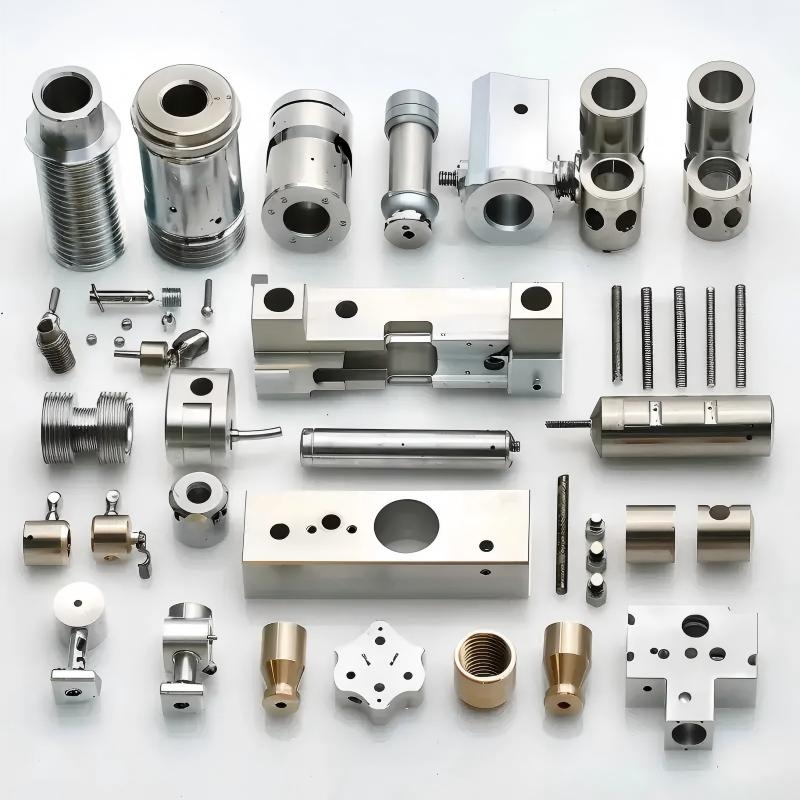
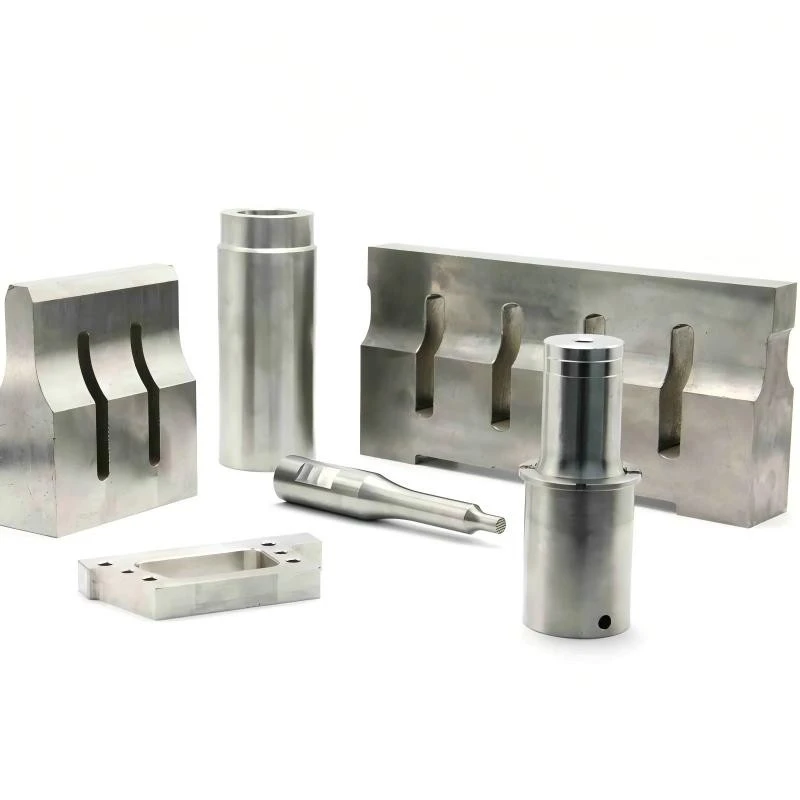
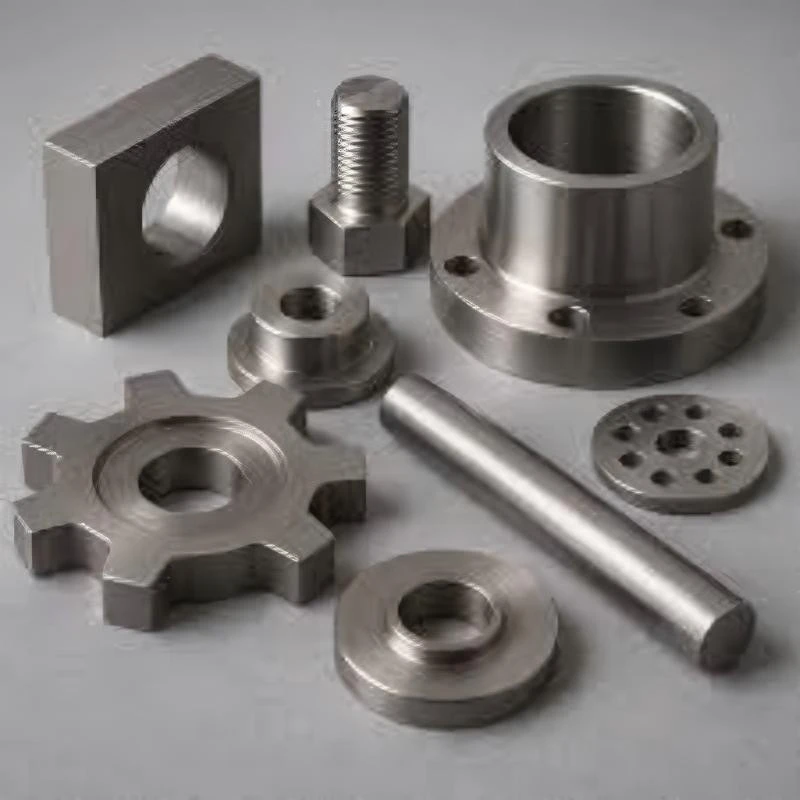
Titanium Parts for Chemical Industry are engineered components designed for highly corrosive processing environments where conventional stainless steel and nickel-based materials may suffer from rapid degradation. Manufactured from commercially pure titanium and titanium alloys, these parts provide exceptional resistance to chlorides, wet chlorine, oxidizing acids, seawater, and various chemical media. Through precision CNC machining, vacuum heat treatment, and strict material traceability control, China Super Tech Co., Ltd. supplies custom titanium components that help chemical plants extend equipment service life, reduce maintenance frequency, and improve operational reliability in demanding process conditions.

- Product Introduction
Product Introduction
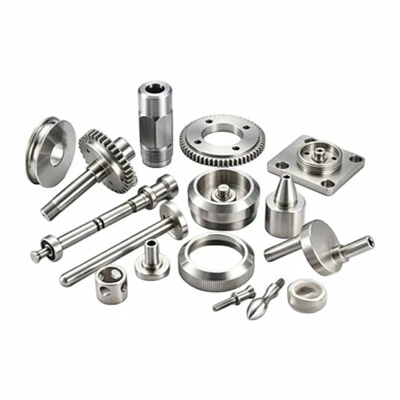
Titanium Parts for Chemical Industry are engineered components designed for highly corrosive processing environments where conventional stainless steel and nickel-based materials may suffer from rapid degradation. Manufactured from commercially pure titanium and titanium alloys, these parts provide exceptional resistance to chlorides, wet chlorine, oxidizing acids, seawater, and various chemical media. Through precision CNC machining, vacuum heat treatment, and strict material traceability control, China Super Tech Co., Ltd. supplies custom titanium components that help chemical plants extend equipment service life, reduce maintenance frequency, and improve operational reliability in demanding process conditions.
Features
1.Outstanding Corrosion Resistance in Aggressive Media
Titanium naturally forms a dense and self-healing titanium oxide film on its surface. Unlike coatings that can peel or crack, this passive layer continuously regenerates when damaged, providing long-term protection against chloride-containing solutions, seawater, hypochlorite, and many oxidizing chemicals.
2.Extended Service Life Compared with Conventional Metals
Many chemical processing failures originate from localized corrosion such as pitting, crevice corrosion, and stress corrosion cracking. Titanium's resistance to these mechanisms significantly reduces unexpected shutdowns and replacement costs, especially in continuous-production facilities.
3.High Strength-to-Weight Ratio
Titanium provides mechanical strength comparable to many alloy steels while weighing approximately 40% less. This characteristic reduces structural loads on pumps, reactors, piping systems, and supporting equipment, making installation and maintenance easier.
4.Precision Machining for Complex Chemical Equipment
China Super Tech Co., Ltd. utilizes multi-axis CNC machining centers and specialized tooling developed for titanium processing. This allows the production of complex geometries while maintaining dimensional consistency, reducing assembly deviations in critical process systems.
5.Reliable Material Integrity
Each production batch can be supplied with chemical composition reports, mechanical property certifications, and traceable raw material records. This ensures compliance with industrial quality requirements and facilitates equipment qualification procedures.

Applications
1.Heat Exchanger Components
Titanium components are widely used in shell-and-tube and plate heat exchangers because cooling water often contains chlorides that can rapidly corrode stainless steel. The superior resistance of titanium helps maintain heat transfer efficiency and reduces tube replacement frequency.
2.Chlor-Alkali Processing Equipment
Wet chlorine environments are among the most challenging corrosion conditions in the chemical industry. Titanium performs exceptionally well because its passive oxide layer remains stable in these oxidizing conditions, resulting in significantly longer equipment life.
3.Chemical Reactor Internals
Agitator parts, baffles, support structures, and internal fittings are frequently exposed to corrosive chemicals and elevated temperatures. Titanium minimizes contamination risks caused by corrosion products while maintaining structural reliability.
4.Acid and Oxidizing Chemical Production Systems
Many oxidizing acids attack conventional metals aggressively. Titanium components are often selected because they provide stable corrosion resistance and reduce production interruptions caused by material failure.
5.Marine Chemical Facilities
Chemical plants located in coastal regions frequently use seawater for cooling and processing. Titanium components resist seawater corrosion and biofouling more effectively than many traditional engineering metals, making them suitable for long-term operation.
Custom Manufacturing Services
1.Material Selection Based on Process Media
China Super Tech Co., Ltd. assists customers in selecting suitable grades such as Grade 1, Grade 2, Grade 5, Grade 7, or Grade 12 based on operating temperature, chemical concentration, pressure, and corrosion mechanisms. This helps avoid both under-specification and unnecessary material costs.
2.Complex Geometry Manufacturing Capability
Beyond standard machined parts, we manufacture customized flanges, impellers, reactor internals, pump components, valve parts, fasteners, and special assemblies. Multi-axis machining enables the production of intricate designs that many suppliers outsource.
3.Corrosion-Oriented Engineering Support
Instead of supplying only drawings-based production, our engineering team evaluates service conditions to recommend structural improvements, material upgrades, and manufacturing solutions that can enhance equipment durability.
4.Full Quality Documentation
Customers can receive material certificates, dimensional inspection reports, PMI testing reports, mechanical testing records, and customized documentation packages required for industrial projects.
5.Stable Supply Chain for Large Projects
By maintaining qualified raw material sources and dedicated titanium processing resources, China Super Tech Co., Ltd. can support both prototype development and high-volume project procurement while maintaining consistent quality standards.
Specifications
|
Parameter |
Specification |
|
Available Materials |
Grade 1, Grade 2, Grade 5 (Ti-6Al-4V), Grade 7, Grade 12 |
|
Manufacturing Process |
CNC Machining, Turning, Milling, Drilling, Grinding |
|
Part Size Range |
Custom according to drawing |
|
Maximum Machining Diameter |
Up to 1500 mm |
|
Dimensional Tolerance |
Up to ±0.01 mm |
|
Surface Finish |
Ra 0.2–3.2 μm |
|
Heat Treatment |
Vacuum Annealing Available |
|
Inspection Methods |
PMI, Dimensional Inspection, UT Testing (if required) |
|
Certification |
EN 10204 3.1, Material Traceability Available |
|
Drawing Formats |
PDF, DWG, DXF, STEP, IGES, SolidWorks |
|
Production Type |
Prototype, Small Batch, Mass Production |
|
OEM/ODM Service |
Available |
FAQ
1.Why choose titanium instead of stainless steel for chemical equipment?
The answer depends on the process medium. In chloride-rich environments, wet chlorine systems, and seawater applications, stainless steel may experience pitting and stress corrosion cracking. Titanium offers significantly better resistance, which can reduce maintenance costs and equipment downtime over the long term.
2.Which titanium grade is most commonly used in chemical processing?
Grade 2 is the most widely used because it combines excellent corrosion resistance, good weldability, and cost efficiency. However, Grade 7 and Grade 12 may be recommended for more aggressive chemical conditions.
3.Can you manufacture parts according to our drawings?
Yes. China Super Tech Co., Ltd. manufactures fully customized components based on customer drawings, samples, or technical specifications. Reverse engineering support is also available for replacement parts when original drawings are unavailable.
4.How do you ensure the corrosion resistance of the finished parts?
Corrosion performance begins with raw material quality. We source certified titanium materials, control machining parameters to avoid contamination, and can provide vacuum heat treatment and surface finishing processes to maintain material integrity.
5.Can titanium parts be welded into existing chemical systems?
Yes. Titanium is highly weldable when proper shielding and welding procedures are used. We can supply machined parts, welded assemblies, or semi-finished components depending on project requirements.
6.What documentation can be provided with the order?
Available documentation includes material certificates, chemical composition reports, mechanical property reports, dimensional inspection reports, PMI testing records, and other project-specific quality documents upon request.
7.What is the typical service life of titanium components?
Service life depends on operating conditions, but in many corrosive chemical environments titanium components can last several times longer than stainless steel alternatives, resulting in lower lifecycle ownership costs.
Hot Tags: titanium parts for chemical industry, China titanium parts for chemical industry manufacturers, suppliers, factory, titanium 5 axis cnc parts, titanium anodized machined parts, titanium cnc machined parts, titanium heat resistant parts, titanium high tolerance machined components, titanium milled parts


