





Titanium Semiconductor Components
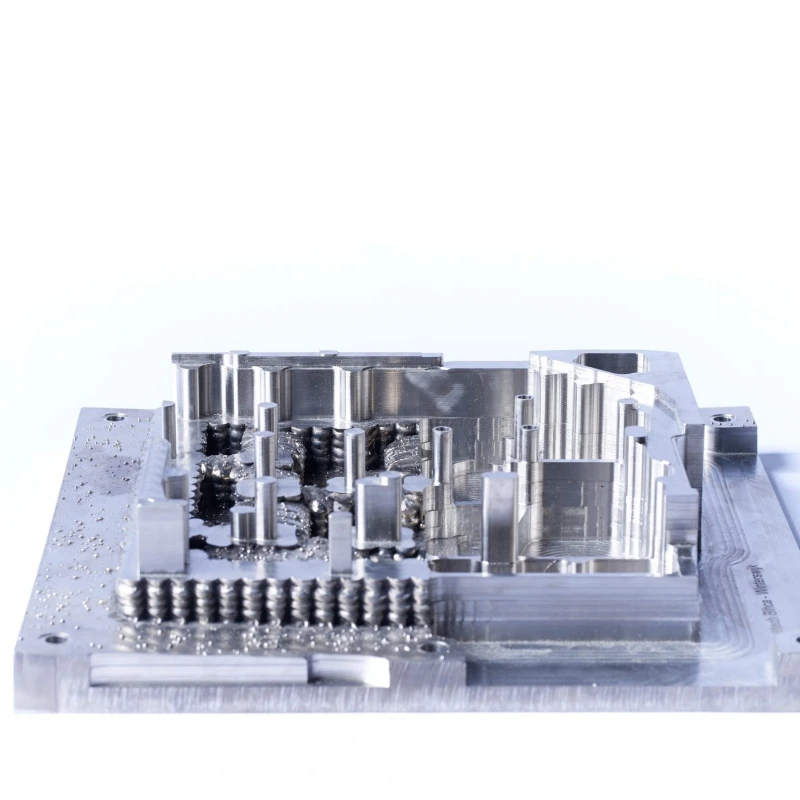
The semiconductor-grade titanium alloy carrying tray launched by China Super Tech Co., Ltd. is a nearly-net-shaped core component specifically designed for high-end lithography equipment. Its weight is approximately 80 kilograms. It is made of a titanium alloy substrate through a single-piece molding process and can stably carry wafer modules in a high-cleanliness and high-vibration semiconductor production environment. This significantly reduces material waste and precision deviations caused by traditional processing methods.

- Product Introduction
Product features
1. Low material loss
By using the arc plasma deposition process and using titanium wire as the raw material for layer-by-layer fusion and molding, the material utilization rate is 70% higher than that of traditional milling, reducing unnecessary consumption of precious titanium materials.
2. High structural rigidity
After forming, the internal structure is dense and uniform, without the common porosity defects in traditional casting. It is less likely to deform under the high-speed movement conditions of the equipment, and the precision fluctuation is less than 0.02mm during long-term use.
3. Low residual stress
After forming, an exclusive temperature-controlled aging treatment is provided for the components. The residual stress inside the components is much lower than the industry standard level. No unexpected deformation will occur during subsequent precision processing.
4. High cleanliness and compatibility
The surface of the titanium alloy can be treated with passivation, which is not prone to the precipitation of metal particles and fully meets the high cleanliness production requirements of the semiconductor workshop.
Product Application
1. Wafer carrier for lithography equipment
As the wafer carrier tray in the lithography system, it securely holds the wafer module during the high-speed movement and precise alignment process, preventing the wafer from shifting during the exposure process and ensuring the line etching accuracy of each wafer.
2. Vacuum coating carrier
Placed inside the semiconductor vacuum coating machine, it batches places the chips to be coated. The titanium material has an extremely low gas emission rate in a vacuum environment, which does not disrupt the high vacuum state inside the coating chamber, ensuring the uniformity and density of the coating layer.
3. Chip testing fixture base
As the base component of the chip sorting and testing equipment, the high stability brought by its own weight can counteract the slight vibration caused by the high-speed sorting of the equipment, making the alignment of the probe and the chip pins more accurate and reducing the error rate of testing.
Customized service
China Super Tech Co., Ltd. can provide a full-process customized service from demand matching to product delivery. Relying on the mature titanium alloy deposition technology, it can quickly produce near-net-shape billets without the need for repeated mold production. Subsequently, only a small amount of precision processing is required to achieve the required dimensional accuracy as per the customer's specifications.
We can adjust the shape and internal reinforcement structure of the components according to the actual installation space and load-bearing requirements of the customer's equipment, and can also provide surface treatment solutions suitable for different cleanliness levels as per the customer's needs. We will follow up on the processing progress throughout the process to ensure that the customized components can directly fit into the existing supply chain system of the customer's semiconductor equipment without the need for additional modification of the equipment interface.
Specification
|
Parameter |
Specification |
|
Product Name |
Titanium Semiconductor Components |
|
Material |
Pure Titanium (Grade 1, Grade 2), Titanium Alloy (Grade 5 / Ti-6Al-4V) |
|
Standard |
ASTM B348, ASTM B381, ASTM F67, ASTM F136 (Custom Available) |
|
Manufacturing Process |
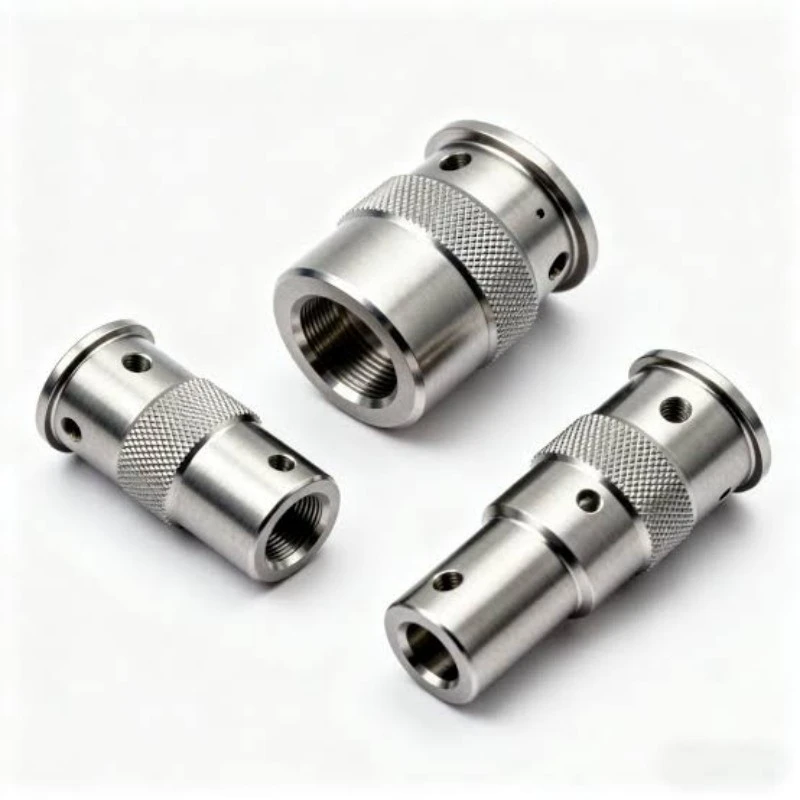
CNC Machining, Precision Turning, Milling, Grinding |
|
Available Shapes |
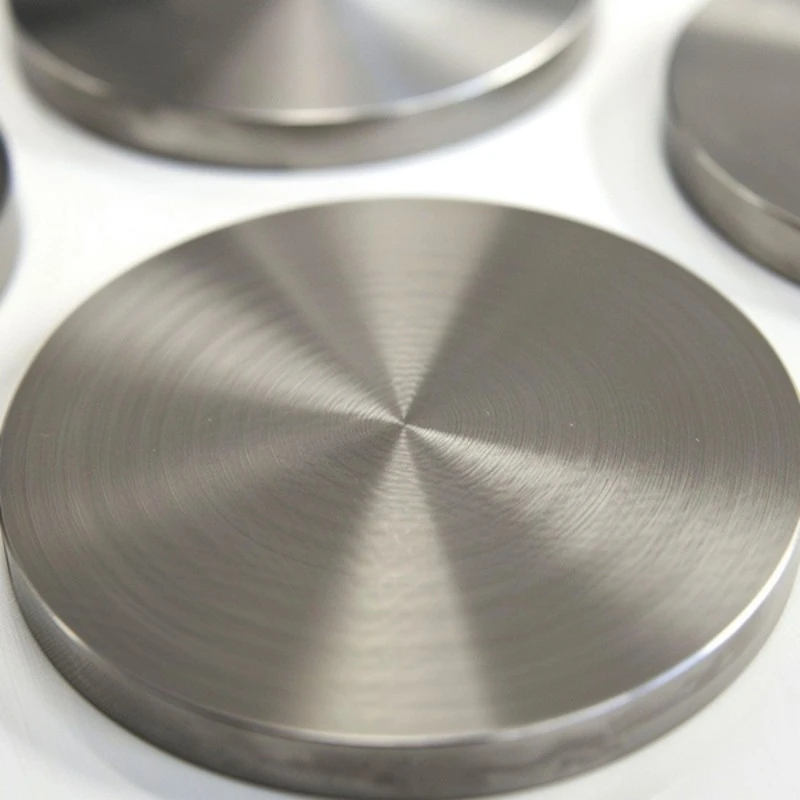
Rings, Chambers, Targets, Flanges, Plates, Fixtures, Custom Parts |
|
Diameter |
5 mm – 1000 mm |
|
Length |
Up to 3000 mm |
|
Thickness |
0.5 mm – 200 mm |
|
Tolerance |
±0.005 mm to ±0.02 mm (Depending on Design) |
|
Surface Finish |
Machined, Polished, Mirror Finish, Sandblasted, Pickled |
|
Surface Roughness |
Ra 0.2–1.6 μm |
|
Purity |
Up to 99.9% (Commercially Pure Titanium) |
|
Density |
4.51 g/cm³ |
|
Operating Temperature |
Up to 600°C |
|
Corrosion Resistance |
Excellent Resistance to Acids, Alkalis, and Ultra-Pure Chemicals |
|
Certification |
ISO 9001, Material Test Certificate (EN 10204 3.1 Available) |
|
OEM / ODM |
Available |
FAQ
Why is titanium widely used in semiconductor equipment instead of stainless steel or aluminum?
+
-
Titanium offers an excellent combination of corrosion resistance, low outgassing, high strength-to-weight ratio, and compatibility with ultra-high vacuum (UHV) environments. These properties make it ideal for semiconductor manufacturing equipment exposed to aggressive chemicals, plasma processing, and high-purity production conditions. Compared with stainless steel or aluminum, titanium is less likely to contaminate wafers with metal ions or particles, helping improve production yield and process stability. It is commonly used for vacuum chambers, process fixtures, gas distribution components, wafer handling parts, and plasma equipment.
How do you minimize particle contamination during manufacturing?
+
-
Particle contamination is one of the biggest concerns for semiconductor manufacturers because even microscopic particles can reduce wafer yield. To minimize contamination, titanium semiconductor components should undergo precision CNC machining followed by appropriate surface finishing such as polishing, passivation, or electropolishing when required. Components are typically cleaned using semiconductor-grade cleaning processes and packaged in clean environments to prevent contamination during transportation. Customers can also request specific surface roughness (Ra), cleanliness levels, and customized packaging according to their equipment requirements.
Can you manufacture custom titanium semiconductor components according to drawings?
+
-
Yes. Most semiconductor titanium components are custom-made because every equipment manufacturer has different design specifications. Customers usually provide: 2D drawings or 3D CAD files (STEP, IGES, PDF) Material grade requirements Surface finish specifications Critical tolerances Cleanliness requirements Inspection requirements Based on these specifications, precision CNC machining, dimensional inspection, material traceability, and customized packaging can all be provided before shipment.
What quality documents can be provided with titanium semiconductor components?
+
-
Semiconductor equipment manufacturers often require complete quality documentation to ensure product consistency and traceability. Typical documents include: Material Test Certificate (EN 10204 3.1) Chemical Composition Report Mechanical Property Report Dimensional Inspection Report CMM Inspection Report Surface Roughness Report First Article Inspection (FAI) Certificate of Conformance (COC) Additional inspection reports can also be supplied according to customer specifications.
How can titanium components maintain long service life in harsh semiconductor processing environments?
+
-
Semiconductor processing often involves high vacuum, plasma exposure, corrosive process gases, and ultra-pure chemicals. Poor material selection or inadequate surface treatment may result in corrosion, contamination, excessive outgassing, or shortened equipment life. High-quality titanium components are manufactured using appropriate titanium grades, precision machining, controlled surface finishing, and strict quality inspection. Proper material selection together with clean manufacturing processes helps improve corrosion resistance, reduce outgassing, minimize particle generation, and extend component service life under demanding semiconductor operating conditions.
Hot Tags: titanium semiconductor components, China titanium semiconductor components manufacturers, suppliers, factory, titanium 5 axis cnc parts, titanium anodized machined parts, titanium heat resistant parts, titanium high precision cnc components, titanium machined parts, titanium milled parts


